 11
11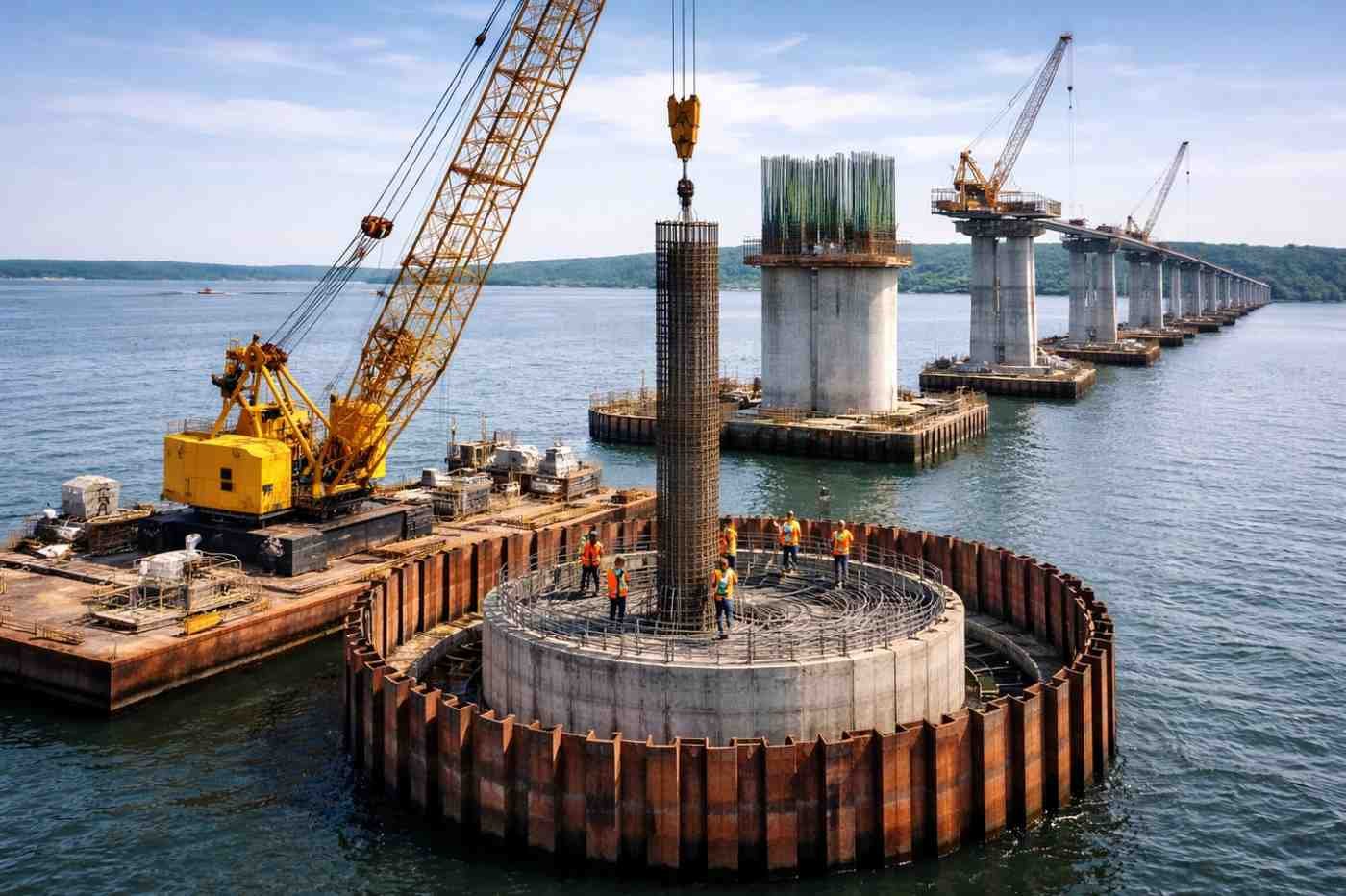
Building a bridge over water isn’t just about putting concrete and steel across a river or bay — it’s a blend of engineering, environmental planning, and precision execution. This post takes you step-by-step through the actual process of building a bridge over water, whether you’re wondering how crews drive enormous bridge piers into a riverbed or what techniques engineers employ when the water is deep and the currents are strong.
Here is a hands-on look at the construction of these contemporary wonders, from the initial site survey to the last safety inspection.
Constructing a bridge over water is inherently more complex than building one on land. The challenge isn’t just spanning a gap — it’s anchoring into an unstable, wet environment, dealing with currents, tides, environmental regulations, and safety risks that you simply don’t encounter on dry terrain.
Before a single beam is lifted, engineers must answer critical questions:
Answers to these questions inform everything that happens next.
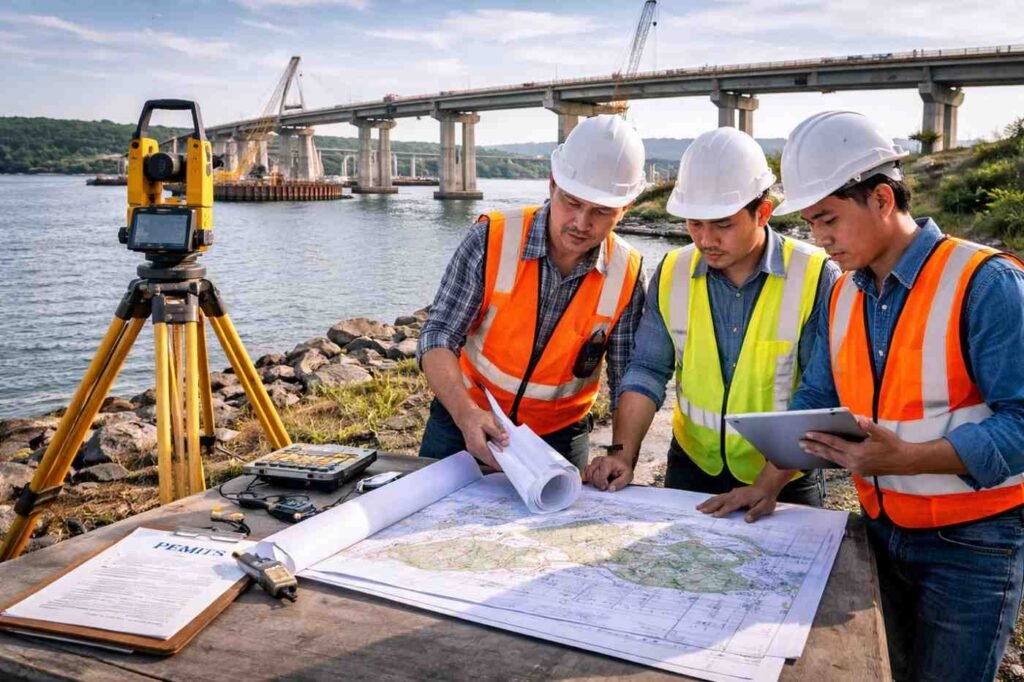
Everything starts with a comprehensive site survey. Engineers gather data on:
They use sonar mapping, geotechnical drilling, and hydrological studies to create a reliable picture of what lies below the surface. This data is crucial — it determines the type of foundation needed and influences the choice of bridge design.
Once surveys are complete, designers create detailed bridge plans and blueprints. These include structural calculations, material specifications, load capacity analyses, and construction schedules. Permits are secured from relevant authorities, often involving environmental impact assessments and regulatory reviews.
Over water, the foundation is king. If it’s not solid, the entire structure could be compromised.
Here are the three most common foundation methods used in water bridge construction:
Battered piles are angled foundation poles driven deep into the underwater soil or rock. Heavy pile drivers mounted on barges hammer these steel or reinforced concrete piles deep below the waterbed. The angled arrangement provides strength and stability, resisting the lateral forces from currents and waves.
Once piles are secure, pile caps — large concrete slabs — are placed on top, creating a platform to support the bridge’s superstructure.
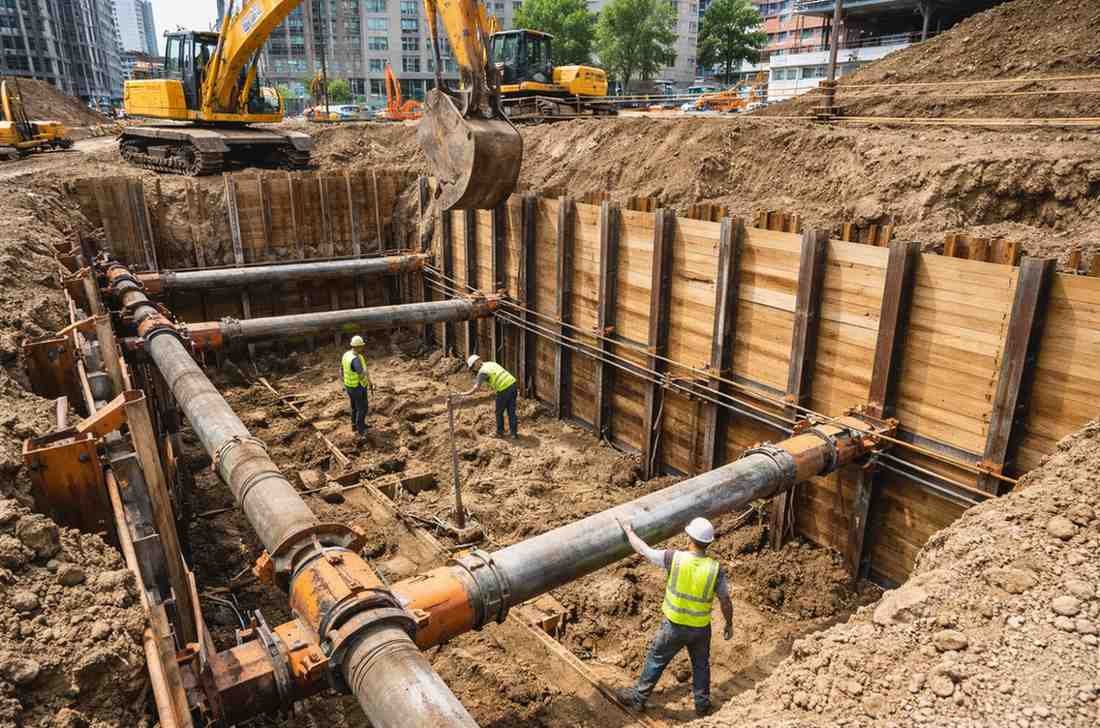
A cofferdam is a temporary watertight enclosure built around a future pier location. Steel sheet piles are driven into the waterbed to enclose an area, and then water is pumped out, creating a dry work zone. Workers can then construct footings and foundation sections as though they were on solid ground.
Cofferdams are ideal for shallow to mid‑depth water, but they require careful design and execution to avoid collapse or leaks.
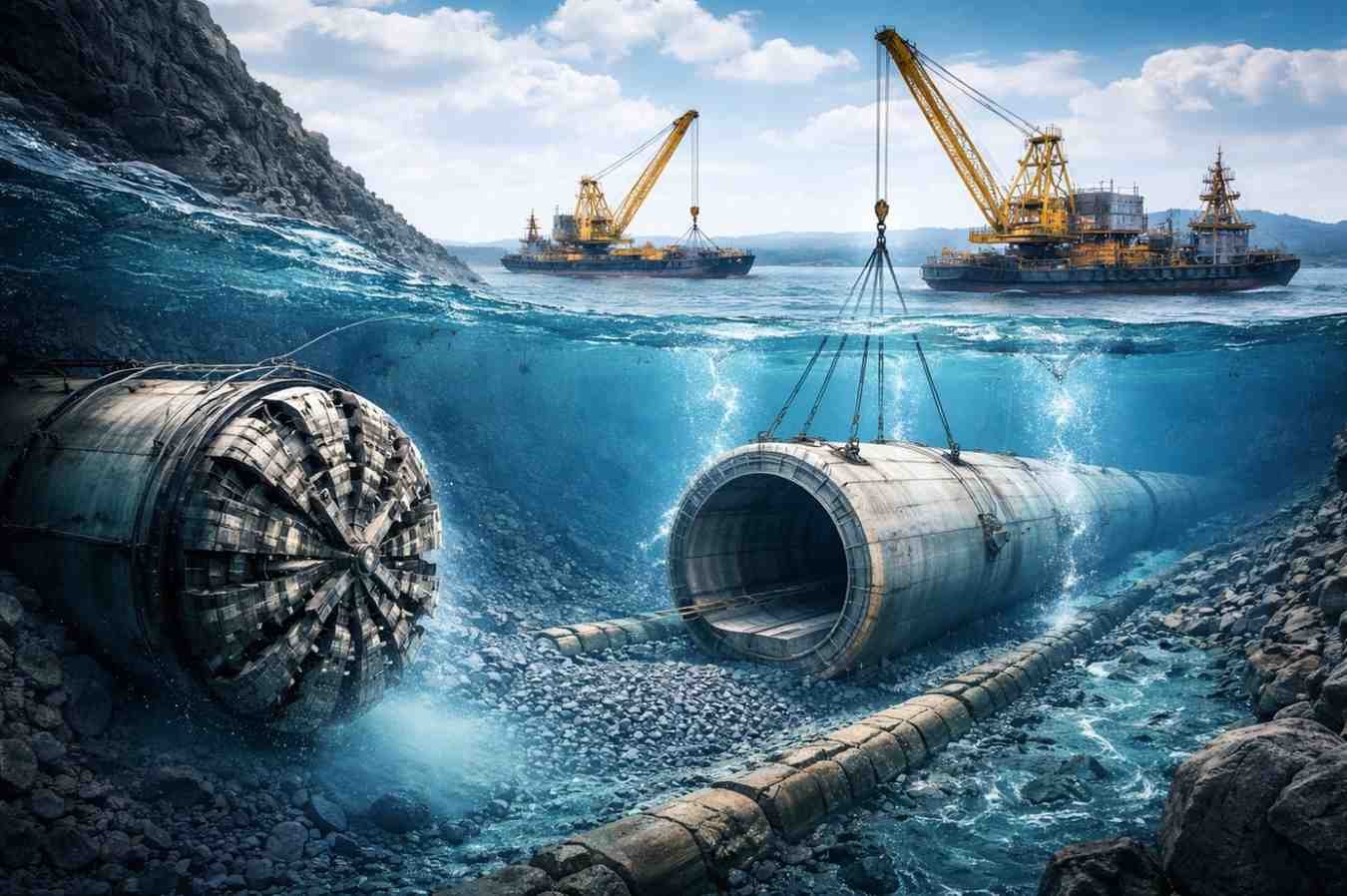
Caissons are large, hollow concrete or steel boxes that are floated out to the build site and sunk into place. As they descend, they may be filled with concrete to form robust underwater columns. Pneumatic caissons — pressurized to keep water out — allow workers to excavate the riverbed from within the structure.
Caissons are favored in deep water and for bridge designs requiring deep and secure foundations.
Once the foundation elements are set — be it piles, caissons, or within a cofferdam — crews build the piers and columns that rise above the water. These vertical supports carry the bridge’s weight and transmit loads down into the foundation.
Concrete forms are set, steel reinforcement is installed, and vertical columns are poured in place. This stage requires intense coordination between on‑water machinery, divers, and land crews.
Environmental protections such as silt curtains, erosion controls, and spill containment systems are often implemented to protect the aquatic environment during construction.
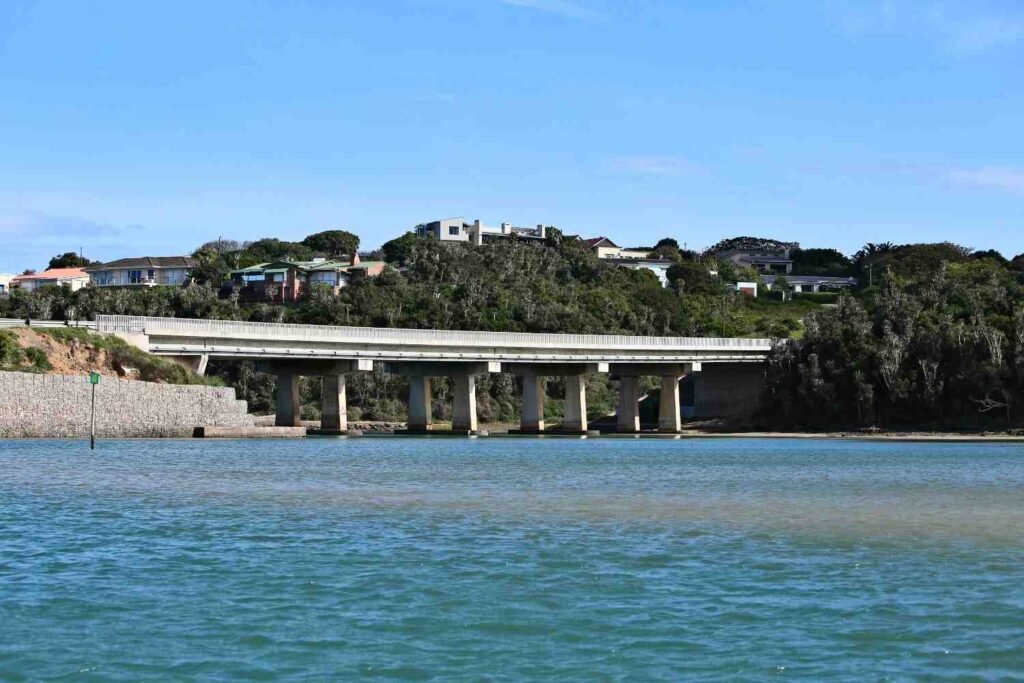
With strong piers in place, it’s time to build the superstructure — the part of the bridge you actually see and travel on.
This includes:
In some large projects, segments of the superstructure are prefabricated off‑site and floated into position on barges, then lifted into place with heavy cranes — a breathtaking engineering feat often seen on major river and bay bridges.
Once the structure is physically in place, crews install:
Engineers also apply waterproofing and anti‑corrosion treatments, especially in marine environments where saltwater and humidity accelerate wear. Protective rock riprap may be placed around underwater piers to prevent erosion.
Safety and quality assurance checks begin before opening the bridge to traffic, with inspections at multiple stages to confirm structural integrity.
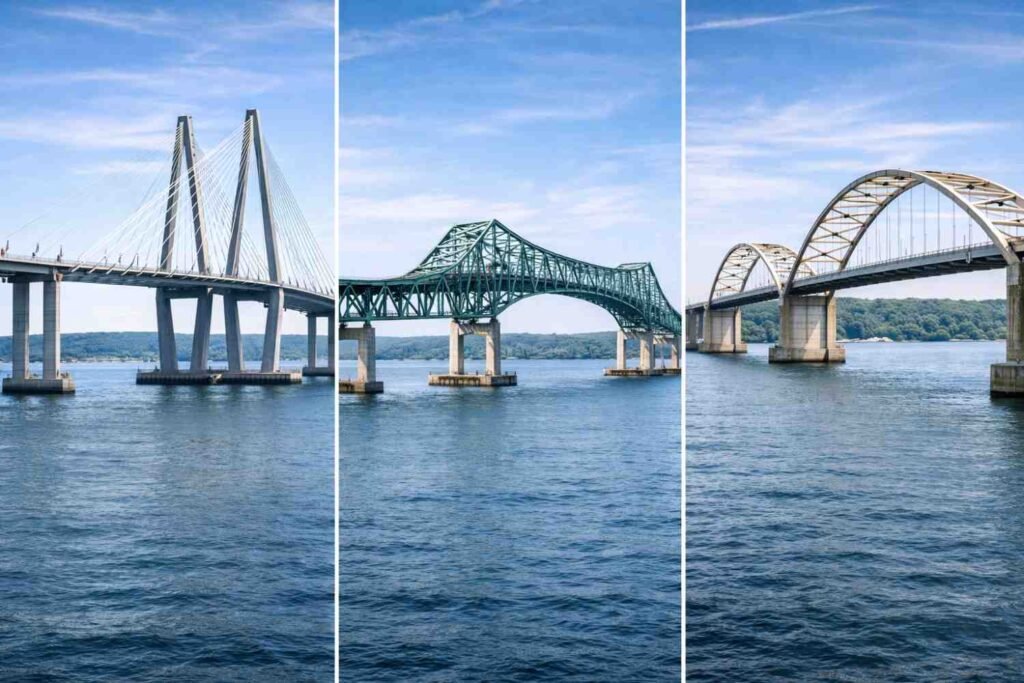
Different crossing distances and conditions dictate the bridge design. Here are popular types used in over‑water projects:
Each design offers unique benefits and challenges based on span length, load, and environmental conditions.
It depends on size and complexity — from a few months for small crossings to many years for major spans.
Only in rare situations; most underwater work happens within cofferdams or using caisson pressurization.
Typically steel and reinforced concrete because of their strength and durability against water stress.
Building a bridge over water is a testament to human ingenuity — spanning rivers, bays, and seas in ways once thought impossible. Behind every crossing lies meticulous planning, innovative engineering methods like battered piles, cofferdams, caissons, and a commitment to safety, environmental stewardship, and structural longevity.
Now, when you drive or walk across a bridge over water, you’ll understand not just what lies beneath — but how it got there.