
 11
11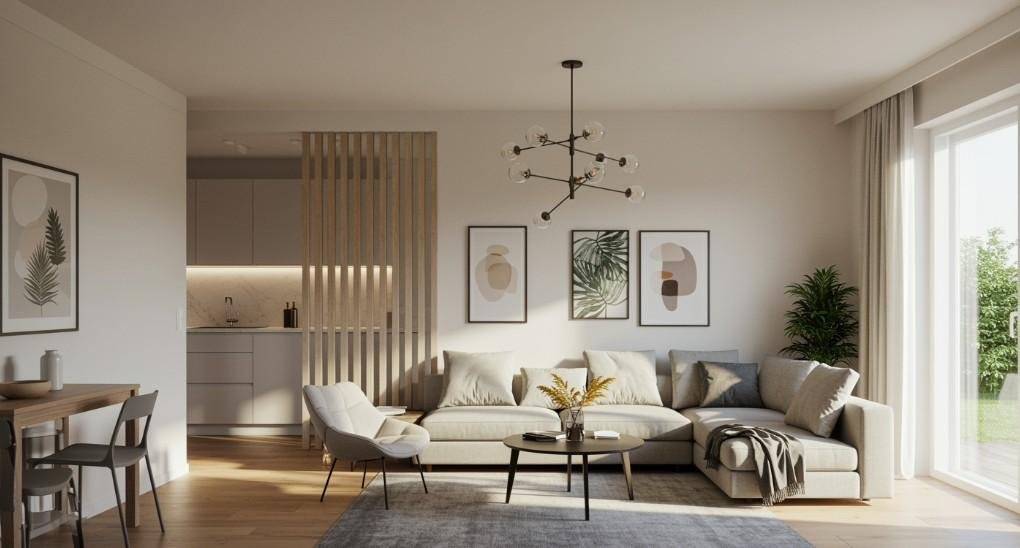
I still remember standing in my kitchen one evening, laptop open on the dining table, dinner simmering behind me, and the TV playing in the living area all at once. That moment perfectly summed up the pros and cons of open-concept floor plans for me. I loved the openness and energy of the space, but I also felt overwhelmed by how everything blended together.
If you are considering an open layout or already living in one, read to know the real advantages, the real drawbacks, and how they actually play out in daily life.
Open-concept floor plans merge the kitchen, dining, and living areas into one continuous space. This design has become a defining feature of modern homes, especially in the U.S., where social living and flexible layouts are highly valued. The openness creates a feeling of flow and togetherness that traditional layouts often lack.
At the same time, removing walls changes how sound, light, smells, and daily routines move through the home. Understanding the pros and cons of open-concept floor plans today means looking beyond aesthetics and focusing on how the space supports your lifestyle, good work habits, and family dynamics.
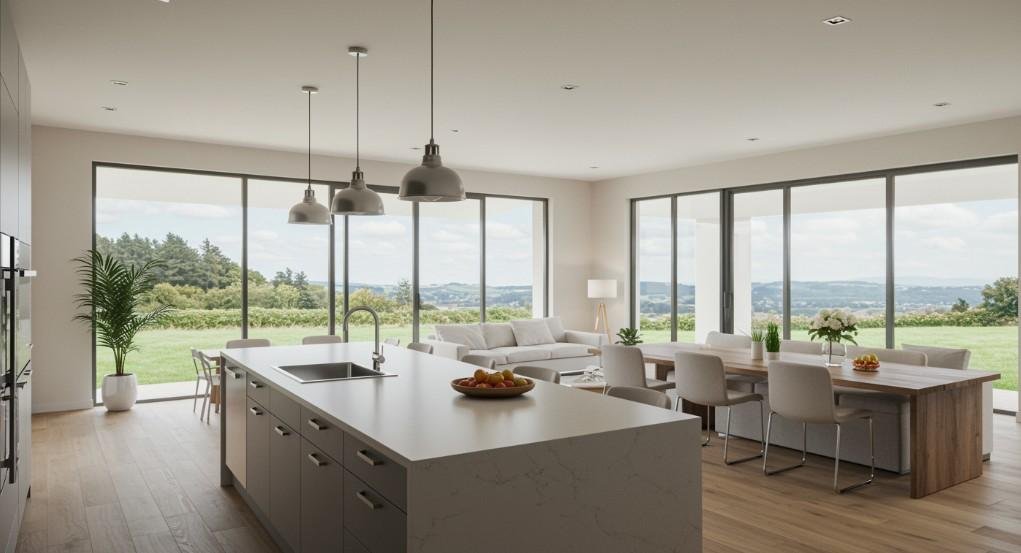
One of the biggest benefits of open layouts is how spacious they feel. Removing interior walls creates long sightlines that make even smaller homes appear larger and less confined. I noticed this immediately after moving in. The space felt breathable, open, and visually calm.
Natural light is another major advantage. Without walls blocking windows, sunlight travels freely across the main living area. This not only brightens the home but also reduces the need for artificial lighting during the day, creating a more inviting and energizing atmosphere.
Open layouts shine when it comes to social interaction. Cooking no longer isolates you from family or guests. Conversations flow easily between spaces, which makes everyday life feel more connected. This setup works especially well for families who want to keep an eye on kids while preparing meals.
Traffic flow is also smoother in open homes. Wide, unobstructed areas reduce bottlenecks caused by narrow hallways or doorways. When hosting friends or moving through the home during busy mornings, the space feels more intuitive and comfortable to navigate.
Another underrated benefit is flexibility. Open spaces allow you to rearrange furniture as your needs change. One year the area might focus on entertaining, while the next it may include a work-from-home setup or play zone.
This adaptability makes open layouts appealing for long-term living. Instead of renovating, you can redefine zones with furniture, rugs, and lighting. That freedom is a major reason many homeowners continue to choose open-concept designs.
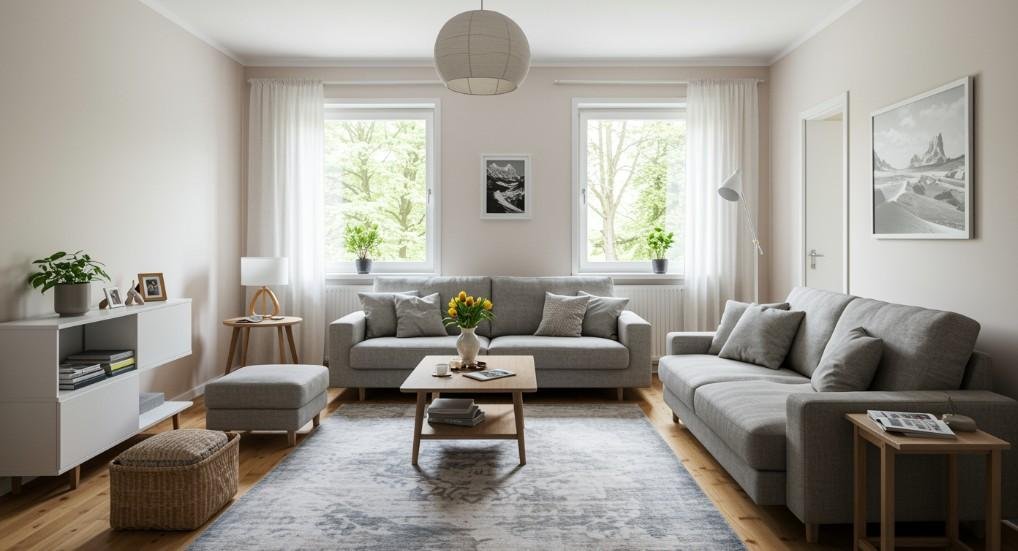
The most noticeable downside is noise. Without walls, sound travels easily from one end of the home to the other. I quickly learned that phone calls, meetings, and quiet moments require planning or headphones.
Privacy can also be challenging. Open spaces offer fewer places to retreat when you need solitude. While the layout encourages togetherness, it may feel overwhelming for people who need quiet zones to recharge or focus.
In an open layout, messes are always visible. Dirty dishes, cluttered counters, and unfinished projects become part of the living room view. This can make the entire home feel untidy even if only one area is messy.
Cooking odors are another concern. Without walls to contain them, smells spread quickly and linger in furniture and fabrics. While ventilation helps, it is something many homeowners do not consider until after moving in.
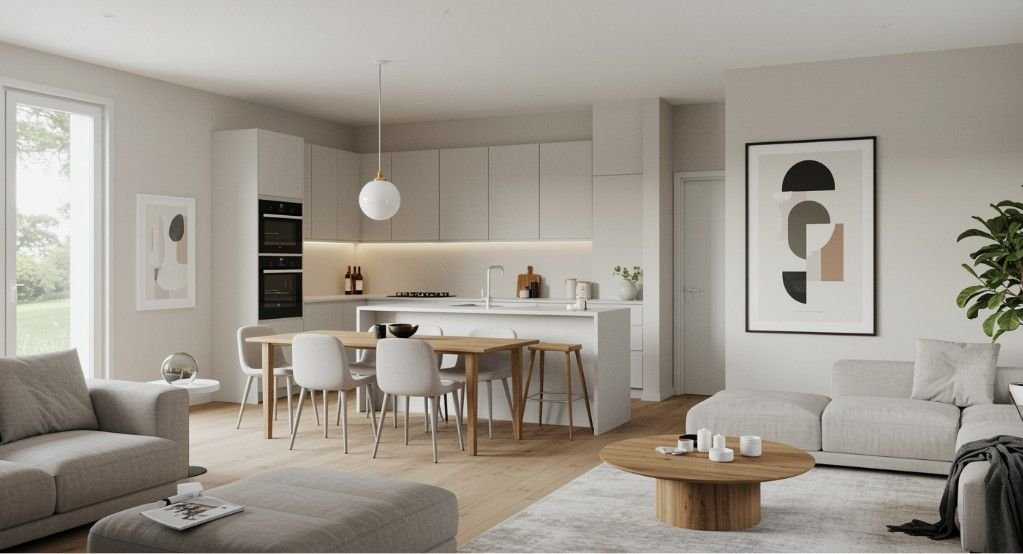
Heating and cooling one large open area can be more expensive than managing smaller, enclosed rooms. Homes with high ceilings amplify this issue, especially during extreme weather. Energy efficiency often requires upgraded systems and careful temperature management.
There are also structural considerations. Creating an open layout may require steel beams or heavy wood supports to replace load-bearing walls. These structural changes can increase construction or renovation costs significantly.
Start by defining zones within the open space. Use furniture placement, rugs, and lighting to visually separate areas while keeping the layout open. This helps the space feel organized rather than chaotic.
Next, focus on sound control. Soft furnishings, curtains, and upholstered furniture absorb noise and reduce echo. Small changes can make a noticeable difference in how peaceful the space feels.
Finally, create routines that support the layout. Quick daily cleanups, designated storage, and clear boundaries around work and relaxation help prevent frustration from building over time.
Picture a normal weekday, not a weekend. Think about work calls, schoolwork, meals, and downtime happening simultaneously. If that feels manageable, an open layout may suit you well.
Consider how much privacy you need and how comfortable you are maintaining visual order. The best homes support real habits, not ideal ones. Being honest with yourself now can save regret later.
Yes, open layouts remain popular, but many homeowners now prefer semi-open designs. Sliding doors, partial walls, and flexible dividers allow spaces to open or close as needed. This approach keeps the benefits of openness while addressing privacy and noise concerns common in modern living.
They can, depending on the market. In many U.S. areas, open layouts still attract buyers, especially families and first-time homeowners. However, homes with flexible layouts often appeal to a broader audience, which can positively influence resale value.
They can be very family-friendly. Open layouts make supervision easier and encourage shared activities. However, noise and clutter can escalate quickly. Creating quiet zones and maintaining organized storage helps balance family life in an open space.
Yes, privacy can be added without major renovations. Room dividers, bookcases, curtains, and sliding panels help create separation. Even strategic furniture placement can redefine spaces and improve comfort.
Living with the pros and cons of open-concept floor plans taught me that no layout is perfect, only personal. Open spaces can feel bright, social, and energizing, but they demand intention, organization, and communication. My biggest tip is to choose a layout that supports how you live today, not just what will be good for future real estate ownership. When your home works with your habits, it truly feels like home.