 11
11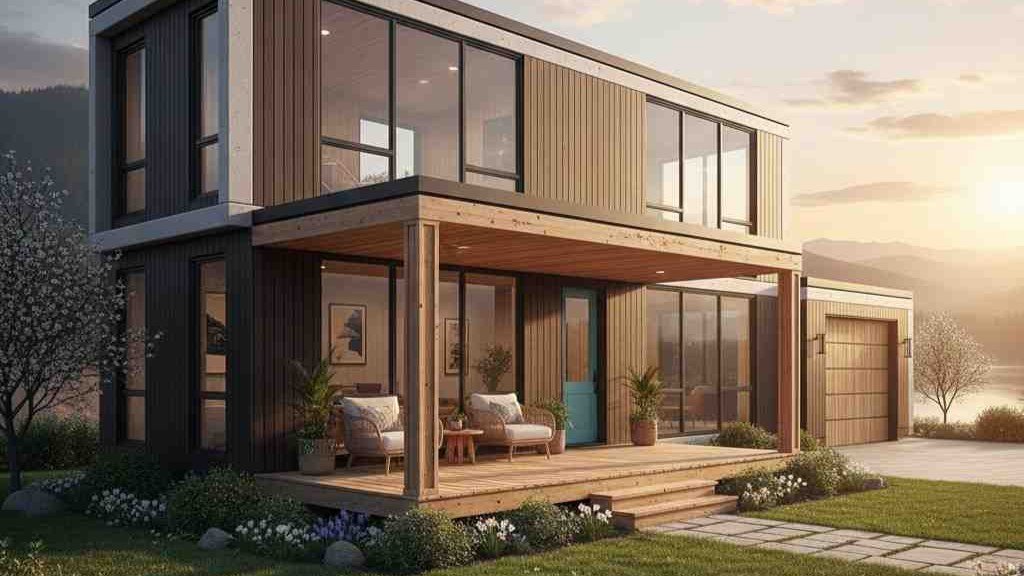
When I first came across modular homes, I wasn’t sure what to think. My impression was that they were just temporary, cookie-cutter options for people on a budget. But once I started digging deeper, I realized modular homes offer so many benefits—and they’re not just for the ultra-frugal or those looking for something temporary.
In fact, they’re becoming a smart choice for homeowners who want something faster, more cost-effective, and better for the environment. If you’ve ever wondered whether modular homes are a viable option for you, keep reading—I’ve got the lowdown on all their benefits and why they might just be the perfect fit for your next home.
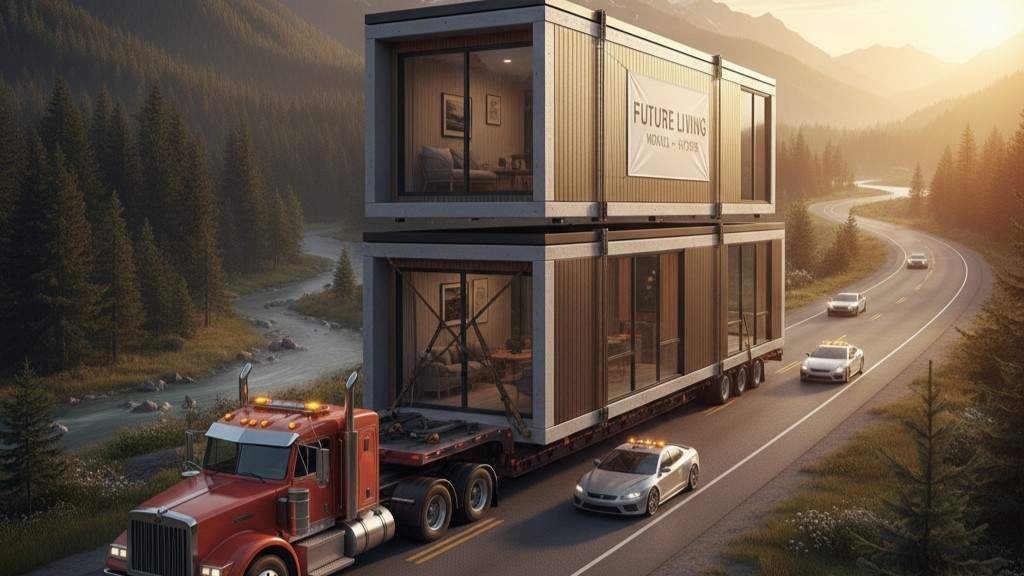
Modular homes are factory-built structures that are assembled on-site. They’re not the same as mobile homes, though; modular homes are designed to meet the same building codes as traditional stick-built homes, with a major advantage: they’re constructed in sections (modules) that are then transported and pieced together at the final location. Modular homes have been gaining popularity for their cost-effectiveness, speed of construction, and superior level improved quality control.
Listed below are the best known benefits of modular homes:
One of the biggest draws of modular homes is cost-effectiveness. Since they’re built in a factory setting, builders can buy materials in bulk, significantly cutting down on material costs. Additionally, modular homes require fewer workers to assemble since much of the building process happens off-site.
This means that homeowners can save up to 20-30% compared to the cost of a traditional, stick-built home. For many buyers, this is a game-changer, especially when considering that modular homes offer the same high-quality construction and design flexibility as their more expensive counterparts.
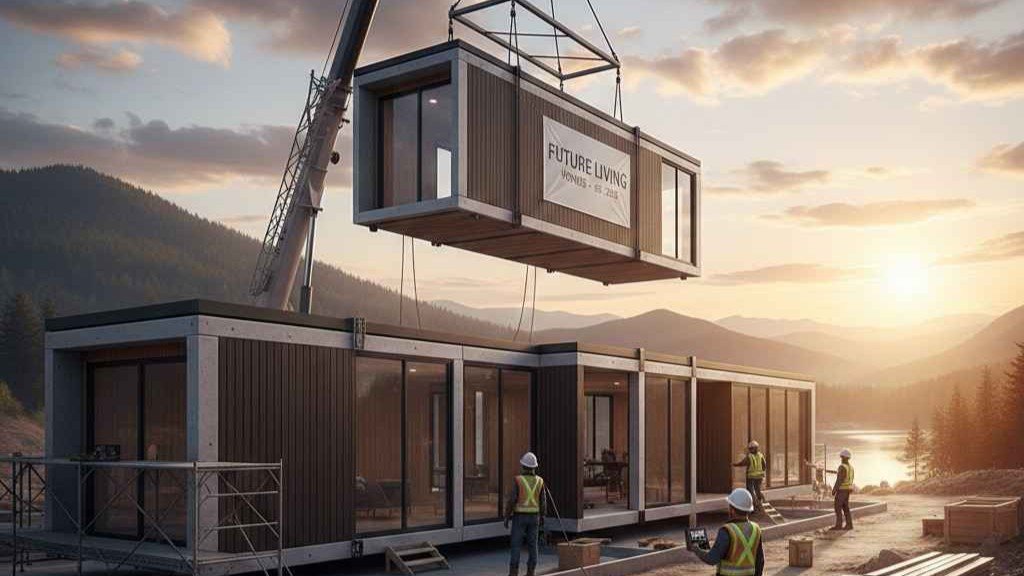
Modular homes are famously quick to build. Traditional home construction can be delayed by a variety of factors: weather, labor shortages, or shipping issues. With modular homes, however, these issues are less likely to hold up progress.
Because modular homes are built in a controlled factory environment, construction time is generally shortened, and homes can be completed up to 50% faster than traditional homes. This is great news for buyers looking to move into their new homes sooner rather than later. Imagine cutting down your wait time from over a year to just a few months!
You might be thinking, “If these homes are being built off-site, do they really meet the same quality standards as a traditional home?” The answer is yes! Modular homes go through rigorous quality control in the factory. Since they’re constructed in a controlled environment, manufacturers can ensure each module meets strict understanding of building codes and quality standards before they ever leave the factory.
This attention to detail often leads to fewer defects and a higher-quality final product than what you might get with traditional homebuilding, where inspections and quality control can be inconsistent.
If you’re interested in building your own modular home, here’s a breakdown of how it works. The process is simple, and it starts with choosing your design.
Modular homes come in a wide variety of styles and sizes. Whether you prefer a small, cozy cottage or a sprawling, multi-level home, there are countless design options to choose from. Some companies offer pre-designed models, or you can work with the manufacturer to create a custom layout tailored to your needs.
Once you’ve chosen your design, you’ll need to purchase a plot of land where your modular home will be assembled. After that, securing financing is just like applying for mortgage for a traditional home. Some lenders specialize in modular homes, so it’s a good idea to shop around for the best terms.
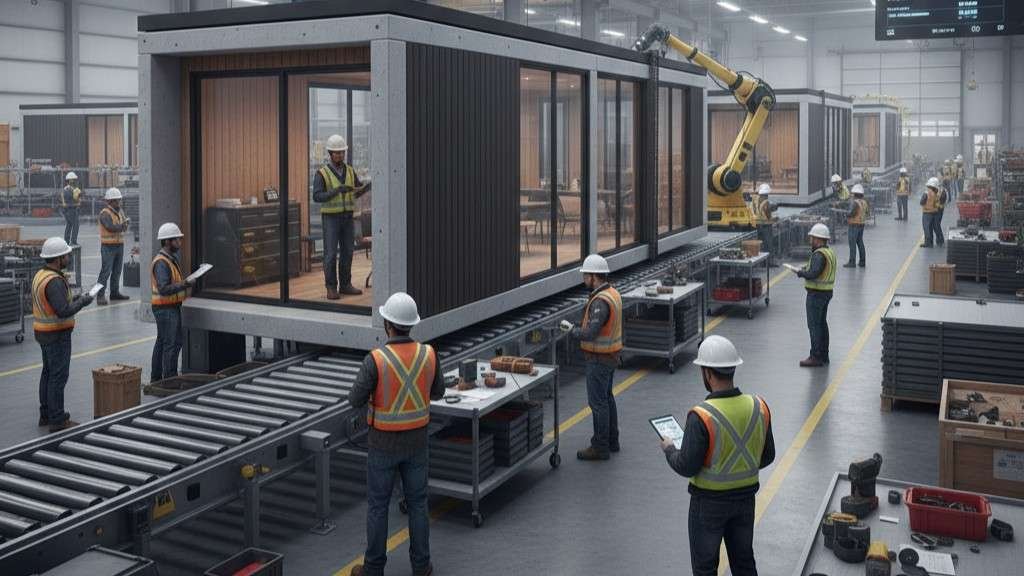
While your foundation is being prepared on-site, the factory begins constructing the modules for your home. This part of the process usually takes a few months, depending on the complexity of your design. The factory workers will complete the majority of the construction, ensuring all systems are in place (plumbing, electrical, etc.).
Once the modules are ready, they’ll be transported to your land and assembled on-site. The foundation will already be in place, and the modules are simply pieced together, often taking just a few weeks to complete the structure.
The final step involves installing utilities, adding finishing touches like flooring and cabinetry, and conducting any final inspections. Once this is complete, you’re ready to move into your brand-new modular home!
Modular homes are built to the same building codes as traditional homes, while manufactured homes (often called mobile homes) are built to a different set of standards. Manufactured homes also tend to be less customizable, and they’re often placed on a temporary foundation. Modular homes are permanently affixed to a foundation and are highly customizable.
Yes, modular homes are built with the same materials and meet the same standards as traditional homes. In fact, the factory construction process means that modular homes are often more durable than site-built homes because they are engineered to withstand the stresses of transportation and assembly. They are also built to resist the same weather conditions that traditional homes face.
With proper maintenance, modular homes can last for decades—just as long as traditional stick-built homes. Many modular homes are designed to be energy-efficient and resilient, which can extend their lifespan and lower maintenance costs over time.
Absolutely! Modular homes are highly customizable. You can choose from a variety of floor plans, finishes, and features to create a home that meets your exact needs. Some manufacturers even allow for complete customization, so you can design a home that reflects your personal style.
If you’re looking for a home that’s cost-effective, quick to build, and energy-efficient, a modular home might be the perfect choice for you. With the benefits of modular homes including faster build times, lower costs, and the ability to customize your space, these homes are an excellent option for today’s savvy homebuyers.
Plus, with all the advancements in modular home construction, you don’t have to sacrifice quality or style for affordability. So, whether you’re a first-time buyer or looking to downsize, consider modular homes, 3D printed homes or even prefab homes as your next step toward homeownership.