 11
11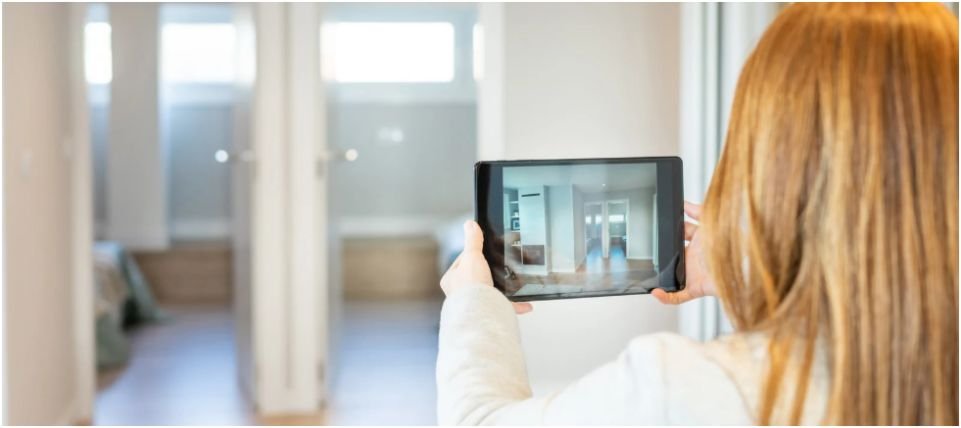
Virtual Property Tours and Real Estate Sales used to feel like a flashy add-on to me. Something nice to have, but not essential. That opinion changed fast once I saw how buyers actually behave today.
People want clarity before commitment. They want to explore without pressure. And they want to feel confident before they ever step inside a property.
What surprised me most wasn’t the technology. It was how much faster decisions happened once virtual tours became part of my daily real estate routine.
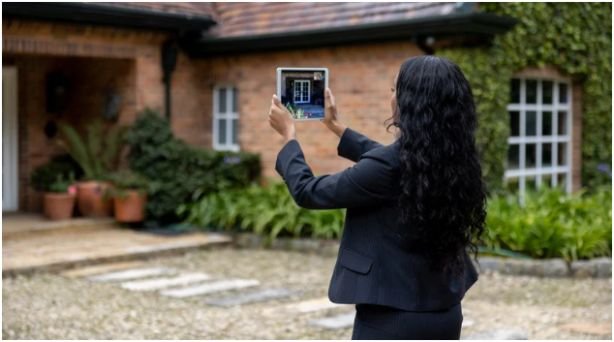
I noticed early on that listings with immersive tours didn’t just get more clicks. They attracted better buyers. People who booked site visits already understood the layout, the flow, and the vibe of the space.
Listings with virtual tours consistently pulled in far more engagement. Industry data backs this up. Properties with tours get up to 87 percent more views and around 40 percent more qualified leads. That lines up exactly with what I’ve seen in practice.
The real win comes later in the funnel. Virtual Property Tours and Real Estate Sales work so well together because tours act like a pre-filter and are one of the examples of top pro tech trends in real estate. Buyers who show up in person already feel invested, which shortens negotiations and speeds up closing timelines.
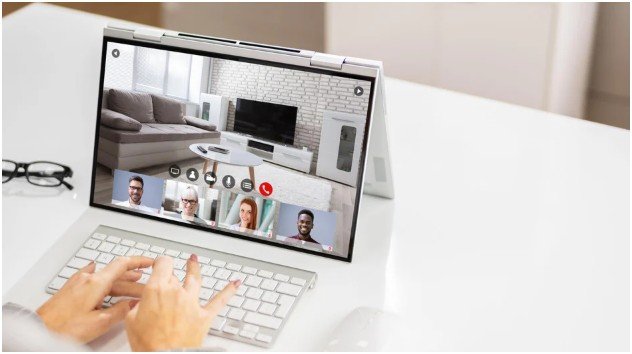
I used to spend weekends repeating the same walkthrough for different buyers. Now, the tour does that work for me. Buyers arrive with specific questions instead of general curiosity.
Properties that use virtual tours often sell up to 31 percent faster. That speed comes from fewer wasted visits and fewer undecided buyers. The tour answers the big questions early. Does the layout work? Is the space usable? Does the home feel right?
Another interesting shift is pricing confidence. Homes marketed with strong virtual tours often command around 9 percent higher prices. When buyers see everything clearly, trust increases. Transparency becomes a value driver, not a risk.
Not every tour fits every property. I’ve learned to match the format to the buyer’s mindset and the stage of the project.
360-degree photo tours work best for speed. They let buyers click through rooms at their own pace and feel in control. These tours shine for resale homes and rental listings.
3D virtual walkthroughs feel more immersive. Platforms like Matterport create a true digital twin with accurate measurements and a Dollhouse View. These tours help buyers understand scale, not just visuals.
Live virtual tours add a human layer. Tools like CloudPano allow real-time video calls inside the tour. I’ve seen this work especially well with remote buyers.
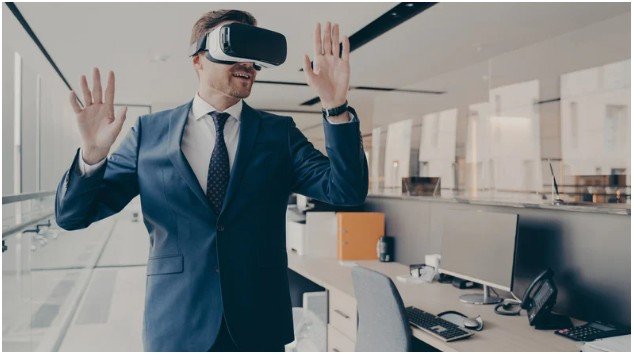
For under-construction projects, VR visualization changes the game. Buyers can walk through a finished apartment before the foundation exists. That level of clarity builds confidence early.
Buyers save time and energy. Instead of spending weekends hopping between sites, they narrow choices from their couch. This matters even more for out-of-town buyers.
Developers benefit from consistency. Virtual tours standardize how projects get presented. Teams don’t rely on individual sales styles anymore. Tours also reduce the cost of repeated physical site visits.Virtual Property Tours and Real Estate Sales work best when buyers feel nothing is hidden.
Choosing software depends on whether you value immersion, speed, or localization. I’ve tested enough tools to know there’s no one-size-fits-all option.
| Platform | Best For | Standout Feature | Pricing |
| Matterport | Luxury listings | 3D Dollhouse, accuracy | Free to $296+/mo |
| Kuula | Fast deployment | Mobile-first 360 tours | Free to $36/mo |
| CloudPano | Remote sales | Live video inside tours | Free to $49+/mo |
| Panoee | Customization | Unlimited free tours | $0 |
| iStaging | Virtual staging | AR furniture placement | $5–$390/mo |
First, I decide the tour type before marketing begins. Resale homes get fast 360 tours. Premium or remote-focused listings get 3D walkthroughs.
Second, I integrate the tour everywhere. Listings, WhatsApp shares, email follow-ups, and even QR codes at sites all link back to the same experience. Consistency matters.
Third, I treat the tour as the first showing. I encourage buyers to explore it fully before scheduling a visit. That single habit filters casual interest and saves everyone time.
The biggest mistake is treating tours like a checkbox. A poorly lit or rushed tour hurts more than it helps. Quality always beats speed.
Another issue is overloading tours with unnecessary hotspots. Buyers want clarity, not clutter. Clean navigation wins.
Finally, some agents hide flaws. That backfires. Virtual Property Tours and Real Estate Sales work best when transparency builds trust early.
Not completely, and they shouldn’t. Tours replace the first casual visit, not the final decision visit. Buyers still want to feel the space physically before committing. What tours do brilliantly is eliminate wasted visits and bring serious buyers to the table faster.
They don’t have to be. Platforms like Kuula and Panoee offer free or low-cost options. High-end tools cost more but often pay for themselves through faster sales and higher pricing confidence.
Absolutely. Even basic 360 tours can level the playing field. Buyers care more about clarity than production budgets.
Virtual Property Tours and Real Estate Sales didn’t just change how homes are marketed. They changed how I work. My days feel calmer. My buyers feel more confident. And my listings move with less friction.
If you’re still treating virtual tours as optional, try one listing the right way. Use it everywhere. Let buyers explore freely. You might find, like I did, that selling becomes simpler when you stop explaining and start showing.