 11
11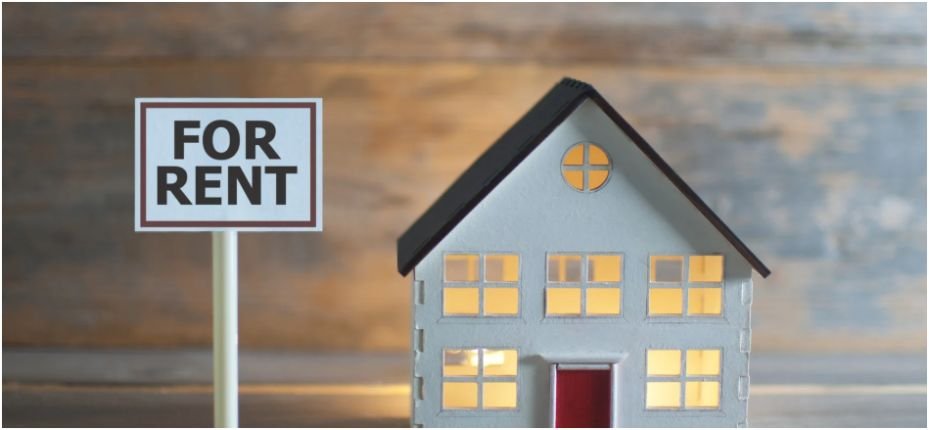
I’ve always loved staying on top of real estate trends, and if you’re anything like me, you know that the housing market is shifting in some pretty exciting ways. For a while now, I’ve been watching the rise of Build-to-Rent (BTR) properties, and it’s clear to me that this isn’t just a passing trend — it’s the future of real estate.
Whether you’re a potential renter, a curious investor, or simply someone who’s fascinated by the evolution of housing, you’ll want to understand why BTR is gaining so much traction. Let me take you through it!
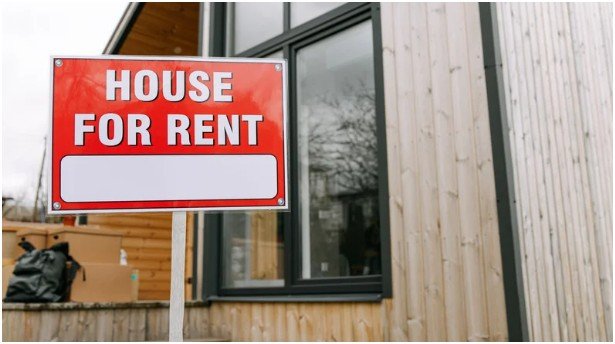
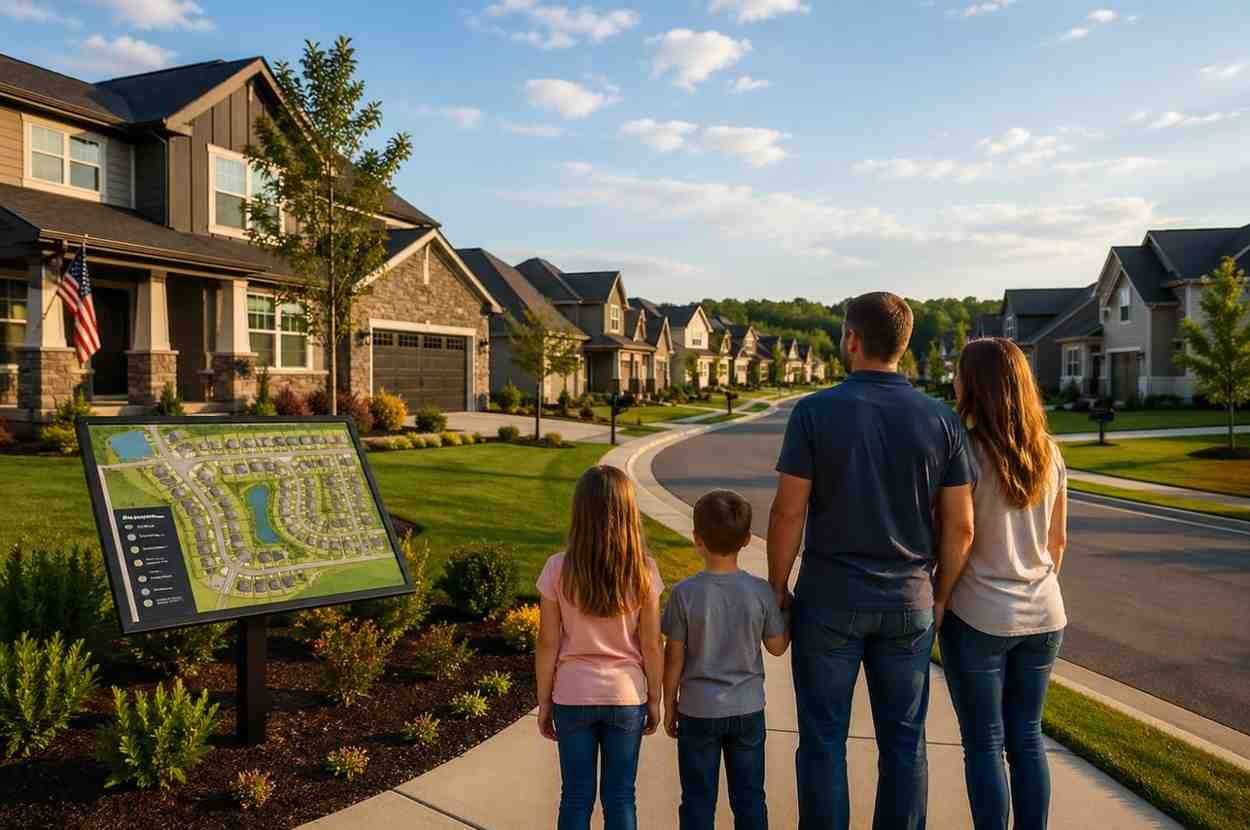
So, before I get into the nitty-gritty of why BTR is going to be a game-changer, let’s clarify what it is. Simply put, Build-to-Rent refers to properties built specifically to be rented, rather than sold.
These homes are designed with renters in mind and are often managed by a professional company.
Unlike the typical rental market, where individual landlords own properties, BTR is operated at scale by developers and investment firms, making the whole process more efficient and tenant-friendly.

If you’re considering renting a home (or maybe you’re already living in one), it’s no surprise that BTR properties are becoming the go-to option for many. Here are the top reasons why more and more people are choosing to rent in these professionally managed developments:
One of the biggest draws of BTR properties is the lifestyle flexibility. A growing number of people, especially those in the younger generations, are opting to rent rather than buy. And it’s not just because they can’t afford to buy — many are choosing renting for the lifestyle it offers. I get it. Not having to worry about maintenance, property taxes, or a 30-year mortgage is a huge perk.
In fact, according to recent trends, over 36% of BTR residents are “renters by choice.” It’s all about freedom — being able to pick up and go without the commitment of homeownership.
This is especially true in high-demand areas where purchasing a home can feel like an impossible goal. BTR properties offer an affordable, stress-free option without sacrificing quality or location.
Another thing I love about BTR developments is that they’re often built with the latest trends and high-quality materials in mind. These properties aren’t just your standard rental homes; they come with amenities like gyms, co-working spaces, and smart home technology.
These features are becoming essential to renters who want the comforts of home without the hassle of upkeep.
Take my friend Jen, for example — she’s a digital nomad and lives in a BTR home with a dedicated office space, high-speed internet, and a gym on-site. She couldn’t ask for more. The level of care that goes into these developments is one of the main reasons why BTR properties stand out in today’s real estate market.
BTR properties also make life easier for investors. Here’s why: tenants in BTR units tend to stick around for longer periods of time. In fact, the average tenant stays for around 5.6 years, much longer than your average apartment dweller.
This stability is beneficial for both tenants, who enjoy a steady living situation, and for investors, who appreciate reliable cash flow. With lower turnover rates, BTR properties create a more predictable revenue stream.
For anyone considering investing in BTR properties, this long-term stability and the “bond-like” income stream it provides makes it an attractive option. Think of it like renting with an upscale, professional touch.
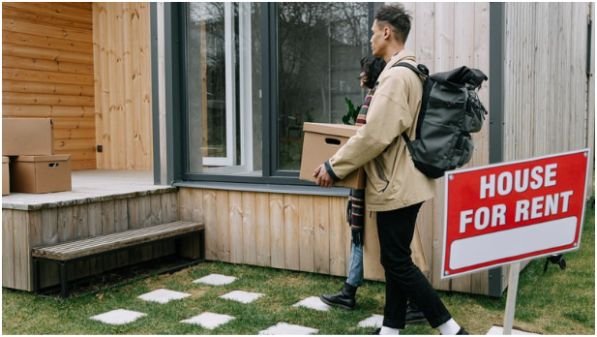
If you’re looking to rent in a BTR development, or if you’re an investor considering putting your money into one, knowing what makes a great BTR property is key. Here’s a step-by-step guide to help you identify the best options:
Step 1: Location, Location, Location
Just like with traditional real estate, the location of the BTR development is critical. Look for properties that are close to major employment centers, transportation hubs, or growing suburban areas.
Sun Belt cities like Texas, Arizona, and Florida are especially booming right now for BTR developments, but don’t overlook Midwest cities like Columbus and Indianapolis.
Step 2: Check for Amenities
BTR properties tend to come with a lot of perks. Look for developments that offer a wide range of amenities such as fitness centers, community spaces, and pet-friendly options. Even features like smart home tech or high-speed internet should be on your radar.
Step 3: Professional Property Management
One of the best parts of BTR is the professional management. Check for a property that offers responsive maintenance services and high-quality property management. A well-run development will have better overall care and upkeep, which means a better living experience.
Not necessarily. While BTR properties tend to be higher-end, they often come with added amenities that make them worth the price. Plus, because these properties are professionally managed, tenants don’t have to worry about maintenance costs, which could offset the price difference.
On average, tenants in BTR properties stay about 5.6 years. This is longer than typical renters, who tend to move every couple of years. The stability makes BTR properties attractive to both investors and residents.
The benefits are numerous: flexibility, no long-term commitment, and high-quality living with modern amenities. Plus, the professional management takes care of maintenance and repairs, so you don’t have to worry about anything breaking down.
As the demand for flexible, high-quality rental properties continues to grow, Build-to-Rent is set to become an even bigger part of the real estate landscape.
Whether you’re renting or investing, it’s clear that BTR developments offer benefits for both parties — a better experience for tenants and a more stable, profitable investment for developers.
So, whether you’re considering renting in a Build-to-Rent property or looking to invest, it’s clear that this model isn’t going anywhere. It’s the future of real estate, and I’m excited to see how it continues to evolve!