 11
11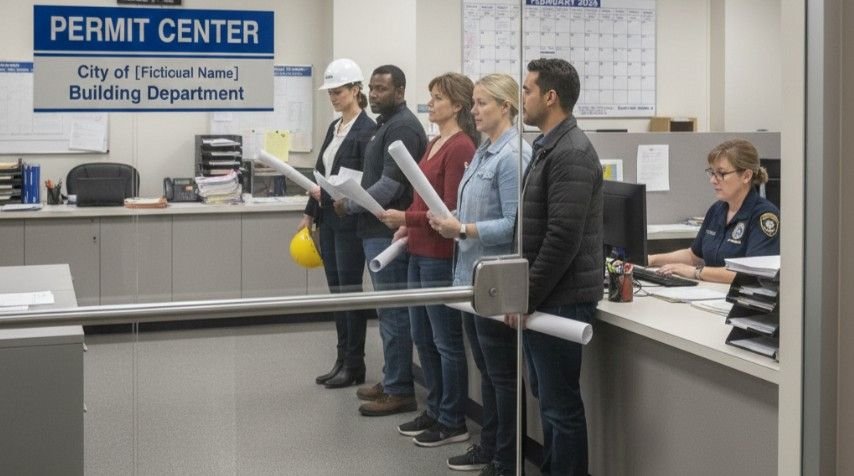
If you’ve ever started a home renovation or construction project, you know that getting the right permissions is a crucial step. The first time I decided to tackle a small home addition, I assumed I could skip the paperwork and get straight to the fun part: building. But guess what? A few weeks in, I got a notice about a permit violation. That was a wake-up call!
Navigating home building permits and requirements can be a bit overwhelming, but trust me, it’s worth it to get everything squared away from the beginning. It’s time we go through the essentials—what permits you need, how to apply, and when they are necessary.
Let me first explain a few basics:
A home building permit is an official authorization granted by your local government that gives you permission to carry out construction or renovation projects. It ensures that the work complies with building codes, land use regulations, and safety standards.
Essentially, it’s the green light you need before moving forward with any major changes to your property. Think of it as an important legal checkpoint to ensure that everything is safe and up to code.
Permits protect you and your property from potential hazards. By getting approval before you start your new residential construction, you’re ensuring that your project meets local standards for safety, structure, and environmental compliance. Whether you’re adding a new room, installing a solar panel, or demolishing a building, permits ensure your work won’t jeopardize the structural integrity of your home or the safety of its inhabitants.
Certain projects almost always require a building permit. Here are some common ones:
While major projects typically require permits, smaller, cosmetic or maintenance-related tasks generally don’t. Some examples of work that doesn’t usually require a permit include:
If you’re unsure, it’s always a good idea to check with your local building department to confirm.
Securing a home building permit might seem complicated, but once you understand the process, it’s fairly straightforward. Here’s a simple, step-by-step guide to help you:

Start by checking local zoning laws to ensure your project complies with restrictions like height, location, climate change and land use. These rules can vary by city or county, so don’t skip this step.
You’ll need to submit several documents, including:
Once your paperwork is ready, submit it to your local building department. Some cities offer online submissions, but you might need to submit it in person. Don’t forget to pay any fees!
Your local authorities will review the plans to ensure they meet safety and building codes. This can take anywhere from a few days to several weeks, depending on your project’s complexity.
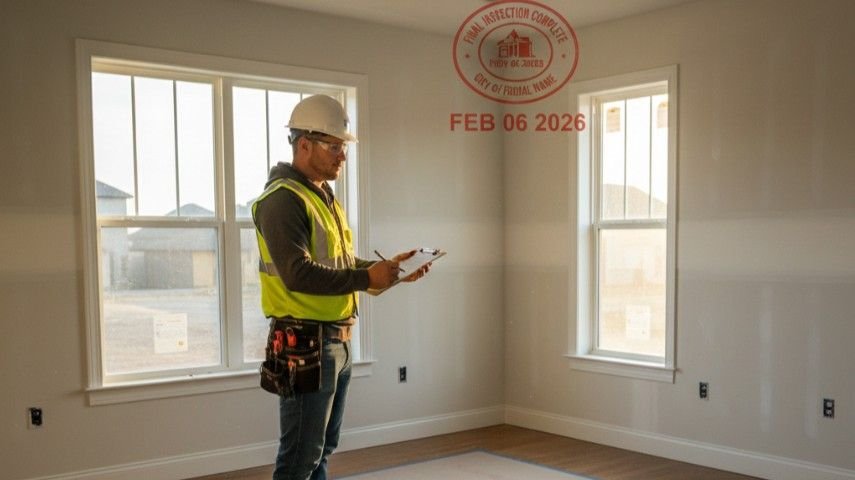
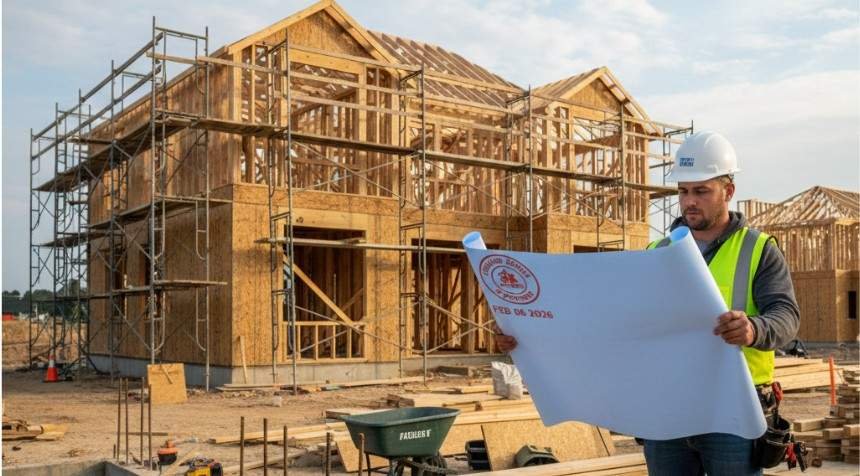
After approval, you’ll receive your permit. Keep it in a safe place, as you’ll need it for inspections and as proof that your work is legal.
Yes, in many areas, you’ll need a permit to build a fence. Fences over a certain height (usually 6 feet) or those that affect structural integrity, like retaining walls, generally require approval. The specifics depend on your location, so it’s important to check with your local building department.
The time it takes to receive your permit can vary. For simple projects, it may take just a few days, while larger projects could take several weeks. If your application requires additional documentation or revisions, that could extend the waiting period. Make sure to submit all required information upfront to avoid delays.
You can apply for a permit yourself, especially for smaller projects. However, if you’re planning a larger renovation or new construction, it’s often a good idea to hire a licensed contractor. In some areas, the contractor may need to apply for the permit on your behalf.
So, there you have it! Navigating home building permits and requirements may feel like a lot of paperwork and red tape, but it’s essential for ensuring your project’s success. Whether you’re adding a new deck or building your dream home from scratch, permits help protect you, your property, and your future.
Here’s my little tip: Always check with your local building department before starting any work. You don’t want to find yourself in a situation where you have to undo work that was done without the proper permissions. A little time spent getting everything in order will save you from future headaches!
Happy building, and good luck with your project!