 11
11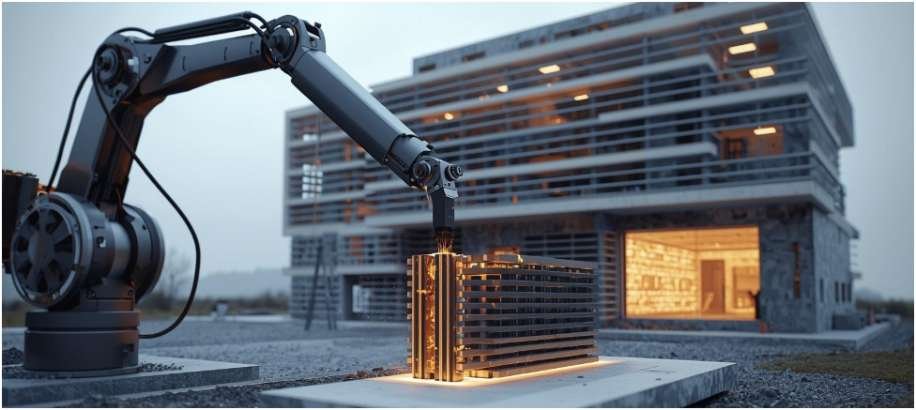
When I first heard about 3D printed homes, I couldn’t help but feel intrigued. Imagine a house built by robots, layer by layer, in a matter of days—sounds like science fiction, right? But after diving into this topic, I realized just how real and transformative this technology can be.
Today, I’m sharing what I learned about the advantages of 3D printed homes over traditional construction, and let me tell you, the benefits are game-changing.
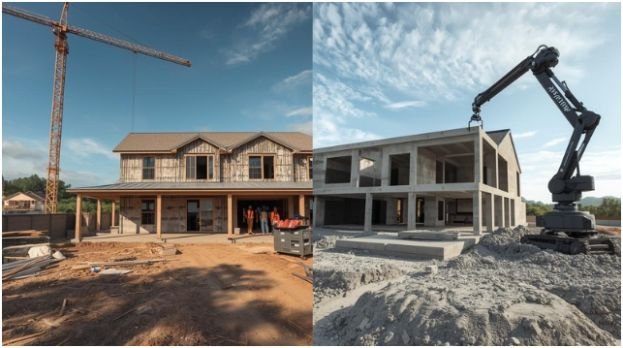
As someone who’s always fascinated by the intersection of technology and everyday life, 3D printed homes have me pretty excited. The most obvious draw? Speed. Traditional construction is notoriously slow. We’re talking months of work, countless contractors, and a whole lot of waiting around.
But 3D printed homes? They can be built in days or weeks, depending on the design and size. Imagine cutting down construction time from months to a matter of weeks. That’s exactly what 3D printing offers—speed that can help tackle housing shortages and provide quick solutions in disaster-stricken areas.
But speed isn’t the only thing that makes 3D printed homes stand out. Let’s break down the full list of advantages and how they could change the way we think about building homes.
One of the first things that popped into my mind when I thought about 3D printed homes was: How expensive are they? Surprisingly, they can actually be more affordable than traditional homes, and here’s why.
First off, fewer workers are needed on-site. While traditional construction requires a team of people handling different tasks, 3D printing relies on automated machines to lay down material layer by layer. This drastically cuts labor costs, which is a big chunk of any construction budget.
The printer follows a precise blueprint, minimizing material waste and ensuring that only the necessary amount of material is used. Think about it: fewer workers, less waste, and precise material use all add up to lower costs.
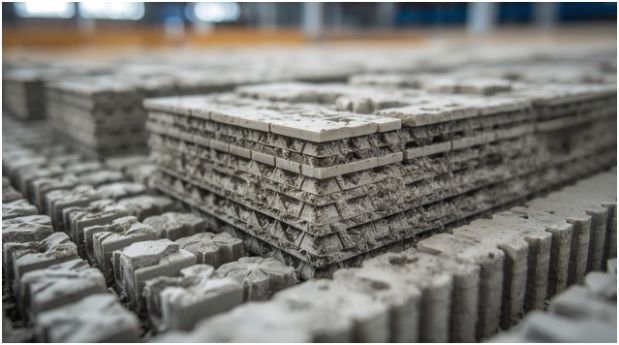
Now, I’m someone who loves a good, bold design. I’ve always had a soft spot for homes with unique, interesting layouts, and that’s where 3D printing really shines.
Traditional construction often has limitations when it comes to design flexibility—particularly if you want to create anything other than square or rectangular rooms.
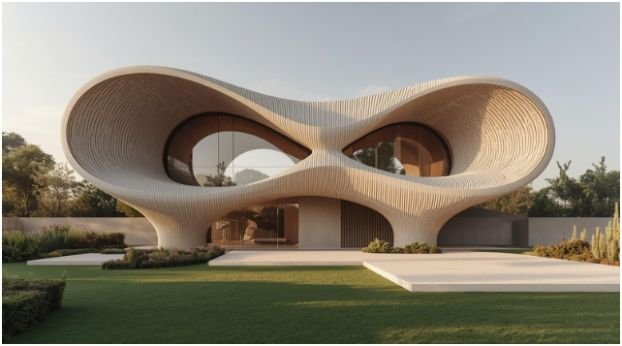
But with 3D printing, the possibilities are almost endless. Complex, curved walls? No problem. Intricate designs that would break the bank with traditional construction? Easy to achieve.
3D printing allows for beautiful, innovative designs that simply wouldn’t be possible or would be incredibly expensive using traditional methods. It opens the door for architects and homeowners to dream big, knowing that those dreams can be turned into reality with minimal added cost.
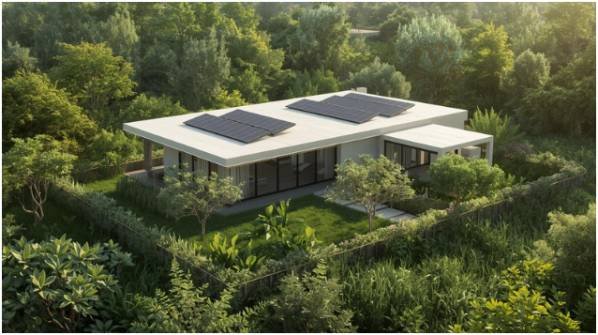
If you’re like me, sustainability is always top of mind. The construction industry has a significant environmental impact, from waste generated during building to the carbon footprint of transporting materials. But with 3D printing, the eco-friendly benefits are clear.
First off, there’s almost zero material waste. The printer uses exactly what it needs and no more. In traditional construction, waste can pile up quickly, especially when materials are cut or shaped into non-useful forms.
Not with 3D printing—everything used is precisely calculated and placed. Plus, many 3D printed homes use eco-friendly materials, such as locally sourced concrete blends, which reduces the need for transportation and the associated carbon emissions.
This technology also cuts down on energy consumption. Traditional building methods require energy-intensive machinery, transportation, and labor. With 3D printing, the materials are brought directly to the printer, and the automated process runs with minimal energy use, making it a much more sustainable option for the future.
Another key advantage of 3D printed homes is their strength and durability. One of the issues with traditional construction is that the more joints and connections a structure has, the more potential there is for issues like cracking and leaks.
But because 3D printed homes have fewer joints—thanks to their monolithic, seamless design—they’re far less prone to cracking over time.
Additionally, the concrete used in many 3D printed homes is designed to withstand extreme weather, fire, and pests, making it incredibly durable. So not only do these homes go up fast and cost less, but they’re also built to last.
Now that you’re probably as excited about 3D printed homes as I am, you might be wondering how to get started. If you’re in the market for a new home or thinking about building a unique property, here’s how to approach it:
Yes! 3D printed homes generally cost less than traditional homes due to lower labor costs, less waste, and the precise nature of the printing process. However, the final cost depends on factors like design complexity and location.
Construction can take as little as 5-30 days, depending on the size and complexity of the design. Compare that to the several months it typically takes to build a traditional home.
Absolutely! One of the major benefits of 3D printing is the ability to create complex, custom designs that would be difficult or expensive with traditional construction methods.
Very eco-friendly! They generate minimal waste, use local materials, and require less energy to build. Many 3D printed homes use concrete mixes that are both sustainable and durable.
As someone who loves the idea of living in a sustainable, cost-effective, and uniquely designed home, I’m all in on 3D printed homes. The speed, cost savings, and eco-friendly benefits make it an exciting option for the future of housing.
If you’re planning to build a new home or just dreaming about your ideal living space, why not consider embracing the future with a 3D printed home?
The world is changing, and so is the way we build. So, why not take part in that transformation? The home of the future is already being built today—faster, cheaper, and more sustainably than ever before.