
2692815517, 234d1705p005, 888670034033, 829160897561, 2178848984, 10199005007, 79100925025, 721110253680, 73149136510, 16034025050, 31700049716, 2085144125, 18006984431, 2511453c1, 885609010823, 31700058169, 850251004254, 18443295283, 2534596200, 18336510446, 18337232503, 3093226458, 3017668708, 787651122533, 2315981817, 31700049532, 18884093448, 18332147629, 829610004143, 78742431673, 31262103048, 2034462948, 2137721984, 2097308073, 2097308075, 885609027395, 2566296248, 28400071895, 9781338137200, 2138179751, 2485500855, 7398148949, 48867312249, 689604187586, 3029989192, 92636254315, 89991626505, 18337232505, 2677037088, 18009320783, 54000101830, 16000172838, 856603005566, 3023918217, 298389670, 223664791, 2emh01921, 0x82785cf5d11a1feaf80f9db18b40f49268df3d32, 2087834544, 752356829308, 53891106368, 2705139922, 2076077884, 30400793950, 18009473131, 19039009475, 2084883263, 3034919608, 2014466625, 31700049969, 25000040986, 3093200054, 43917101057, 2293540013, 2096458266, 18558722243, 16462258672, 4612193, 18665375162, 2532360471, 808829115628, 2244743167, 2172133410, 18005835698, 2532874460, 2133172858, 3039701007, 18008994047, 18005471743, 817783020404, 18335952214, 44600307138, 813094021840, 2098706700, 2093065739, 1.800.323.9895, 2109886107, 2052240982, 18005567677, 2819255000, 2252394689, 193052027610, 49694993922, 605388024374, 752356824174, 35000740182, 2144534248, 18002769939, 18774489544, 2133443356, 18003972944, 745883784301, 4895176111263, 3017592438, 37000908166, 2012496394, 18.84x18.84, 38675200623, 18773279515, 2035330874, 8274005806, 2199348320, 18004240948, 16146861627, 19148824329, 18005528159, 3107612797, 2097308079, 43935682583, 18882088843, 36504752404, 2622635147, 3078003491, 2032960056, 2148842495, 18008723377, 41458105688, 2153094295, 747599409943, 2148455505, 18883352722, 73149719690, 18003917635, 2512930806, 308978992, 887758092095, 37000822189, 18005537499, 2103618931, 79100149476, 81287038450, 47875323797, 608883000027, 3025494703, 2819685738, 2emh01720, 2154788344, 18003921147, 9800120482, 2678764652, 1a406030000678a000011570, 2814076944, 80196300108, 843461100793, 2568674634, 18336505789, 18004477228, 660708552029, 9800892259, 3107546969, 191174xl, 2195460014, 851861006867, 2097219669, 3054000750, 33500925528, 11120236637, 2136461453, 76828005015, 253.2843281, 3022006842, 18004801045, 37000829126, 3055749896, 3047699880, 305210042223, 2085153325, 18884135067, 18882183919, 17632994345, 2512923034, 3039807300, 9800895007, 2067054013, 885954560493, 2629998017, 3052798222, 3092705002, 31700054543, 18002762722, 17800136402, 18003040282, 2074303836, 295205521, 70183500420, 18335490757, 3059670629, 737416099440, 18556608899, 3055956200, 2674330213, 89121288122, 18664674300

Popular Posts

Green Building Certifications Your Guide to Sustainable Structures in 2025

Green Building Certifications: Your Guide to Sustainable Structures in 2025

When I first heard about green building certifications, I honestly didn’t know much about them. At first, it seemed like another one of those fancy industry terms tossed around by architects and environmental experts. But once I dove deeper, I realized how vital these certifications are for shaping a sustainable future. Not only do they help reduce energy consumption and improve the environment, but they also have a lasting impact on building performance and the health of the people who live and work in these spaces.

In today’s world, where sustainability is more crucial than ever, green building certifications are not just a trend—they are a necessary step in transforming the way we design, build, and inhabit our homes and offices. If you’re thinking of going green with your next building project, or you’re just curious about these certifications, keep reading. I’ll take you through the basics of green building certifications and why they are the future of construction.

What Are Green Building Certifications and Why Do They Matter?

Green building certifications are third-party verified systems that measure how environmentally friendly and sustainable a building is. These certifications help ensure that buildings meet rigorous standards for energy efficiency, water conservation, material selection, and overall sustainability. They provide a transparent framework for builders, architects, and homeowners to understand and track the environmental impact of their buildings.

Why should you care about these certifications? Well, as the world continues to focus on reducing its carbon footprint, buildings account for a significant portion of energy consumption and greenhouse gas emissions. In fact, buildings are responsible for almost 40% of global carbon emissions. 

Green building certifications help mitigate this by setting clear guidelines for energy-efficient construction and operation. Plus, they improve the quality of indoor environments, enhance occupant health, and even increase property value!

What Are the Major Green Building Certifications?

When it comes to green building certifications, several systems stand out as global leaders. These certifications are recognized worldwide and offer a reliable benchmark for sustainability performance:
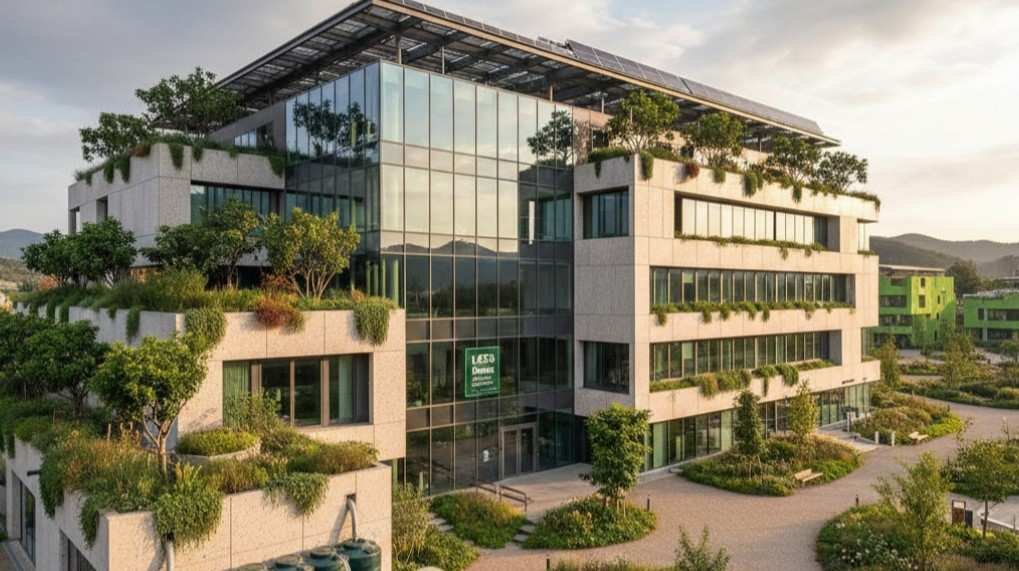
What Are the Major Green Building Certifications

  • LEED (Leadership in Energy and Environmental Design): LEED is the most widely recognized green building certification, particularly in the U.S. Managed by the U.S. Green Building Council (USGBC), it rates buildings on energy efficiency, water usage, materials, and indoor environmental quality. LEED-certified buildings are categorized as Certified, Silver, Gold, or Platinum based on their performance.
  • BREEAM (Building Research Establishment Environmental Assessment Method): Developed in the UK, BREEAM is the world’s first sustainability assessment method for buildings. It evaluates projects across ten categories, including ecology, pollution, waste, and water management. BREEAM is widely used in Europe and has a growing presence in North America.
  • WELL Building Standard: Administered by the International WELL Building Institute, WELL is a performance-based system focused on human health and wellness. It considers factors like air quality, natural light, nourishment, and mental well-being. WELL certified buildings are designed to optimize the physical and mental health of occupants.

Specialized Green Building Certifications

In addition to major global certifications, several specialized and regional certifications cater to specific needs and markets. These certifications are often more focused on particular aspects of sustainability or environmental impact:
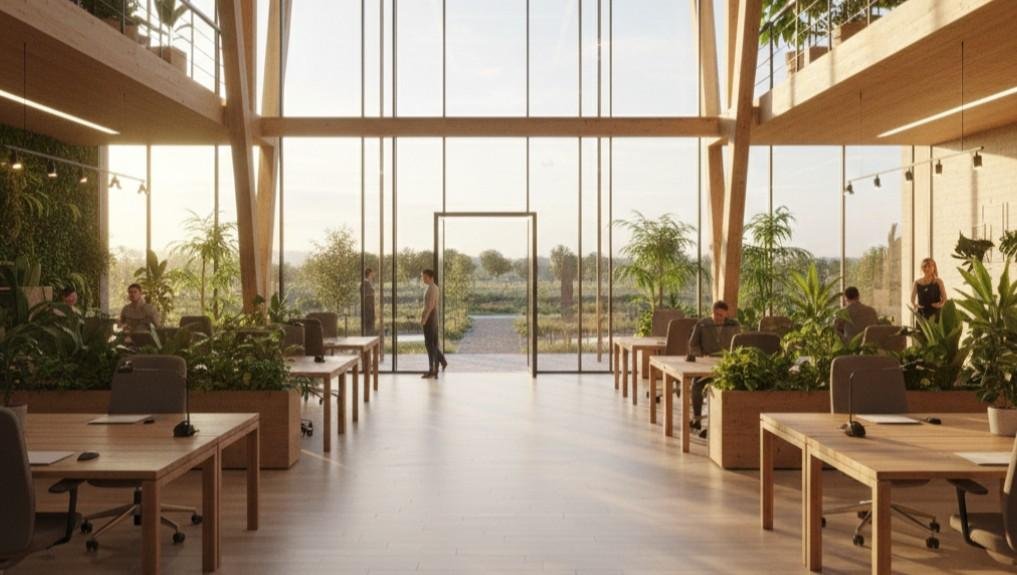
Specialized Green Building Certifications

  • Living Building Challenge (LBC): The Living Building Challenge is one of the most demanding green certifications. It requires buildings to be regenerative, meaning they must generate more energy than they consume and capture all water on-site. Buildings must meet rigorous criteria across several categories, including energy, water, and materials.
  • ENERGY STAR: Managed by the U.S. Environmental Protection Agency (EPA), ENERGY STAR is a popular certification for energy efficiency. It focuses specifically on reducing energy consumption, which leads to cost savings and lower environmental impact.
  • Green Globes: Green Globes is an online-based certification system used in the U.S. and Canada. It’s known for its flexibility and ease of use, offering an alternative to LEED for those who prefer a more streamlined process. Green Globes evaluates sustainability, resilience, and occupant health.
  • Passive House (PHIUS): Passive House is a certification that focuses on extreme energy efficiency. It emphasizes air tightness and thermal comfort, minimizing heating and cooling needs. It’s particularly popular in areas where energy costs are high.
  • EDGE (Excellence in Design for Greater Efficiencies): EDGE is a certification developed by the International Finance Corporation (IFC), part of the World Bank. It focuses on making buildings more resource-efficient in emerging markets. EDGE-certified buildings use less water, energy, and materials, making them more affordable and sustainable.

What Are the Benefits of Green Building Certifications?

When you choose to pursue a green building certification, you’re not just investing in sustainability—you’re making a smart financial and health-conscious decision. Here are some key benefits of certification:

  • Financial Returns: Certified buildings tend to have higher rental rates (up to 31% higher for LEED-certified properties) and lower operational costs. This makes them highly attractive to investors and tenants who want to save on energy costs and enjoy eco-friendly environments.
  • Occupant Well-being: Features like improved air quality, access to natural light, and efficient temperature control are linked to better productivity, reduced absenteeism, and enhanced health for building occupants. Whether it’s a residential building or an office space, green certifications can improve overall well-being.
  • ESG Alignment: Green building certifications help businesses meet their Environmental, Social, and Governance (ESG) goals. Companies that pursue these certifications signal their commitment to sustainability, which is increasingly important to investors and customers.

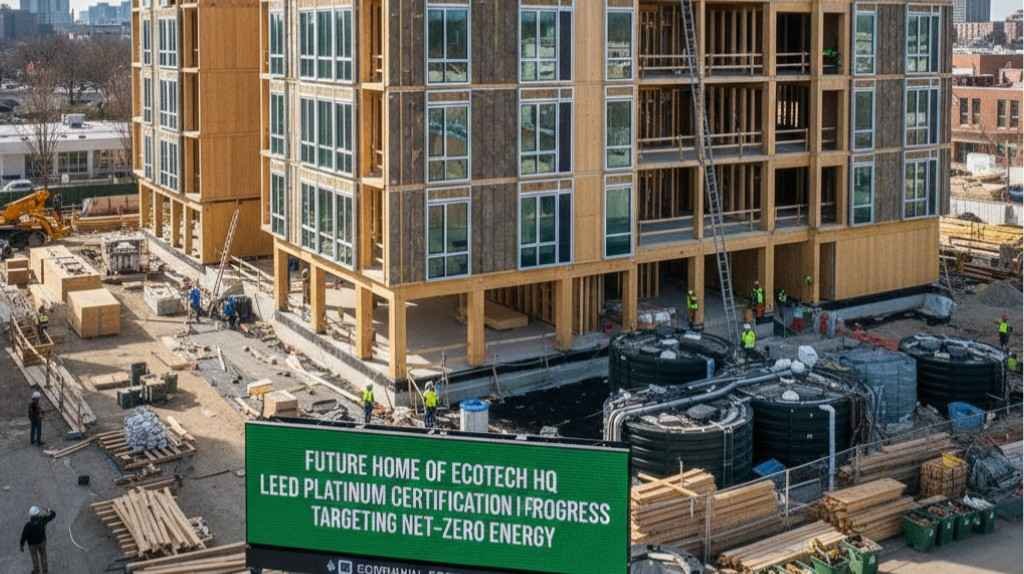
How to Get a Green Building Certification for Your Project

Achieving a green building certification for your project might seem like a complex task, but with the right approach, it’s entirely feasible. Here’s a step-by-step guide on how to get started:
How to Get a Green Building Certification for Your Project

Step 1: Choose Your Certification System
Start by selecting the right certification system for your project. Do you want to prioritize energy efficiency? Go for LEED or Energy Star. If you’re focused on occupant health and wellness, consider the WELL Building Standard.

Step 2: Hire an Expert Consultant
Consider hiring a green building consultant who specializes in your chosen certification system. They will guide you through the entire process, helping you meet all the requirements and submit the necessary documentation.

Step 3: Select Sustainable Materials and Systems
Choose eco-friendly materials, energy-efficient appliances, and water-saving fixtures. For example, use low-VOC paints, recycled materials, and solar panels to earn points towards your certification.

Step 4: Submit Your Application
Once your building meets all the requirements, it’s time to submit your certification application to the relevant body. The application will include detailed documentation of your project’s compliance with sustainability criteria.

Step 5: Celebrate Your Certification!
Once your project is certified, you’ll receive official recognition for your hard work. You can then proudly showcase your green building certification to tenants, investors, and customers.

Frequently Asked Questions

1. How long does it take to get a green building certification?

The process can take anywhere from several weeks to several months depending on the size and complexity of the project. On average, it can take 3 to 6 months to complete all the necessary assessments and paperwork.

2. Are green building certifications expensive?

While the initial costs of certification may seem high, they are typically outweighed by long-term savings. Certified buildings enjoy lower operating costs, reduced energy bills, and higher resale values—making them a smart financial investment.

3. Can I get a green building certification for a renovation?

Yes! Many certification systems, such as LEED and WELL, offer paths for renovation projects. You’ll need to meet specific requirements, but it’s absolutely possible to achieve certification for upgrades or renovations to an existing structure.

Green Building Certifications Are the Future

So, are green building certifications worth it? Absolutely! They are the way forward for sustainable construction, offering a clear path to energy efficiency, healthier living spaces, and long-term cost savings. By pursuing green certification for your next project, you’re not only doing your part to protect the environment but also investing in future-proof buildings that will stand the test of time.

Here’s my tip: Start small! If you’re overwhelmed, don’t worry. Begin by implementing energy-saving measures like LED lighting or low-flow fixtures. Over time, you can build towards full certification—every green step counts.

Leave a Reply

Your email address will not be published. Required fields are marked *