 11
11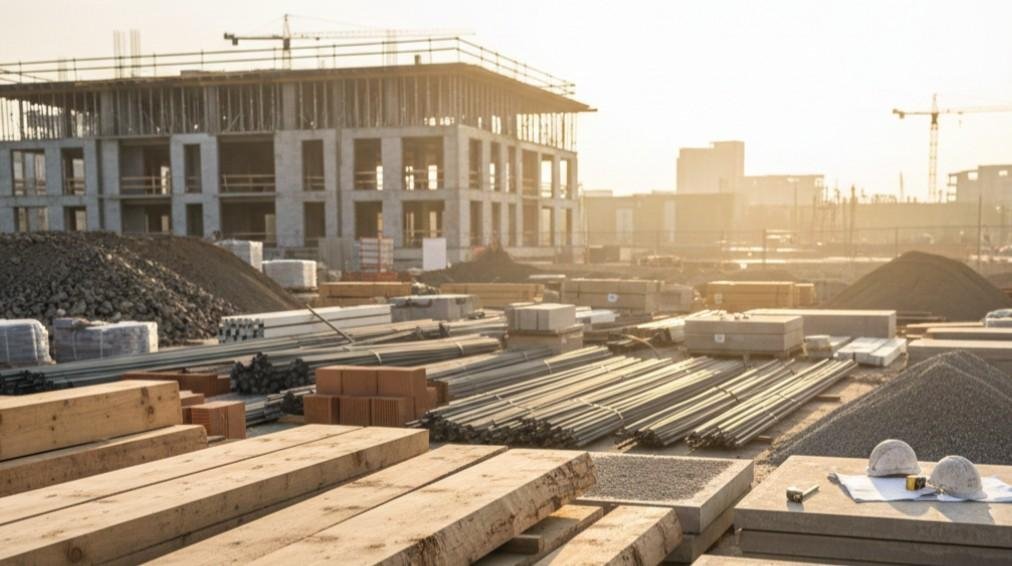
Choosing the right building materials is one of the most important steps in any construction or renovation project. Whether you’re building your dream home, remodeling a kitchen, or putting up a new office building, the materials you choose will impact everything from the project’s cost to its long-term performance.
I remember when I started my first home renovation project, I stood in front of a mountain of options—each material seemed like it had its own set of promises. Wood, steel, concrete… which one was best for my needs? Well, after doing a little homework, I learned that how to choose the right building materials involves assessing the project’s unique needs, environment, and budget, alongside the long-term benefits.
When selecting materials for your project, it’s important to keep in mind several core factors that will affect both the performance and cost of your building. Here’s a rundown of the key considerations:
Before even thinking about materials, you need to define the scope and purpose of your project. Is it a high-traffic commercial building that requires materials with fire resistance and durability? Or are you building a cozy, aesthetic home that prioritizes comfort and appearance? For instance, high-traffic areas need materials that can withstand heavy use, like concrete or steel.
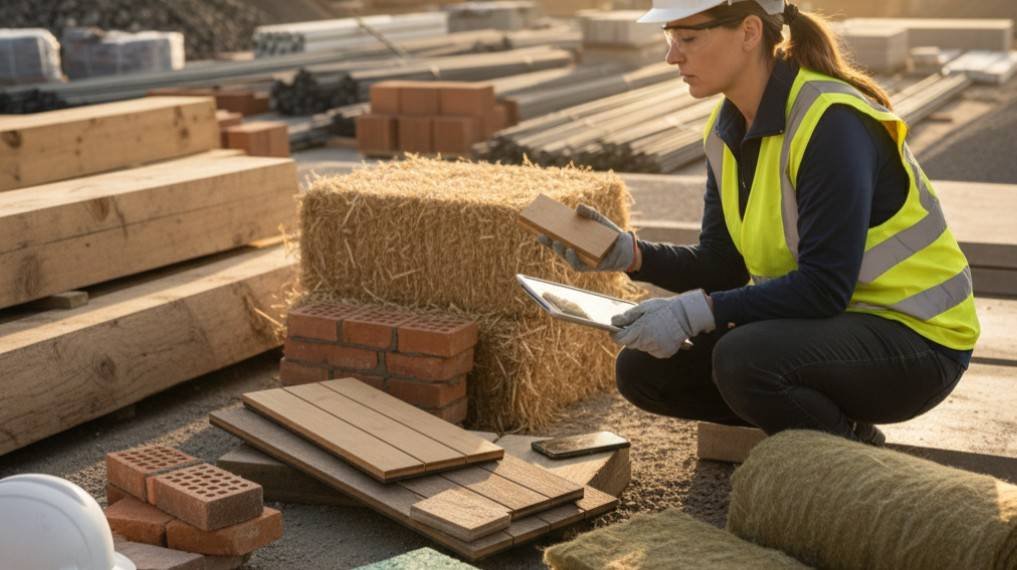
While a residential home might focus more on wood or brick for a warm, welcoming feel. Understanding your project’s primary function will help you make informed decisions about the materials that best fit the environment.
Every region has its own building codes that must be followed. These codes are designed to ensure safety, stability, and durability. Depending on where your project is located, certain materials may be required or restricted due to factors like fire safety, wind resistance, or structural integrity.
Always consult local regulations to ensure that the materials you choose meet the necessary standards. Ignoring building codes could lead to costly fines or even the need for costly repairs down the line.
Not sure where to start? Consulting with experts such as architects, structural engineers, and trusted suppliers can provide invaluable insights. These professionals have in-depth knowledge of material performance and can recommend options that best meet your project’s specific requirements.
They also keep up with the latest innovations in building materials, helping you avoid costly mistakes and ensuring that your project meets all safety and performance standards.
Choosing the right material is about more than just aesthetics—it’s also about durability, cost, and how well the material will perform in the environment it will be used. Here are the most important factors to consider when selecting materials:

The durability of your building materials will determine how well they withstand wear and tear over time. For example, materials like steel or concrete offer excellent durability in harsh weather conditions, while wood or brick may require more maintenance to keep them in top condition.
If you live in an area prone to extreme weather, you might want to opt for materials that offer better resistance to the elements, such as fiber cement or engineered wood. Durable materials may cost more upfront, but they often provide better value in the long run by minimizing maintenance and replacement costs.
Cost is always a significant factor when choosing building materials. While it’s tempting to go for the cheapest option, consider the total cost of ownership, which includes not only the upfront material cost but also transportation, installation, and maintenance over time.
For example, while concrete may have a higher initial cost, it often requires less maintenance and lasts longer than cheaper alternatives. Likewise, low-cost materials might need more frequent repairs or replacements, which could negate their initial savings.
Your building materials should align with the style and visual appeal you’re aiming for. For instance, wood creates a natural and warm look, while steel, glass, and concrete lend a modern, industrial feel.
Think about the kind of architectural style you want to achieve and choose materials that complement it. Steel and glass are often used for a minimalist look, while stone or wood are better for rustic, traditional designs. Remember, your materials should not only fit your style but also enhance the overall experience of the space.
In today’s world, sustainability is more important than ever. Choose eco-friendly materials to minimize the environmental footprint of your project. Consider options like sustainably sourced timber, bamboo, recycled steel, and materials with low VOC emissions.
Not only do these materials help protect the planet, but they can also improve indoor air quality and create healthier living spaces. Additionally, try to use locally sourced materials to reduce transportation emissions and costs.
Now that you understand the factors to consider, here’s a practical step-by-step guide on how to choose the right building materials for your project:
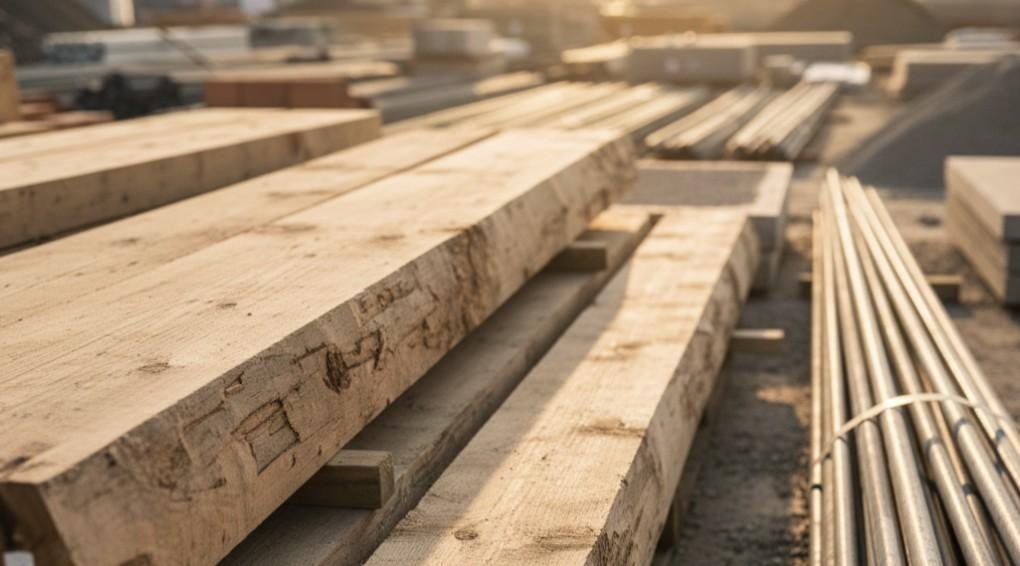
Start by defining the main purpose of your building. Are you designing a high-traffic commercial space or a relaxing residential retreat? Knowing this will guide you towards materials that offer the right balance of durability, aesthetics, and functionality.
Take the time to research the various materials available. Look into factors such as cost, longevity, and environmental impact. Compare different options and see how they align with your goals. For instance, if you’re building a deck, consider materials like composite, wood, or PVC. For countertops, weigh the pros and cons of granite, quartz, and marble.
Once you have an idea of what materials you want, reach out to professionals for their input. Architects, contractors, and suppliers can provide insights into material performance and compatibility. Their expertise will help ensure you make the best choices for your project’s needs.
Ensure that the materials you choose are available locally to avoid delays and high transportation costs. Additionally, check local building codes to make sure your materials meet the required standards for safety and performance.
Look beyond the initial material cost and consider long-term factors such as maintenance, lifespan, and replacement costs. Materials that require less upkeep may cost more upfront but can save you money over time.
Concrete is widely considered one of the most durable materials for construction due to its resistance to moisture, fire, and extreme weather conditions. It’s an excellent choice for foundations, walls, and floors. Steel is another durable option, especially for structural components.
To choose sustainable materials, look for products that are locally sourced, recycled, or made from renewable resources. Additionally, consider materials that have low environmental impact during production, such as bamboo, recycled steel, or sustainable timber.
Avoid materials with high volatile organic compound (VOC) emissions, such as certain types of paint and flooring. These can negatively impact indoor air quality. Look for low-VOC or VOC-free alternatives for a healthier home environment.
While cheap materials may offer initial savings, they can lead to higher long-term costs due to maintenance and replacements. Higher-end materials may cost more upfront but often require less maintenance and last longer, providing better value in the long run.
Choosing the right building materials isn’t just about price. It’s about finding the perfect balance of cost, durability, aesthetics, and sustainability. Take your time, do your research, and consult with professionals to ensure you’re selecting the best materials for your project. Remember, building something that lasts is worth every penny you spend on the right materials!
Pro tip: Don’t rush the decision-making process—your project’s success starts with the materials you choose. Make sure they fit your vision, your budget, and your future.