
 11
11
As a real estate enthusiast and someone who’s always on the lookout for the next great investment, I’ve come to realize that the way we look at properties is changing. Gone are the days of simply relying on location, size, and curb appeal. These days, there’s another factor that’s equally—if not more—important: climate risk mapping.
You may be wondering, what exactly is climate risk mapping, and why should I care as a property investor or homeowner? Well, let me tell you—it’s one of the most important shifts happening in the real estate world today. Let’s break down how it works, why it matters, and how it affects property valuations in a way that can completely change the game for investors like you and me.
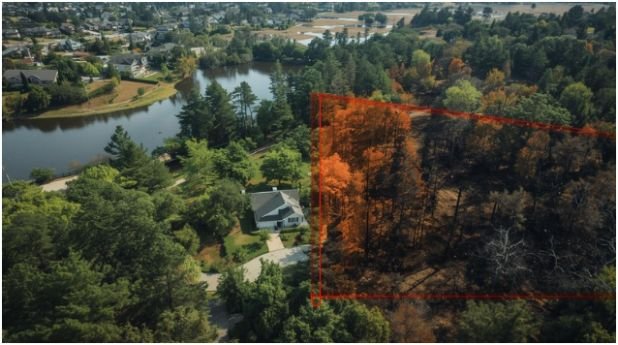
For years, property valuations were based on subjective assessments. It was all about the location, the “gut-feel” of the market, and factors like the quality of nearby schools or the popularity of a neighborhood.
But with climate change becoming a more pressing issue, it’s time we start incorporating environmental risks into our valuation models. The shift is happening, and climate risk mapping is leading the charge.
As someone who’s spent countless hours analyzing property values, I can tell you—climate risk mapping is not just a trend, it’s the future of real estate. Here’s how:

Let’s talk about the real impact of climate risk mapping on property pricing. It’s not just about flashy charts and numbers—it’s about real, tangible effects on property values. And trust me, as an investor or homeowner, this is something you can’t afford to ignore.
If you’re wondering how to integrate climate risk assessments into your property investments, it’s not as complicated as it may sound. Here’s how to do it:
Step 1: Check the Risk Score of Your Property
Many institutions like Jupiter Intelligence or CoreLogic provide platforms where you can look up the climate risk score for your property. These platforms take into account a variety of factors, such as flood zones, wildfire risk, and sea-level rise.
Step 2: Look at Future Predictions
It’s important to not only understand the current climate risks but also look at predictions for the next 30–50 years. Tools like Climate X or First Street offer predictive models that can forecast how your property’s value might change due to future environmental conditions.
Step 3: Consider Mitigation Features
If your property is in a high-risk area, consider upgrading it with climate resilience features. Adding a flood barrier, investing in solar panels, or installing energy-efficient systems can improve the property’s resilience and increase its market value. These improvements can set you up for a resilience premium when it’s time to sell.
Climate risk mapping measures a property’s exposure to environmental hazards like floods, wildfires, heatwaves, and rising sea levels. It assigns a risk score to properties based on these factors and predicts how these risks will affect the property’s value over time.
If your property is in a high-risk zone, lenders might adjust your mortgage terms. They may increase your premiums, or in extreme cases, refuse to insure or lend on the property altogether. Climate risk data can also help assess potential future operating expenses related to climate risks.
There are several ways to increase your property’s resilience. Adding features like flood barriers, fireproofing, or installing energy-efficient systems can all help. These improvements can boost your property’s value and protect it from climate-related threats.
Let me give you a little piece of advice from one investor to another: Climate risk mapping is no longer just a “nice to have”—it’s a necessity. The real estate market is evolving, and the best investors are those who understand the long-term risks posed by climate change. Ignoring this data could cost you big time.
As someone who has seen the shift firsthand, I can tell you this: Stay ahead of the game. Whether you’re buying, selling, or investing in properties, always take climate risk into account. The future of real estate belongs to those who are prepared for the climate challenges ahead.
In the world of real estate, knowledge is power. Get your hands on the best climate risk data, and you’ll not only protect your investments but set yourself up for future success. Stay informed, stay resilient, and watch your property values thrive.