
 11
11
When I first moved into my house, I was excited to finally pick the perfect flooring. Walking into a store full of hardwood, carpet, and tile samples, I was ready to make the decision. But, just like picking the right pair of shoes, choosing the right flooring for your home became a lot harder than I thought!
Should I go with something sturdy and long-lasting like hardwood, or should I play it safe with cozy carpet? The more I learned, the more I realized that the right flooring for me wasn’t just about looks—it was about lifestyle, durability, and budget. If you’re in the same boat, this guide will walk you through all the key factors to consider when making your choice.
Here are the main things you need to consider when choosing flooring:
Choosing the right flooring for your home begins with considering each room’s function. For high-moisture areas like bathrooms and kitchens, you need materials that can withstand humidity and spills.
Options like tile and vinyl are perfect because they are waterproof and durable. In contrast, basements, prone to moisture and temperature fluctuations, are better suited for vinyl planks or porcelain tile rather than hardwood, which can warp or crack under these conditions.
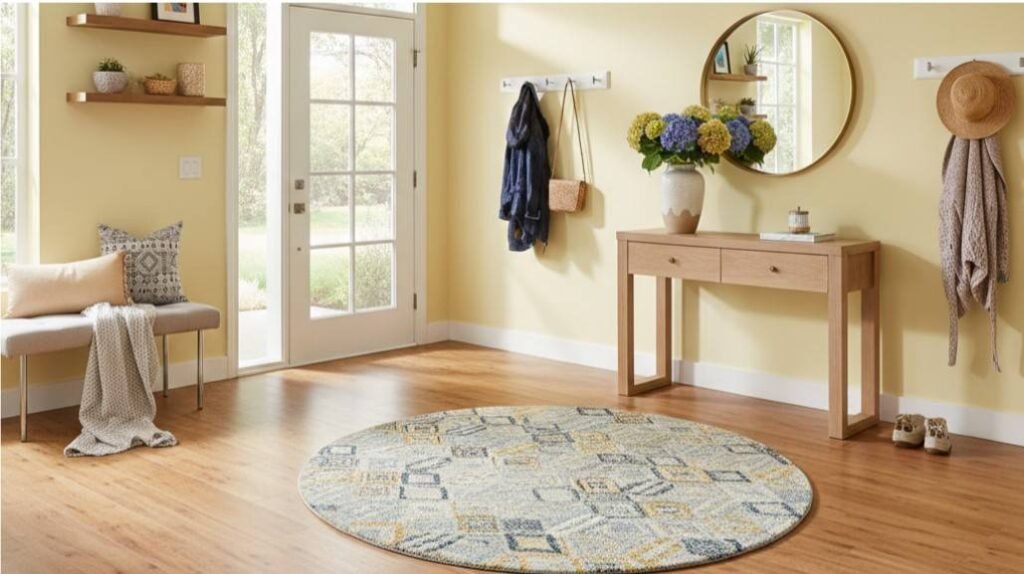
Another important factor to keep in mind is foot traffic. High-traffic areas such as hallways, entryways, and living rooms require flooring that’s tough enough to endure constant use. For these areas, hardwood, quality laminate, and tile are excellent choices.
On the other hand, bedrooms and offices experience less traffic, meaning softer, more comfortable options like carpet may be more suitable.
If you have young children or pets, the right flooring choice becomes crucial. You’ll need flooring that’s scratch-resistant, easy to clean, and capable of withstanding the wear and tear caused by kids running around or pets playing.
Luxury vinyl planks (LVP) and tile are fantastic options for families, as they are durable and easy to maintain. Hardwood, while beautiful, may show dents and scratches over time, so it might not be the best choice for a household with pets.
Flooring plays a key role in defining your home’s style. Lighter-colored flooring can make smaller rooms feel more spacious and airy, while darker tones add sophistication and warmth. Whether you lean toward a classic, timeless look with natural wood finishes or prefer something more modern.
Like polished concrete, selecting a flooring style that matches your overall home decor is essential. Plus, remember that neutral tones not only enhance your home’s aesthetic but also increase its resale value.
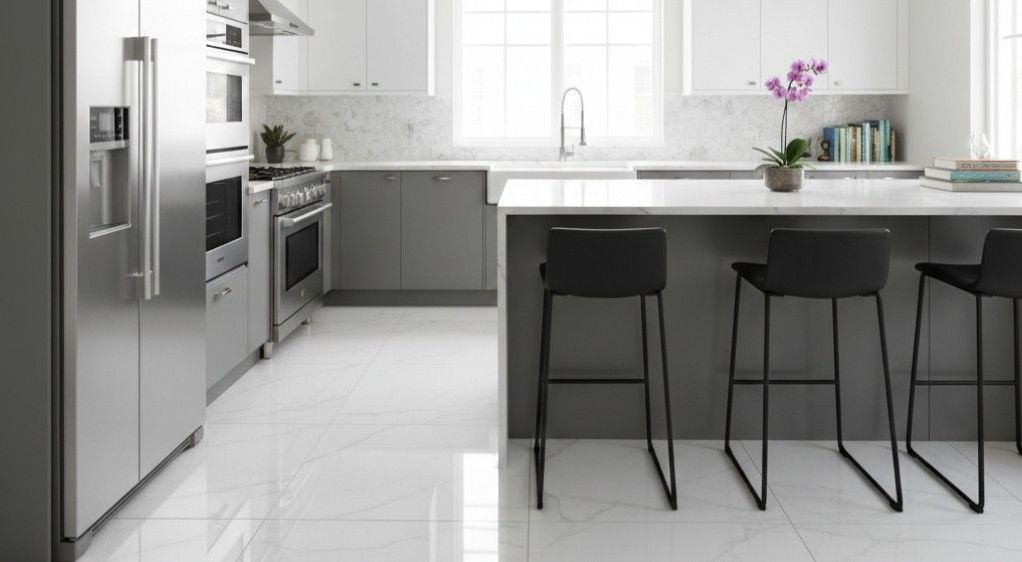
Last but not least, setting your budget is always a factor. The cost of flooring can vary widely based on the material you choose. Laminate and vinyl are the most affordable options, while hardwood and natural stone may stretch your budget.
Along with the price, consider the maintenance required for each type of flooring. Laminate and vinyl are relatively low-maintenance, while hardwood and stone need regular care to stay in top condition.
| Flooring Type | Pros | Cons |
| Solid Hardwood | Timeless elegance, can be refinished multiple times, adds significant resale value. | Susceptible to moisture/scratch damage, can expand/contract with humidity, expensive upfront. |
| Engineered Hardwood | More stable and moisture-resistant than solid wood, real wood veneer, can be used with radiant heat. | Can only be refinished once or twice (depending on wear layer thickness), may still dent. |
| Laminate | Budget-friendly, durable, scratch/stain resistant, easy DIY installation. | Can look less realistic than actual wood/tile, cannot be refinished, can buckle with excess moisture unless 100% waterproof. |
| Luxury Vinyl Plank/Tile | Waterproof, highly durable, low-maintenance, comfortable underfoot, realistic appearance. | Cannot be refinished, can be damaged by sharp objects. |
| Ceramic/Porcelain Tile | Extremely durable, waterproof, easy to clean, excellent for moisture-prone areas. | Can be cold and hard underfoot, grout requires regular cleaning, can crack if heavy objects are dropped. |
| Carpet | Soft and comfortable underfoot, absorbs sound, provides warmth and insulation. | Prone to stains, requires frequent cleaning, can harbor allergens, shorter lifespan than hard surfaces. |
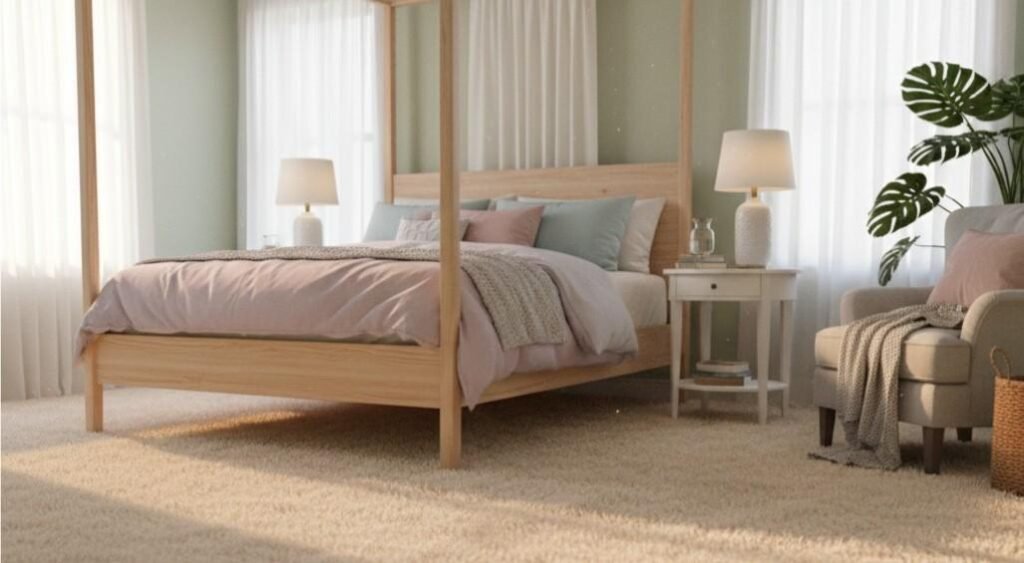
Before you start picking out flooring samples, consider the purpose of each room. For areas that see a lot of action—like kitchens and bathrooms—you’ll need something durable and water-resistant, such as tile or vinyl. For quieter spaces like bedrooms or home offices, comfort should be a priority, so softer materials like carpet or engineered hardwood might be your best bet.
Determine how much you’re willing to spend on flooring. While high-end materials like hardwood and natural stone can be expensive, affordable alternatives like vinyl or laminate can still give you a stylish look without breaking the bank. Don’t forget to factor in additional costs, such as installation and underlayment, which can add up.
Consider how much wear and tear the flooring will undergo. If you’re laying flooring in a high-traffic area, durability is key. Hardwood and tile are great for high-traffic areas because they are built to last. For pet-friendly homes, LVP and tile are excellent choices due to their scratch resistance and easy maintenance.
What’s your style? Are you drawn to sleek, modern finishes, or do you prefer the rustic charm of natural wood? The flooring you choose will play a huge role in shaping your home’s overall aesthetic, so it’s important to choose something that fits with your existing décor. Consider the colors, textures, and overall look you want for each room.
Every flooring option comes with its own maintenance needs. Some materials, like hardwood and stone, require more care to keep them looking their best. Others, like vinyl and laminate, are easier to maintain and don’t need much attention. Make sure the flooring you choose matches how much time and effort you’re willing to invest in upkeep.
For bathrooms, you’ll want waterproof materials like porcelain tile, ceramic tile, or luxury vinyl. These options are durable, easy to clean, and resistant to moisture, making them perfect for high-humidity spaces.
While hardwood looks beautiful in the kitchen, it’s not the best choice for areas prone to moisture and spills. If you love the look of hardwood, engineered hardwood or waterproof vinyl might be better options for your kitchen.
Many flooring types, such as laminate and vinyl, are relatively easy to install as DIY projects. However, materials like tile and hardwood often require professional installation to ensure they are laid correctly. If you’re unsure, it’s always a good idea to hire an expert.
Hardwood should be swept regularly and cleaned with a wood-safe cleaner. Tile can be mopped and wiped down easily, but grout needs periodic cleaning. Vinyl is low-maintenance and only requires sweeping and occasional mopping, while carpet needs regular vacuuming and deep cleaning.
Choosing the right flooring for your home is no small task, but it doesn’t have to be stressful either. By considering your lifestyle, budget, and aesthetic preferences, you can make a decision that works for both you and your home.
Don’t forget to weigh the pros and cons of each option, and remember that it’s okay to take your time—this is a long-term investment that you’ll enjoy for years to come. So go ahead, pick that perfect flooring, and step into a home that truly reflects your style!