 11
11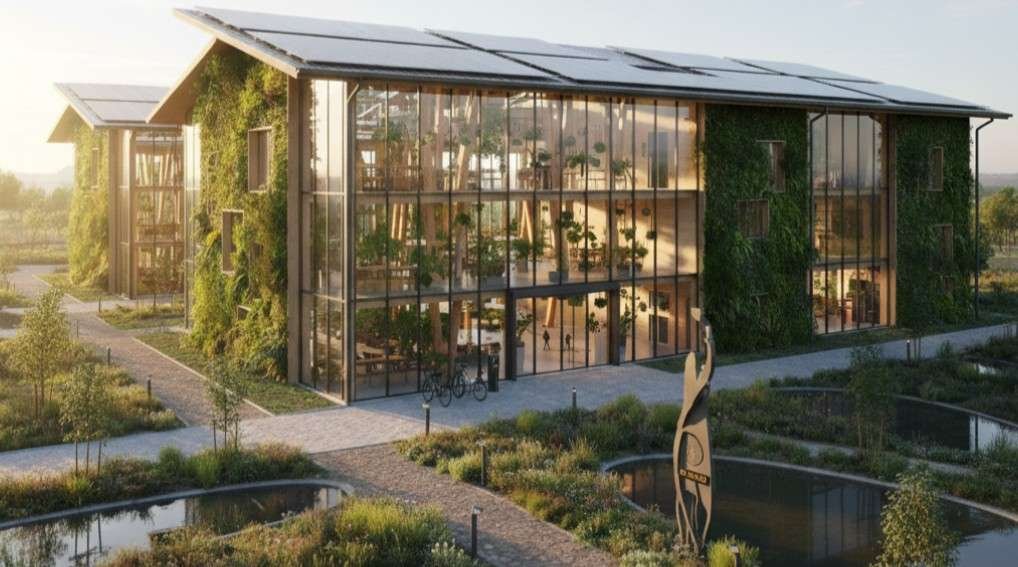
When I first heard about green building certifications, I honestly didn’t know much about them. At first, it seemed like another one of those fancy industry terms tossed around by architects and environmental experts. But once I dove deeper, I realized how vital these certifications are for shaping a sustainable future. Not only do they help reduce energy consumption and improve the environment, but they also have a lasting impact on building performance and the health of the people who live and work in these spaces.
In today’s world, where sustainability is more crucial than ever, green building certifications are not just a trend—they are a necessary step in transforming the way we design, build, and inhabit our homes and offices. If you’re thinking of going green with your next building project, or you’re just curious about these certifications, keep reading. I’ll take you through the basics of green building certifications and why they are the future of construction.
Green building certifications are third-party verified systems that measure how environmentally friendly and sustainable a building is. These certifications help ensure that buildings meet rigorous standards for energy efficiency, water conservation, material selection, and overall sustainability. They provide a transparent framework for builders, architects, and homeowners to understand and track the environmental impact of their buildings.
Why should you care about these certifications? Well, as the world continues to focus on reducing its carbon footprint, buildings account for a significant portion of energy consumption and greenhouse gas emissions. In fact, buildings are responsible for almost 40% of global carbon emissions.
Green building certifications help mitigate this by setting clear guidelines for energy-efficient construction and operation. Plus, they improve the quality of indoor environments, enhance occupant health, and even increase property value!
When it comes to green building certifications, several systems stand out as global leaders. These certifications are recognized worldwide and offer a reliable benchmark for sustainability performance:
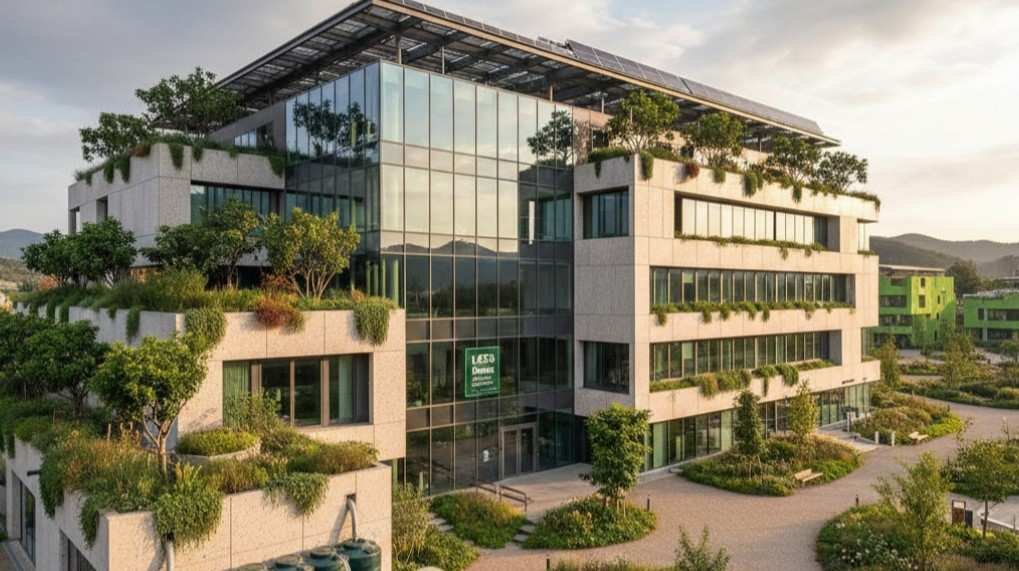
In addition to major global certifications, several specialized and regional certifications cater to specific needs and markets. These certifications are often more focused on particular aspects of sustainability or environmental impact:
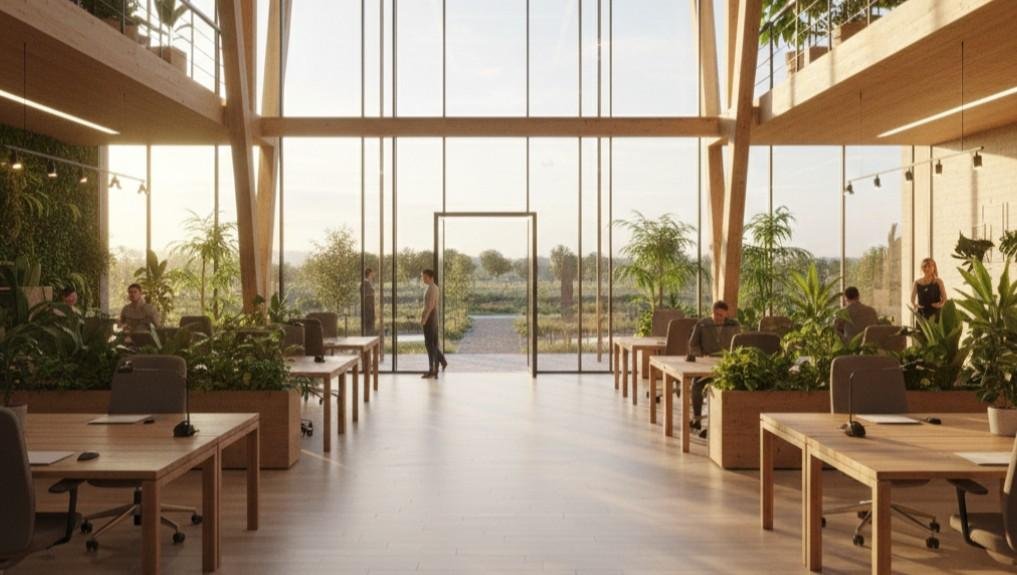
When you choose to pursue a green building certification, you’re not just investing in sustainability—you’re making a smart financial and health-conscious decision. Here are some key benefits of certification:
Achieving a green building certification for your project might seem like a complex task, but with the right approach, it’s entirely feasible. Here’s a step-by-step guide on how to get started:
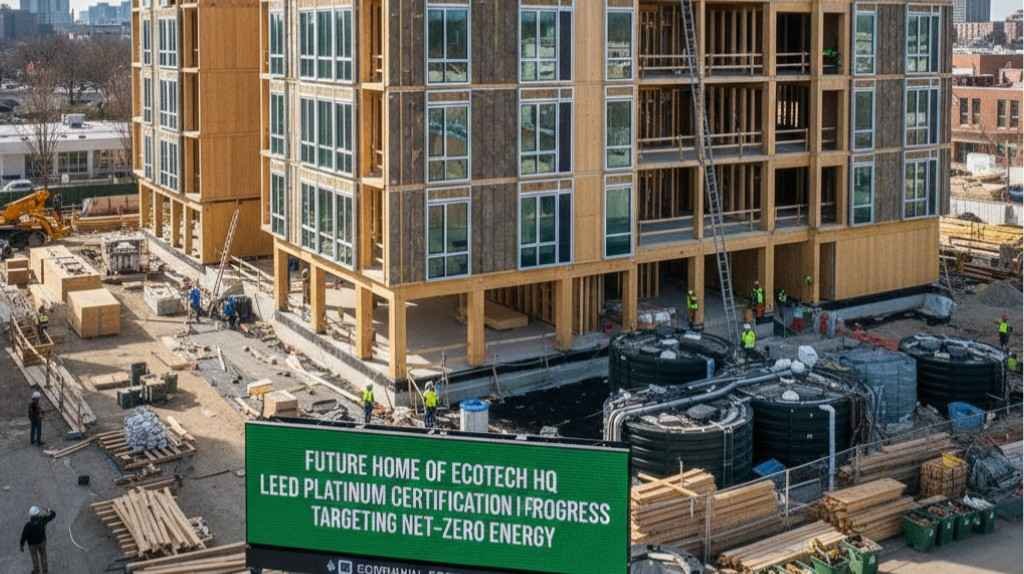
Step 1: Choose Your Certification System
Start by selecting the right certification system for your project. Do you want to prioritize energy efficiency? Go for LEED or Energy Star. If you’re focused on occupant health and wellness, consider the WELL Building Standard.
Step 2: Hire an Expert Consultant
Consider hiring a green building consultant who specializes in your chosen certification system. They will guide you through the entire process, helping you meet all the requirements and submit the necessary documentation.
Step 3: Select Sustainable Materials and Systems
Choose eco-friendly materials, energy-efficient appliances, and water-saving fixtures. For example, use low-VOC paints, recycled materials, and solar panels to earn points towards your certification.
Step 4: Submit Your Application
Once your building meets all the requirements, it’s time to submit your certification application to the relevant body. The application will include detailed documentation of your project’s compliance with sustainability criteria.
Step 5: Celebrate Your Certification!
Once your project is certified, you’ll receive official recognition for your hard work. You can then proudly showcase your green building certification to tenants, investors, and customers.
The process can take anywhere from several weeks to several months depending on the size and complexity of the project. On average, it can take 3 to 6 months to complete all the necessary assessments and paperwork.
While the initial costs of certification may seem high, they are typically outweighed by long-term savings. Certified buildings enjoy lower operating costs, reduced energy bills, and higher resale values—making them a smart financial investment.
Yes! Many certification systems, such as LEED and WELL, offer paths for renovation projects. You’ll need to meet specific requirements, but it’s absolutely possible to achieve certification for upgrades or renovations to an existing structure.
So, are green building certifications worth it? Absolutely! They are the way forward for sustainable construction, offering a clear path to energy efficiency, healthier living spaces, and long-term cost savings. By pursuing green certification for your next project, you’re not only doing your part to protect the environment but also investing in future-proof buildings that will stand the test of time.
Here’s my tip: Start small! If you’re overwhelmed, don’t worry. Begin by implementing energy-saving measures like LED lighting or low-flow fixtures. Over time, you can build towards full certification—every green step counts.