 11
11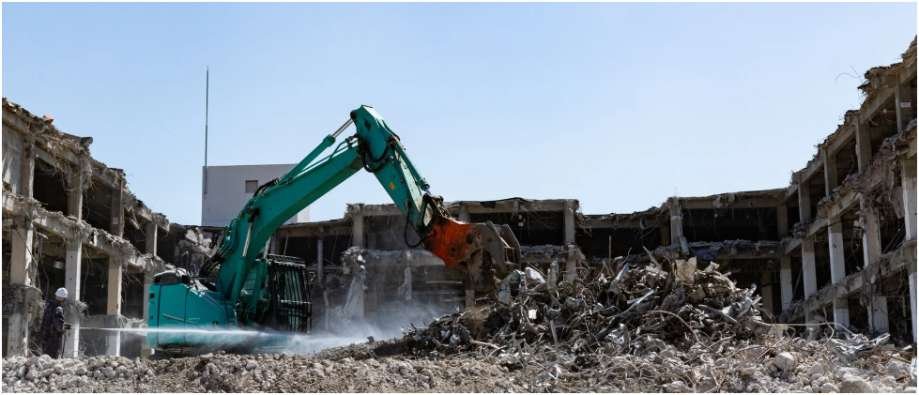
When I first came across the term “adaptive reuse” in construction, I’ll admit, I was curious but also a bit confused. How exactly does repurposing old buildings help reduce waste? The idea of transforming old structures into something new sounds intriguing, but it also made me wonder—how much of this truly impacts the environment?
After looking into it further, I realized that adaptive reuse is a game-changer for sustainable building practices. It’s not just about saving a bit of old brick here or a wooden beam there—it’s about transforming entire buildings into functional spaces while drastically reducing the construction waste that would otherwise end up in landfills.
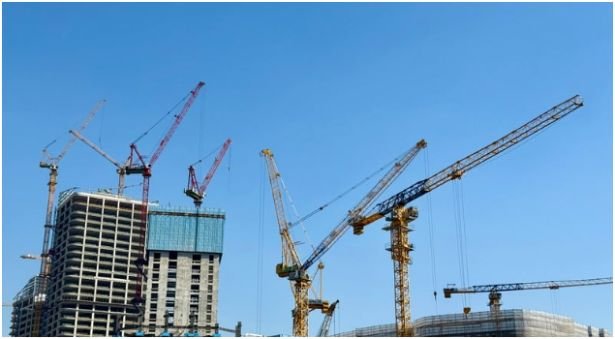
Let’s start with the basics. Adaptive reuse involves taking existing buildings—whether they’re old warehouses, factories, or commercial office spaces—and repurposing them for new uses.
Instead of demolishing the structure and sending the debris straight to a landfill, we’re salvaging valuable materials and using them in new ways.
It’s not just about keeping a building intact—it’s about recognizing the value of what’s already there. Think of it as giving a second life to materials that are already seasoned, tested, and full of character.
The result? A significant reduction in the demand for new construction materials, and a massive drop in the environmental footprint.
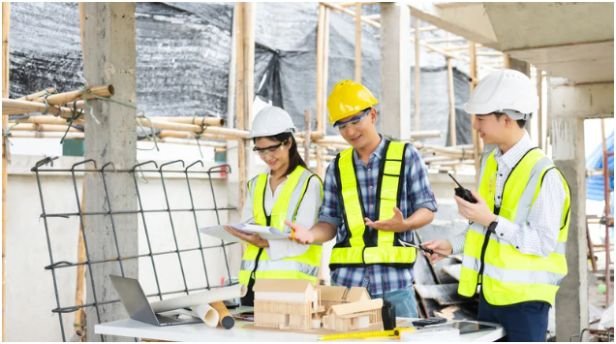
You might be wondering—how does reusing an old building even help in cutting down construction waste? Let’s break it down in a few easy-to-understand steps.
The most effective way adaptive reuse reduces waste is by keeping the original structure of the building intact. This means the foundational elements—walls, columns, and even roofs—are preserved and used as they are.
By doing so, we avoid the need for new concrete and steel, which are some of the biggest contributors to construction waste.
For example, when converting an old office building into apartments, the walls, windows, and even some floors can be preserved. This saves a significant amount of new material from being required—meaning less waste and fewer resources needed.
Old buildings can be thought of as an “urban mine” or a treasure chest full of usable materials. From reclaimed timber to vintage bricks and metal components, there’s an abundance of reusable elements that can be repurposed for new projects.
In fact, I’ve seen incredible transformations where wood from old factories is used as flooring in new residential developments, or brick from a historical building becomes part of a modern architectural design.
Just like when I’m upcycling furniture for my home, these materials can add a unique, historical flair to new spaces, while also reducing the need for new raw materials.
While traditional demolition involves knocking everything down and tossing it in a landfill, adaptive reuse flips the script by opting for deconstruction.
Instead of simply destroying everything, the building is systematically dismantled, which makes it possible to salvage high-quality materials like timber, bricks, and steel.
This method can reduce waste by up to 90% compared to the typical demolition process. And believe me, when you compare the environmental cost of deconstruction to that of straight-up demolition, the difference is enormous.
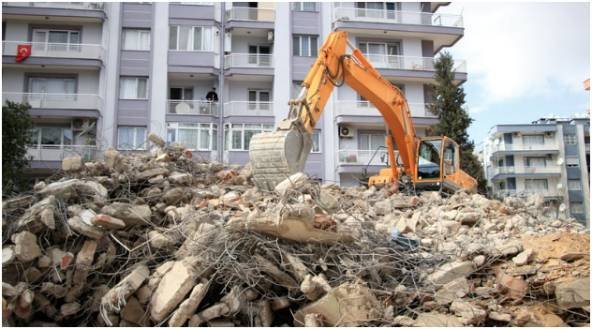
It’s one thing to read about the benefits of adaptive reuse—it’s another to see them in action. The reality is that adaptive reuse projects have already saved millions of tons of waste from ending up in landfills.
Several major projects have successfully diverted waste from landfills through adaptive reuse. Here are just a few examples:
These projects highlight how adaptive reuse not only saves waste but also brings new life to old structures, turning them into functional, vibrant spaces.
If you’re passionate about sustainability and want to get involved in reducing construction waste, here are a few practical steps to consider:
It’s true that adaptive reuse can be more expensive upfront due to the need for detailed planning and deconstruction. However, it often ends up being more cost-effective in the long run because you’re saving on materials and the environmental costs associated with producing new ones.
While adaptive reuse offers significant environmental benefits, it does come with challenges. For example, older buildings may contain hazardous materials like asbestos or lead paint, which require careful removal. Additionally, the existing structure might not always be ideal for the new purpose, requiring significant modifications.
Not all buildings are suitable for adaptive reuse. Structures with severe damage or outdated building codes may not be feasible to repurpose.
So, what’s the bottom line here? Adaptive reuse is not just a sustainable practice—it’s a smart, practical way to save resources, reduce waste, and breathe new life into old buildings.
Whether you’re a homeowner, architect, or just someone who cares about the environment, embracing adaptive reuse is an impactful step toward a more sustainable future.
Next time you walk by an old office building or abandoned warehouse, think about the possibilities. With a little creativity and a lot of vision, those buildings could become part of a greener, more sustainable future.
Keep your eyes open for adaptive reuse projects in your area—you might just be amazed at what’s possible when we repurpose and refresh the old.