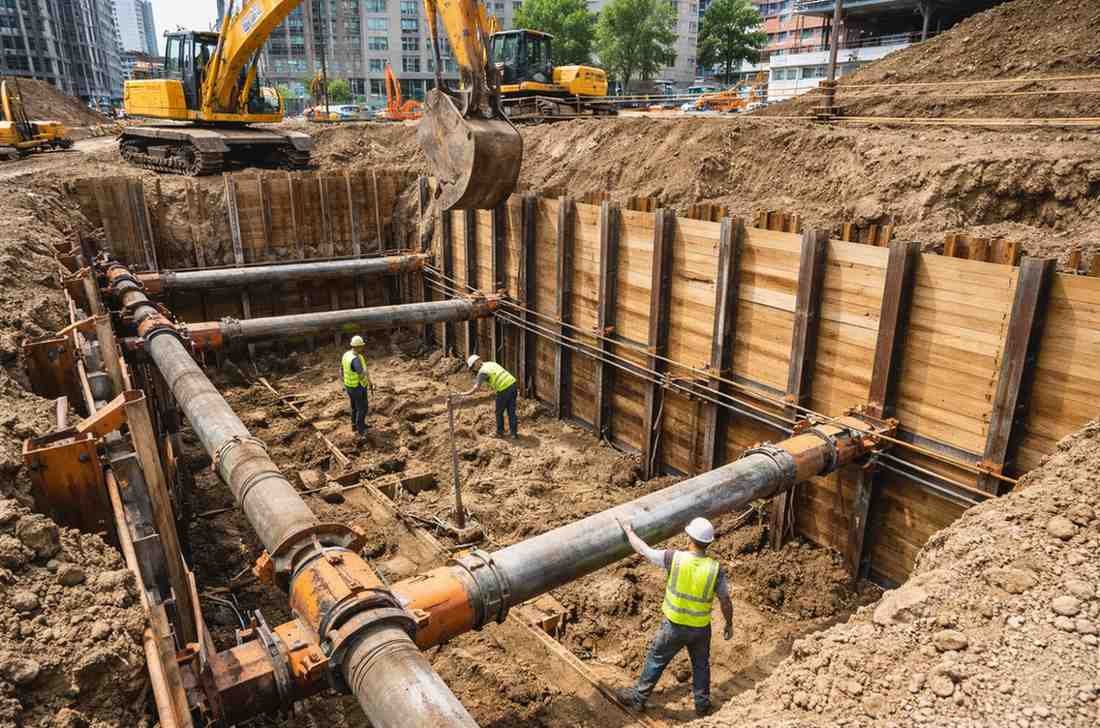
When embarking on a construction project, whether it’s building a new home, renovating an office, or undertaking a commercial development, understanding the stages involved is crucial. The construction process can be complex, with various phases requiring different types of expertise, resources, and careful management. Knowing these stages helps ensure that the project stays on track, on budget, and meets all quality standards.
1. Pre-Construction Phase: Setting the Stage for Success
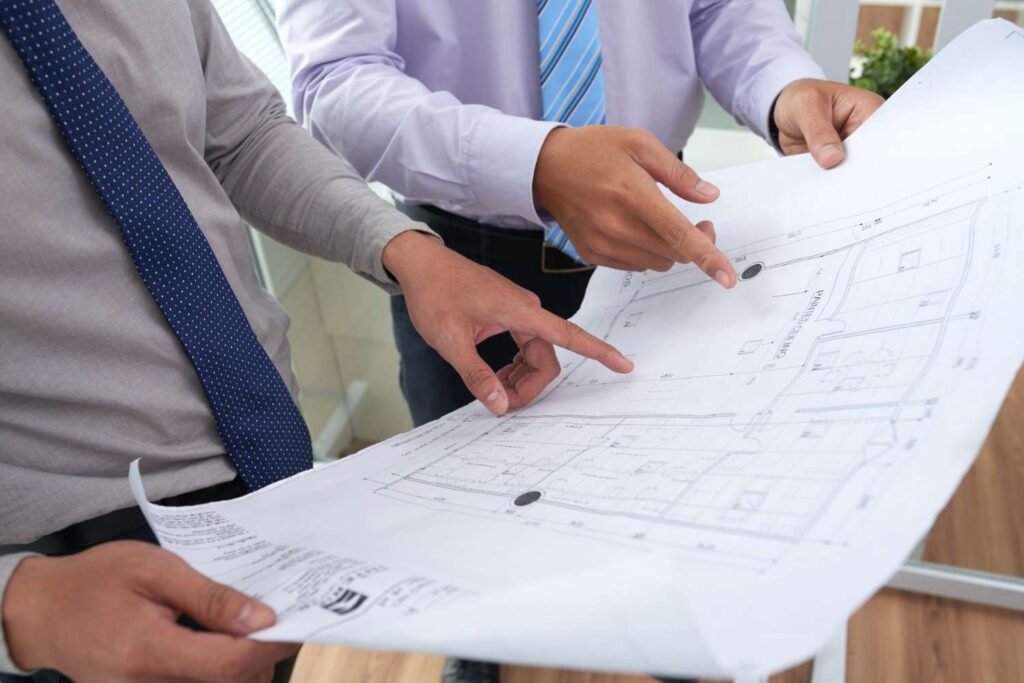
The pre-construction phase is where everything begins. This is when the groundwork is laid out, including essential planning and preparation.
- Project Conceptualization: The first task is defining the project’s scope. Whether you’re building a single-family home or a large office building, clarity on goals is essential for a smooth process.
- Site Selection and Analysis: Location is key. A thorough site analysis ensures the location is suitable, checking for zoning laws, environmental impacts, and access to utilities.
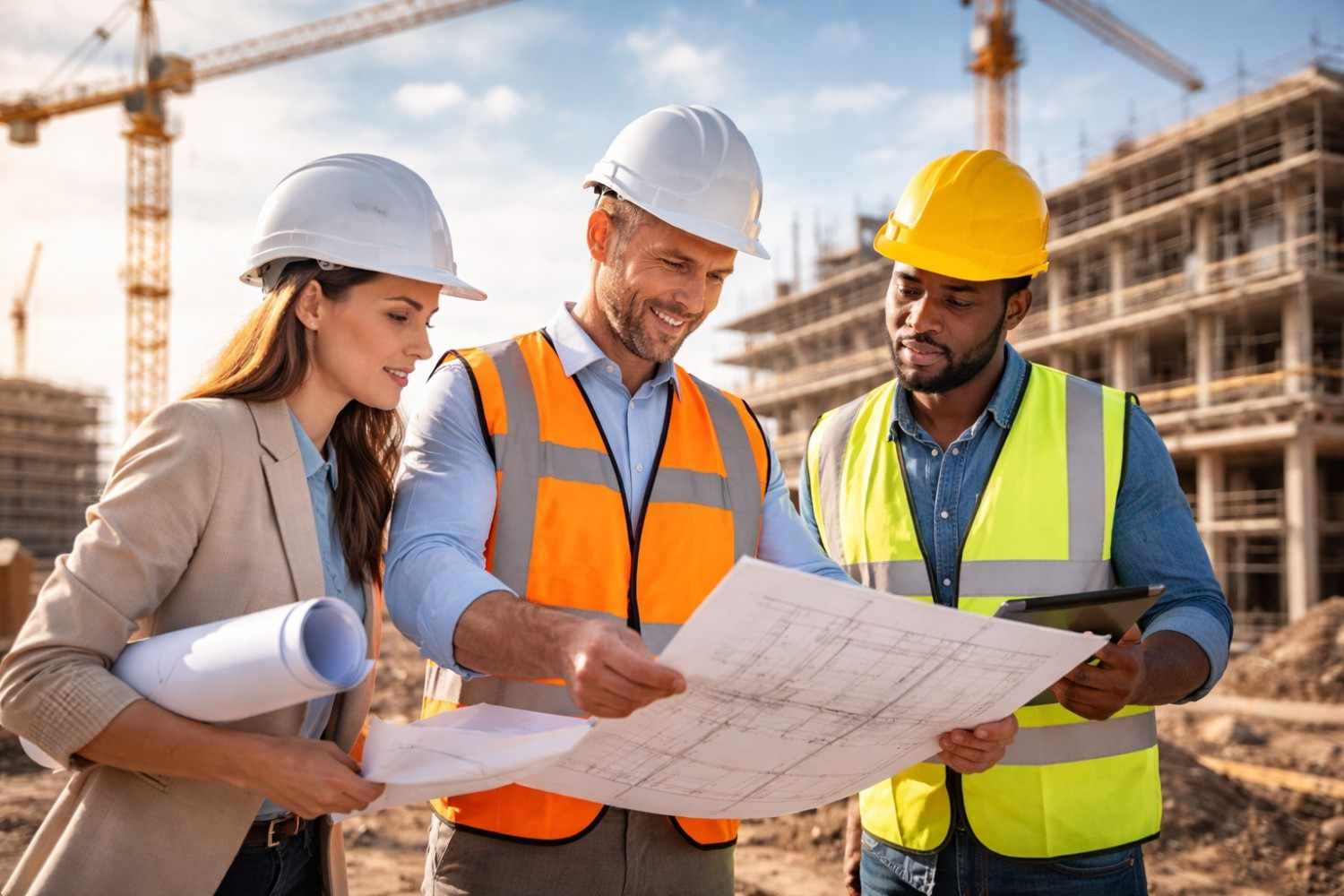
- Design and Permitting: Once the design concept is finalized, it’s time to create blueprints and submit them for approval. Getting the right permits is crucial for avoiding delays.
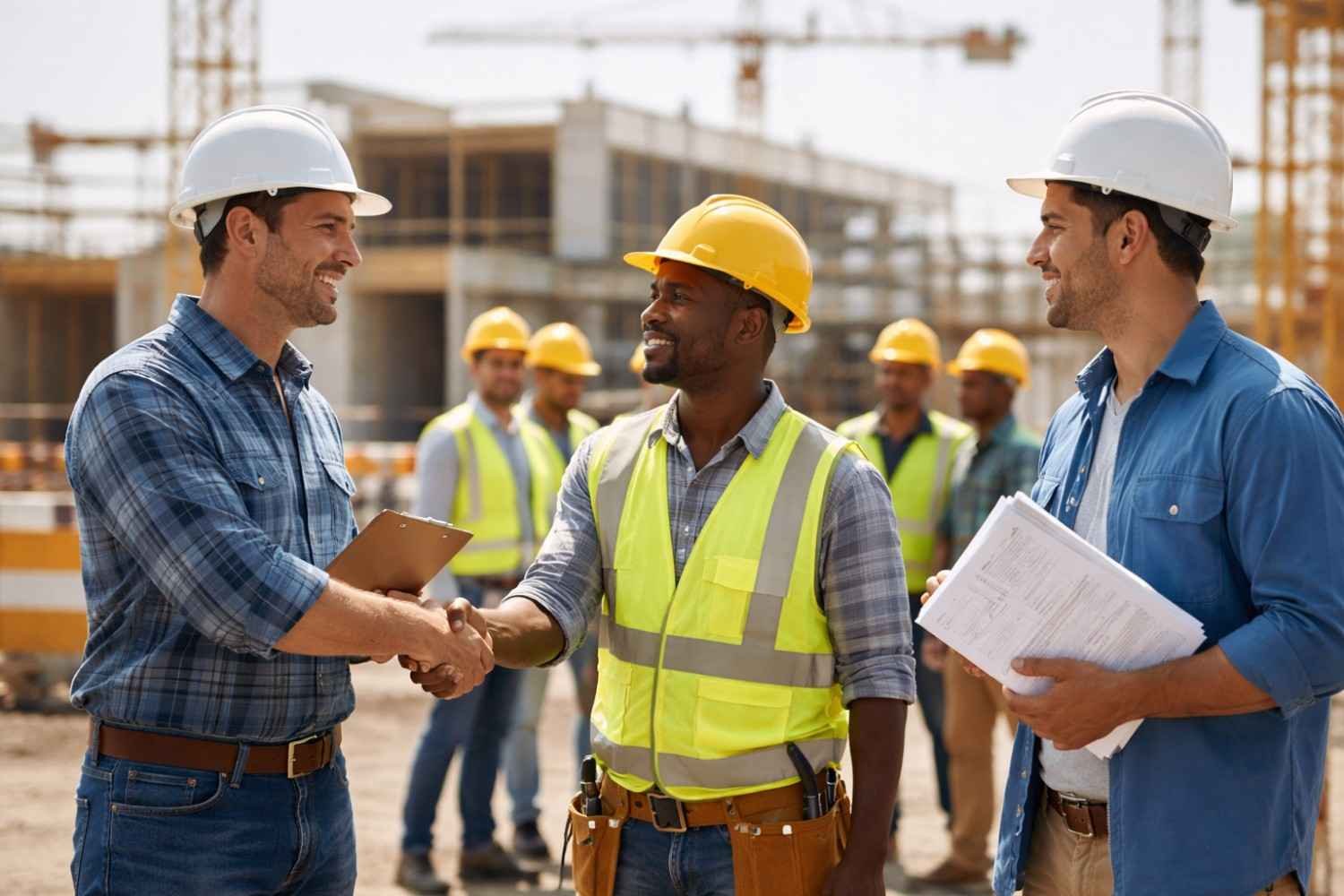
- Selecting Contractors and Vendors: The pre-construction phase also involves hiring contractors, subcontractors, and vendors to provide the necessary materials. Understanding bidding processes helps ensure you choose the right team.
2. Procurement Phase: Sourcing Materials and Resources
In the procurement phase, the materials and resources necessary to build the project are gathered.
- Material Procurement: Based on the finalized design, the construction team will start sourcing materials. This involves ordering everything from concrete to finishes.
- Hiring Labor: Construction requires various specialized labor, such as electricians, plumbers, and HVAC installers, who are selected according to the project’s needs.
- Logistics Management: Efficient logistics ensures materials arrive on time and labor is properly scheduled, preventing delays.
3. Construction Phase: Breaking Ground and Building Up
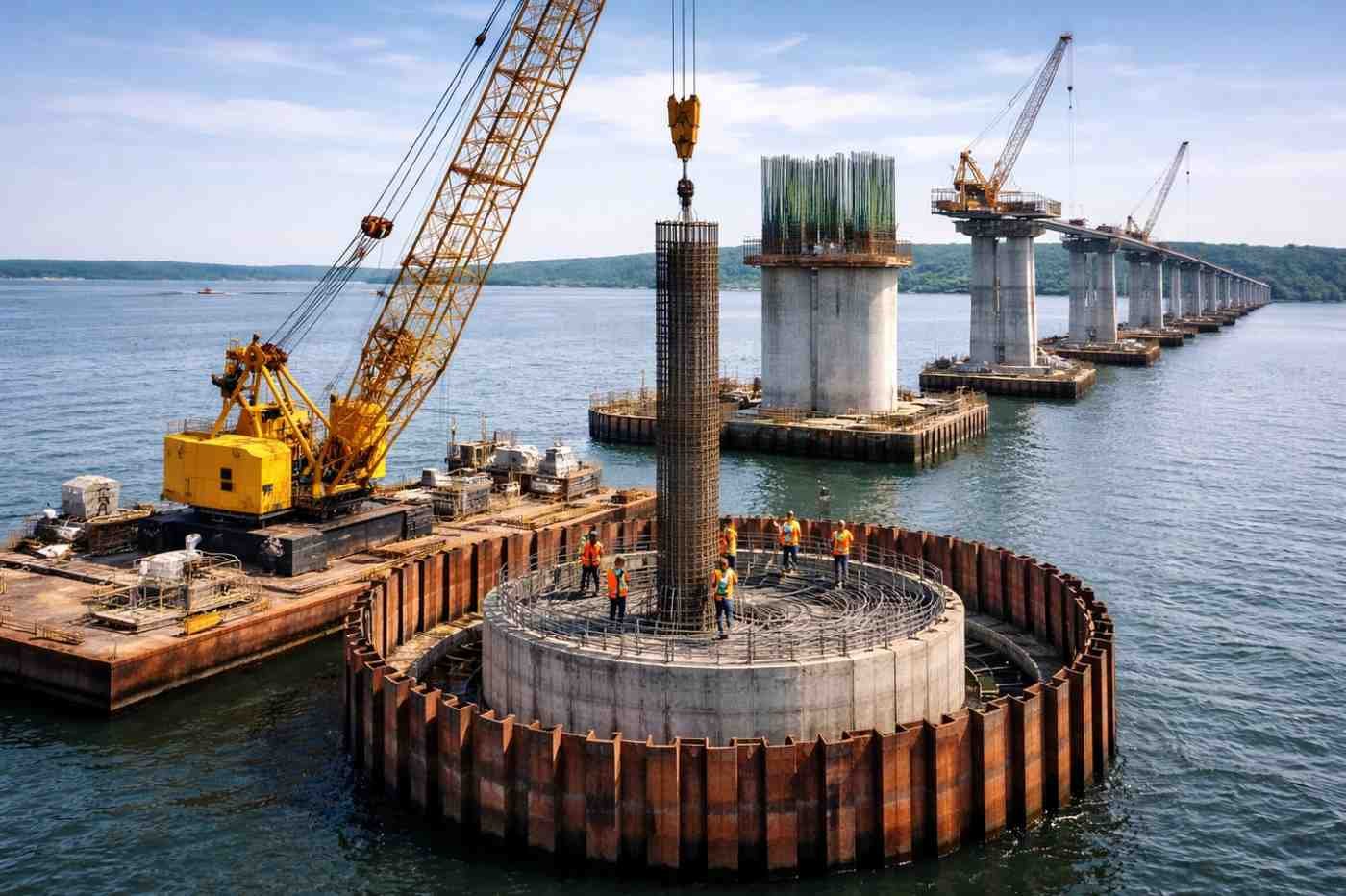
The construction phase is where all the plans and materials come to life. This is the longest phase and involves the physical construction of the building.
- Site Preparation: This includes clearing the land, setting up foundations, and preparing the structure’s base.
- Structural Work: After the foundation is laid, the structural framework is built, including walls, floors, and roofs.
- Mechanical, Electrical, and Plumbing (MEP): Once the skeleton of the building is in place, plumbing, electrical, and HVAC systems are installed.
- Finishes: The final touches, such as flooring, doors, windows, and painting, are applied, transforming the space into a livable or usable area.
4. Commissioning Phase: Testing Systems for Performance
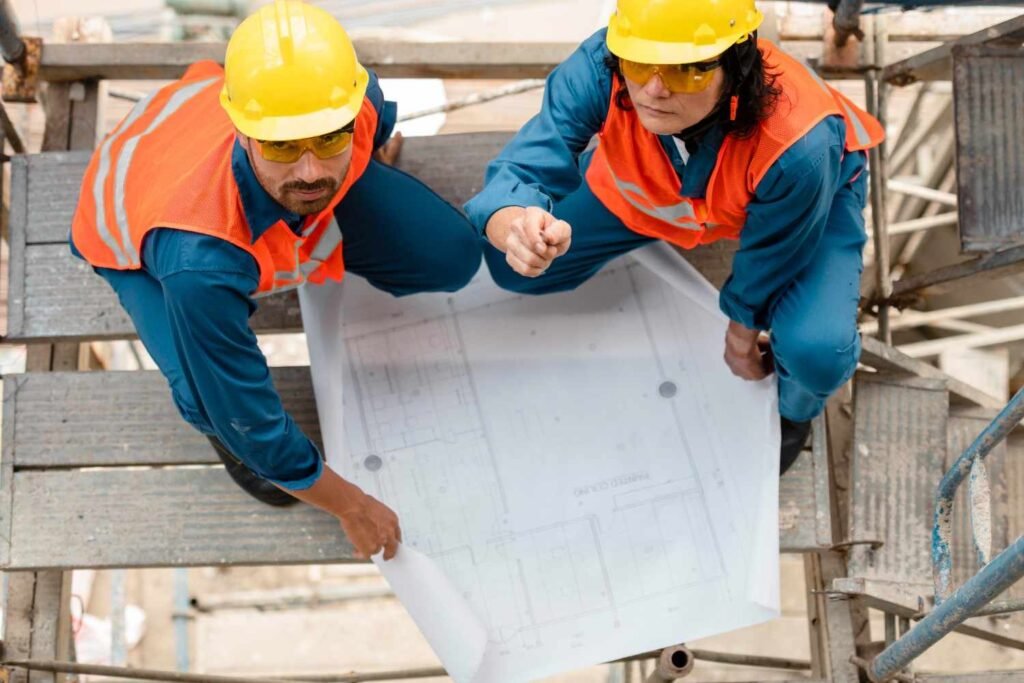
Once construction is complete, systems must be tested to ensure they work as expected.
- System Testing: All systems, including plumbing, electrical, and HVAC, are tested to ensure they meet performance standards and regulations.
- Safety Inspections: Local authorities perform inspections to verify that the building adheres to safety codes and regulations. Once approved, the project is ready for occupancy.
5. Owner Occupancy and Move-In
With everything tested and approved, it’s time for the building to be handed over to the owner.
- Final Walkthrough: Before moving in, the owner and contractor perform a final inspection to ensure everything is in order. This includes checking for any minor repairs or touch-ups.
- Move-In: The project owner can now move in or occupy the building, marking the completion of the construction project.
6. Post-Construction Phase: Ongoing Maintenance
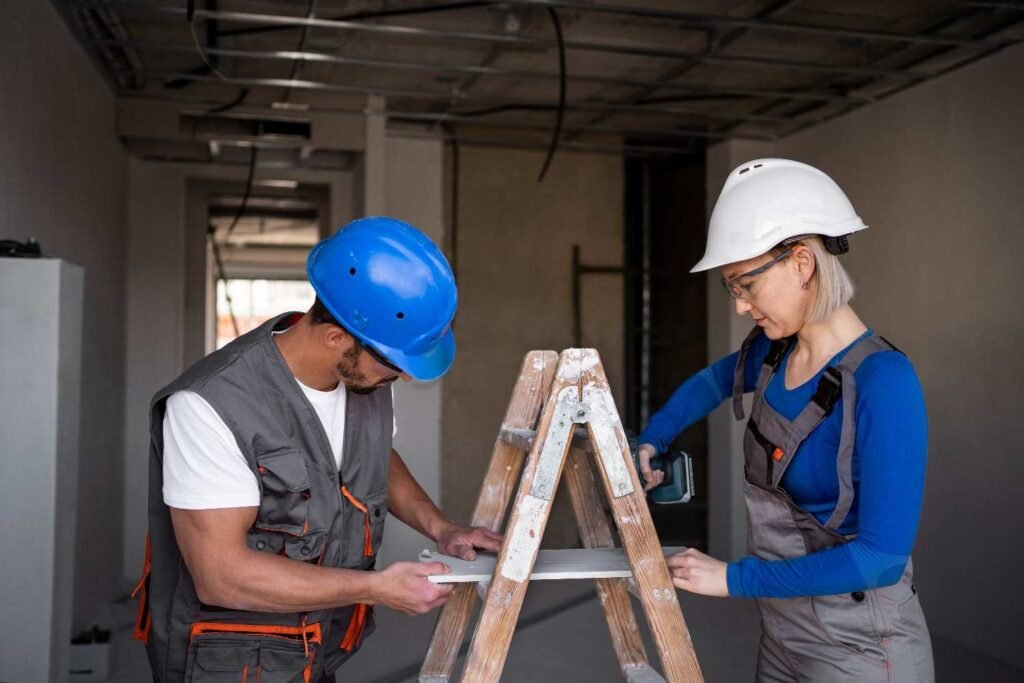
The final phase, post-construction, involves ongoing upkeep to ensure the building remains in good condition over time.
- Regular Inspections: Scheduled maintenance checks ensure that the building’s systems continue to work properly and are updated as necessary.
- Renovations and Upgrades: Over time, some parts of the building may require updates or renovations to keep it functional and modern.
Frequently Asked Questions (FAQs)
What are the deliverables at each stage of a construction project?
Deliverables vary by phase but generally include:
- Pre-construction: Designs, permits, and contractor selections.
- Procurement: Sourcing materials and labor.
- Construction: Structural progress and system installations.
- Commissioning: Functional systems and safety inspections.
- Post-construction: Handover of the property and long-term maintenance.
How long does each phase take?
The duration of each phase can differ based on the size and complexity of the project. However, here’s a rough breakdown:
- Pre-construction: 2-6 months
- Procurement: 1-3 months
- Construction: 6 months to a few years (depending on the scope)
- Commissioning: 1-4 weeks
- Post-construction: Ongoing maintenance
Why is detailed planning important in construction?
Detailed planning ensures that all phases of the project proceed smoothly, on time, and within budget. Without careful planning, projects risk delays, unexpected costs, and safety issues.
Conclusion: A Roadmap to a Successful Construction Project
The stages of a construction project represent a complex but structured process. From the early planning phases to post-construction maintenance, every step is critical to ensuring the final product is delivered on time, within budget, and to the highest quality standards. Whether you are a homeowner, contractor, or project manager, understanding these stages will help you navigate the construction process with confidence.
 1
1