 11
11
The first time I worked a full week from my dining table, I realized something had shifted permanently. My home wasn’t just where I slept anymore. It had become my office, my quiet zone, my gym, and sometimes my sanity saver. That moment changed how I looked at housing—and it explains why remote work is driving suburban real estate growth across the U.S.
I started noticing it everywhere. Friends moved out of cramped apartments. Zillow alerts suddenly focused on suburbs I had never considered before. The question stopped being “How close is it to downtown?” and became “Can I actually live well here?”
This shift isn’t random. It’s structural, lifestyle-driven, and deeply practical.

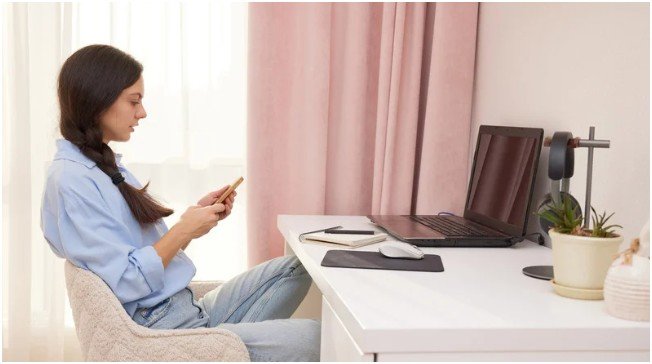
When your job lives under the same roof as your life, square footage starts to matter in a new way. I used to think a home office was a bonus. Now it feels non-negotiable. A spare room, a quiet corner, even a backyard shed suddenly has real value.
Suburban homes naturally fit this new reality better. They offer space that urban apartments rarely can. Separate rooms allow you to shut a door and mentally clock in and out. Outdoor space gives you a reset between Zoom calls. Over time, those small quality-of-life upgrades add up.
This is one of the biggest reasons why remote work is driving suburban real estate growth. Homes aren’t just shelter anymore. They’re productivity tools.

I ran the numbers myself before moving. The cost of a modest city apartment often matched or exceeded a larger suburban home with a yard. Once remote work removed the daily commute, the math became obvious.
Suburbs let people trade rent-heavy living for ownership, or at least more space for the same monthly cost. In the U.S., suburban home prices jumped faster than urban prices during the remote-work surge, and that wasn’t an accident. Buyers followed value.
You’re not just buying space. You’re buying flexibility. That financial breathing room makes it easier to invest in better furniture, home upgrades, or even just peace of mind.
The “Donut Effect” describes something I’ve seen firsthand. Demand hollowed out of dense city cores and surged in surrounding suburban rings. Picture a city like a donut. The center cools off, while the outer rings heat up.
This matters because it explains why suburban values keep rising even as some downtown condos struggle. Late into 2023, the growth gap between urban cores and suburbs in major U.S. metros stretched beyond 40 percentage points. That’s not a blip. That’s a rebalancing.
Remote work stretched the acceptable commute radius. If you only go in once or twice a week, distance loses its power. Time, space, and comfort take over.
I didn’t think I cared about quiet until I had it. Cleaner air, fewer sirens, and actual green space changed how I felt day to day. Remote work didn’t just change where I worked. It changed how I measured a good life.
People now choose homes based on schools, walkability, outdoor access, and mental calm. Proximity to nature beats proximity to skyscrapers. Suburbs deliver that balance more easily than city cores.
This lifestyle shift sits at the heart of why remote work is driving suburban real estate investments and growth. Work adapted to life, not the other way around.

None of this works without reliable internet and collaboration tools. I check broadband availability before I check restaurants. That would’ve sounded ridiculous ten years ago.
High-speed internet, cloud tools, and virtual meetings turned remote work from a perk into infrastructure. Employers now design policies around flexibility, not location. That stability makes suburban moves feel safer and long-term.
Once companies invest in remote systems, they rarely reverse course fully. That’s why this trend feels sticky.
Developers pay attention to patterns long before headlines catch up. I’ve seen new suburban projects built around remote-first living. Think town centers with cafés, co-working hubs, walking trails, and mixed-use layouts.
At the same time, urban office buildings sit partially empty. Occupancy in many cities remains 30 to 50 percent below pre-pandemic levels. Owners now explore converting offices into residential spaces, though zoning and costs slow that process.
This adaptation phase reinforces why remote work is driving suburban real estate growth instead of reversing it.
Step 1: I test the workday reality
I imagine a full Tuesday. Where does my desk go? Is there natural light? Can I take a quick walk between meetings? If the house can’t support my daily rhythm, it’s a no.
Step 2: I check infrastructure first
Internet speed, cell coverage, and power reliability come before aesthetics. A beautiful home means nothing if video calls drop.
Step 3: I think hybrid, not perfect
I assume one or two office days a week. That mindset keeps commute expectations realistic without sacrificing flexibility.
Step 4: I look beyond the house
Groceries, schools, healthcare, and green space matter more when you spend more time locally. Suburbs win when daily life feels easier.
| Factor | Urban Core | Suburbs |
| Space for home office | Limited | Abundant |
| Cost per square foot | High | Lower |
| Commute flexibility | Low | High |
| Outdoor access | Limited | Strong |
| Lifestyle pace | Fast | Balanced |
Yes, if you plan smart. Hybrid work changes the math. A longer commute feels manageable when it happens once or twice a week. The daily comfort you gain often outweighs the occasional drive. I treat office days like appointments, not routines.
Prices won’t rise forever at pandemic speed, but demand remains strong. Remote work stabilized suburban interest. As long as flexibility stays normal, suburbs hold value better than dense cores tied to daily commuting.
You don’t need perfection, but separation matters. A spare room, finished basement, or quiet nook helps protect work-life balance. Suburban layouts simply make that easier.
Ignoring internet and community. Space alone isn’t enough. Reliable connectivity and a sense of local life make or break the experience.
I didn’t leave the city because I hated it. I left because my life outgrew it. Remote work gave me permission to choose comfort, space, and balance without sacrificing ambition.
That’s the quiet truth behind why remote work is driving suburban real estate growth. It’s not about escaping cities. It’s about designing a life that actually fits the way we work now.