 11
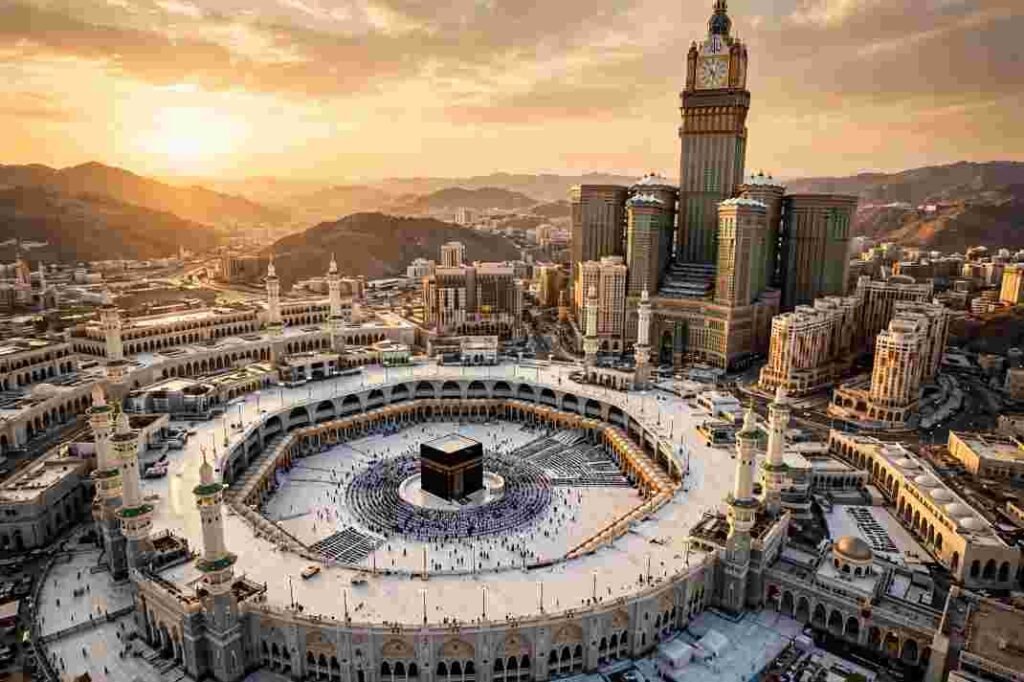
The answer to what new building is planned in dubai is not one tower but a staggered queue of dozens of projects now moving through excavation, piling, and superstructure stages. Anyone trying to read the Dubai construction pipeline in 2026 needs to look at named projects with published completion dates rather than press releases promising futurism.
The emirate currently has more than 320,000 residential units in some stage of planning or construction according to property consultancy data reported by regional business press, and the story of what new building is planned in dubai sits inside that number. For contractors, buyers, and overseas investors alike, the useful exercise is mapping which projects have shovels in the ground versus which exist only as renderings.
The short answer to what new building is planned in dubai covers four categories: supertall towers with announced delivery windows, mixed use master communities on the city fringe, infrastructure linked entertainment districts, and industrial or logistics facilities tied to the airport and port expansions. Each category has different financing, different risk, and different relevance depending on whether you are procuring construction work or buying a unit.
Among the concrete projects, several stand out because they have awarded main contracts and published completion targets. The Uptown Tower was already handed over in 2023, so the live question is not that building but the next wave behind it.
The Burj Binghatti Jacob & Co Residences, a tower planned to exceed 100 storeys, sits among the tallest projects with announced construction milestones, while the redevelopment footprint around Dubai Creek Harbour and Dubai South continues to expand with residential phases released in tranches.
Anyone tracking what new building is planned in dubai needs to distinguish a legally permitted project with a contractor on site from a branded announcement with no enabling works.
The vertical end of the market remains the loudest. Dubai has re-entered the supertall race after a period of consolidation, and the Council on Tall Buildings and Urban Habitat tracks several Dubai entries in its annual tall building data set.
Towers exceeding 300 meters carry a different engineering posture from standard high rise: longer piling programs, deeper basement excavation, wind tunnel testing, and some of the most demanding curtain wall sequencing in the trade. When people ask what new building is planned in dubai with any expectation of concrete detail, the honest answer begins here, because the towers dominate the public conversation and the construction spend.
The Burj Azizi, planned for Sheikh Zayed Road, is designed to reach beyond 700 meters with a mixed program of hotel, residential, and retail floors. Whether it hits that number is a question for the structural and planning teams rather than the marketing department, but the piling and foundation work is a visible indicator.
The project shows up repeatedly in procurement channels and trade press coverage of what new building is planned in dubai because its vertical scale forces a long construction program.
A second cluster sits around the Burj Khalifa and Business Bay, where several towers are under construction with delivery dates stretched between late 2026 and 2028. These are not novelty buildings; they are high density residential and hotel assets tied to the Downtown corridor.
Contractors preparing bids must navigate a competitive market for curtain wall, MEP, and fit-out packages on these towers, while material lead times remain longer than in 2019. Trade professionals seeking opportunities in Dubai’s upcoming construction projects should monitor contract awards rather than rely on architectural announcements.
The bulk of the residential pipeline does not live in the skyline. It sits on the fringes in communities built out across multiple phases, where the delivery rhythm is governed by infrastructure rather than tower construction. Dubai South, DAMAC Lagoons, Tilal Al Ghaf, and the wider Expo City district all carry multi year build programs with apartment and villa releases spread over phased infrastructure handovers.
When buyers ask what new building is planned in dubai that they can actually purchase into, these are the projects that dominate the answer. Explore why they are building so many data centers amid infrastructure growth.
Each community follows a pattern. Developers first build the master infrastructure, followed by roads, utilities, and landscaping, before constructing vertical buildings over several years. In Dubai South, the expansion of Al Maktoum International Airport is shaping development density, as the airport operator plans to establish it as the primary aviation hub over the long term.
Any serious reading of what new building is planned in dubai in the south must treat the airport expansion as the keystone, because the housing, logistics, and industrial facilities all follow the flight network.
Master planned communities matter to the construction industry because they produce repeatable scopes: hundreds of identical villas, hundreds of identical mid rise blocks, and the opportunity for contractors and subcontractors to build a workflow rather than rebuild it project by project.
A builder who understands what new building is planned in dubai in these communities can plan staffing, procurement, and equipment cycles three to five years out.
The residential conversation tends to crowd out everything else, but some of the largest planned buildings in Dubai are hotels, arenas, and civic facilities. Dubai has been adding hotel capacity at a rate far exceeding new international arrivals in some years, and the pipeline of announced branded hotels remains active.
The Expo City site continues to be repurposed into mixed use with event facilities, offices, and residential blocks, and the renovation and fit out of those buildings is a steady source of work for contractors who specialise in conversion.
On the infrastructure side, the Dubai Metro Blue Line adds an entire planning variable. Stations reshape surrounding land value and trigger adjacent developments announced years ahead of the rail opening. Any serious analyst asking what new building is planned in dubai in the 2027 to 2030 window watches the metro map because planned stations predict where density will be permitted.
The Dubai Municipality publishes planning and building permit data that shows which zones are absorbing applications, and that is a more reliable signal than the launch event for a tower.
The table below compares the main categories in the Dubai construction pipeline as of 2026, in terms of what stage they typically appear at, who they serve, and what to watch. Bear in mind that individual projects deviate, and the table is a framing device rather than a forecast.
| Category | Typical Stage in 2026 | Primary Buyer or Client | What Signals Real Progress
|
|---|---|---|---|
| Supertall towers | Piling and superstructure for the tallest; fit out for mid tier | International investors and hotel operators | Main contractor award, tower crane erection, curtain wall mock ups |
| Master planned communities | Phased infrastructure and vertical construction | End users and local buyers | Infrastructure handover and utility connections |
| Hospitality and civic | Fit out, conversion, or new build depending on asset | Hotel groups and government entities | Operator brand announcement and management contract |
| Industrial and logistics | Site prep through to shell completion | Freight, aviation, and light industry | Free zone allocation and utility commitment |
| Metro linked mixed use | Early planning or enabling works | Developers land banking near stations | Plot consolidation and planning submission |
Reading the table correctly answers what new building is planned in dubai more usefully than any single announcement. A tower in piling is close to real. A community in infrastructure handover is close to villa construction. A metro linked district in land banking is a decade scale bet.
Most people tracking what new building is planned in dubai run into the same problem: the announcements outrun the site work. The discipline of verification is straightforward if unglamorous. First, check whether the developer has a registered project with the Real Estate Regulatory Agency, because escrow registration is a legal requirement for off plan sales in Dubai. Discover who is building data centers and managing complex infrastructure projects.
Second, check whether a main contractor has been publicly awarded the work; a project without a main contractor is not, in practical terms, under construction. Third, look for municipal permit activity or enabling works notices, because excavation and piling permits precede every real project by months.
The pattern holds across the pipeline. A project with escrow registration, a main contractor, and site mobilisation is a live project regardless of how the marketing reads.
A project with renderings, a brand partnership, and a future completion date but none of the above is a plan rather than a building. That distinction is what any serious person actually wants when they ask what new building is planned in dubai.
Watch for completion dates that are described in years rather than quarters, project descriptions that lead with the brand name and not the address, and press releases that quote a sales target rather than a construction milestone.
None of these prove a project is fake, but they are signs the announcement is serving the sales effort rather than the construction program. Real projects tend to have granular detail: contract value, contractor name, floor count, and handover quarter.
For anyone in the building trades, the pipeline question is not which tower is tallest but where the work is heading. Dubai has been absorbing contractor capacity at a pace that has started to affect labour availability and material lead times.
Concrete, rebar, glass, and MEP equipment have all seen extended schedules over the past two years compared to the pre pandemic baseline, and the broader UAE construction sector data shows sustained growth in project awards across the emirate.
The practical consequence is that bidding behaviour has changed. Contractors are more selective, joint ventures are more common on large packages, and subconsultant capacity in specialised trades such as curtain wall installation and smart building systems is tight.
Anyone pricing work based on where the pipeline sits should factor in a competitive labour market for skilled trades over the next 24 months. That is the version of what new building is planned in dubai that actually affects a bid decision.
There is also a structural point about procurement. The largest projects in the pipeline are being procured as design and build or as construction management with a managing contractor, which changes the relationship between the developer and the trades.
Specialists who have worked under these models understand the approval cycle and the risk allocation. Specialists who have only worked on traditional lump sum contracts underestimate how much coordination sits between design changes and site instructions.
On the buyer side, the useful version of what new building is planned in dubai is the subset of projects with published handover dates in the next 24 months and a payment plan tied to construction milestones.
Projects with escrow protected milestone payments give the buyer a mechanism to check that progress is real. Projects with payment plans weighted heavily to the booking fee and light on construction milestones deserve more scrutiny.
The supertall tower segment commands the most attention but is not the segment with the most realistic completions in the near term. Master community villas and mid rise residential blocks have shorter construction programs, fewer engineering unknowns, and more predictable handover.
An investor looking at a single tower with a 2029 completion date. Is making a different bet from a buyer looking at a villa in a phased community with a 2027 handover. The question of what new building is planned in dubai for that buyer is really a question about delivery risk.
Three signals will tell you whether the pipeline converts into buildings. First, the pace of main contract awards on the announced supertalls, because without an award a project cannot move to superstructure. Second, the timing of infrastructure handovers in the major master communities, because those unlock the vertical construction phases.
Third, the pace of Dubai Metro Blue Line construction, because it will reshape the surrounding development map faster than any private launch.
Anyone tracking what new building is planned in Dubai through 2028 should prioritize municipal permit records and contract award notices over marketing materials. The pipeline is real, and the buildings will arrive, but the sequencing is what matters for anyone buying, building, or bidding.
A reader who checks the permit record before believing the rendering will be right far more often than a reader who does the opposite.