 11
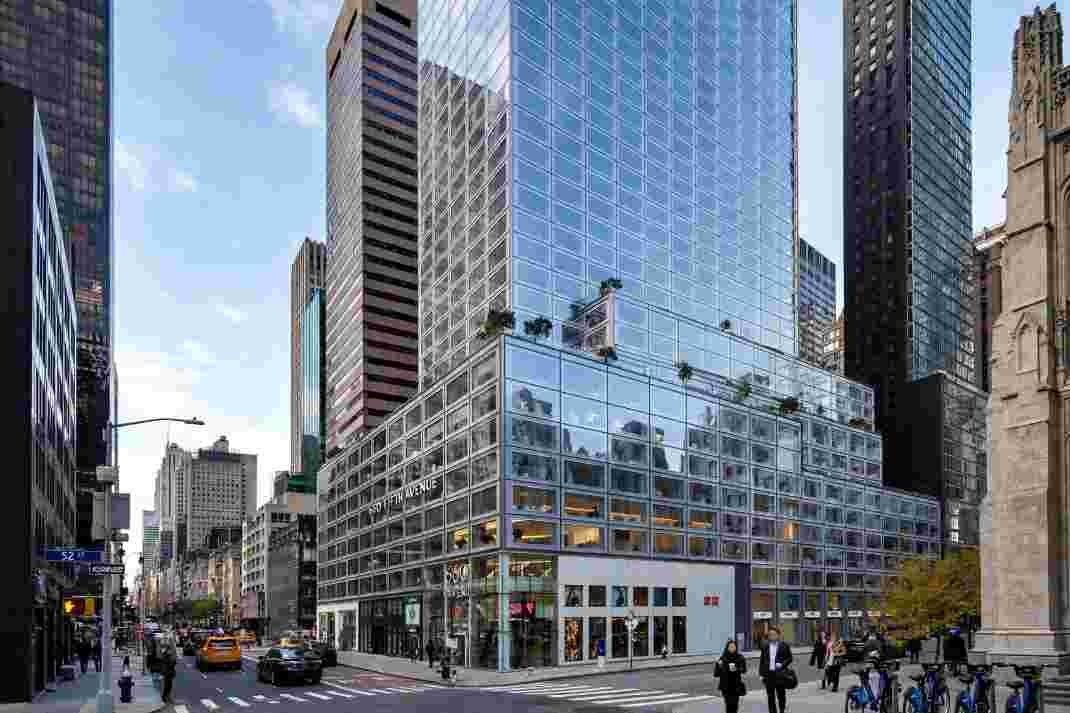
The short answer to the question of who owns the 666 building in New York today is that 666 Fifth Avenue is controlled by Anbang Insurance Group, the Chinese financial conglomerate that took majority control of the property through a 2018 recapitalization after the Kushner Companies deal collapsed under its own debt load. The building, formally known as 660 Fifth Avenue after a 2019 address change, sits in the hands of a foreign insurer that has faced its own regulatory seizures, which makes the ownership picture less tidy than a casual search suggests.
Anyone trying to figure out who owns the 666 building in New York today has to wade through a decade of refinancing, partial sales, address changes, and the unusual status that comes with a property at the center of national press coverage. This is the field guide to that mess.
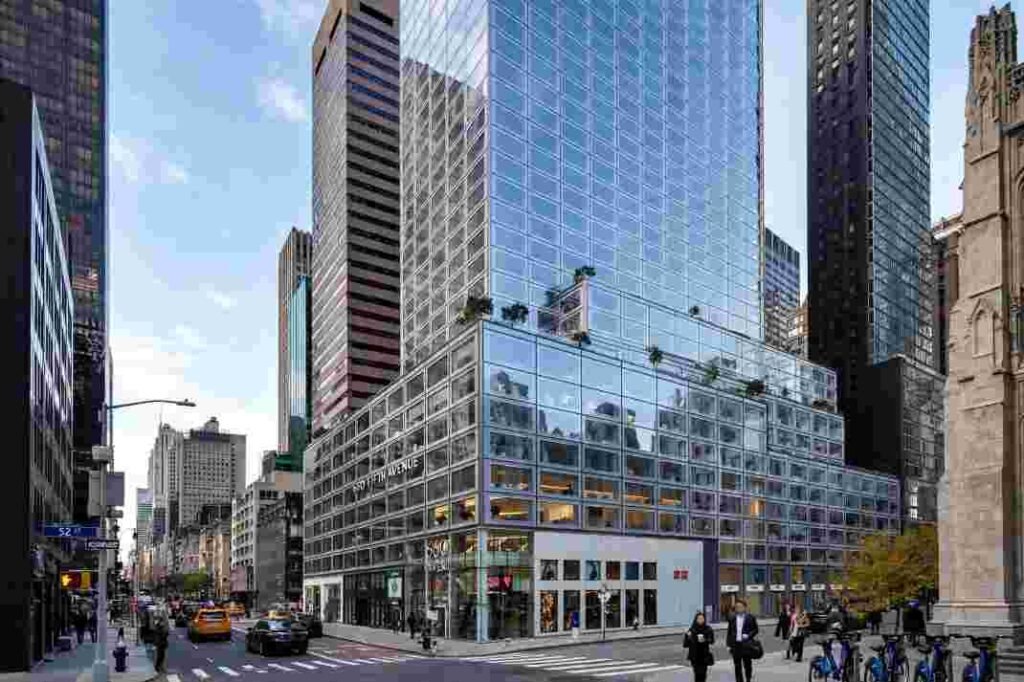
The tower most people mean when they ask about the 666 building is the 41 story office slab at 666 Fifth Avenue between West 52nd and West 53rd Streets in Midtown Manhattan. It was developed in the late 1950s by Tishman Realty and Construction and designed by Carson and Lundin, and it anchored the block as a retail and office address for decades. While its 2007 sale made it one of the priciest transactions in real estate history—often drawing comparisons to the most expensive building in the world—its physical footprint tells a simpler mid-century story. The facade is a curtain wall of aluminum and glass, and the ground floor retail space, historically occupied by tenants like Hickey Freeman and later Uniqlo, gave the tower a visible presence on Fifth Avenue that most office buildings of its vintage never achieved.
The confusion over the name is a real operational problem. In 2019 the ownership group renamed the property 660 Fifth Avenue, partially to distance it from the numeric association with the number of the beast and partially because the building had undergone a comprehensive repositioning that included new lobby frontage, upgraded elevators, and a reclad of the lower floors. So when someone searches for who owns the 666 building in New York today, they are really asking about a property that no longer markets itself under that address, which is why so many online answers are stale or simply wrong.
Anbang Insurance Group, a Beijing based insurer, holds the controlling interest through a 2018 deal in which the company took a 99 year leasehold on much of the building alongside a group of institutional partners.
The transaction valued the property at roughly $1.6 billion in equity and leasehold terms after a $1.2 billion senior loan was placed against it. Kushner Companies, the family firm of Jared Kushner, had purchased the building in 2007 for $1.8 billion, and the recapitalization rescued the asset from a debt structure that was widely regarded as unsustainable.
The ownership story gets tangled because Anbang itself was seized by the Chinese government in February 2018, and its assets were later transferred to a new entity called Dajia Insurance Group. That means the beneficial owner of who owns the 666 building in New York today traces back through a state run insurance restructuring in China.
The building is managed and leased in New York by a real estate operator that works at the direction of that ownership chain, and the day to day leasing decisions flow through a local asset management arrangement rather than a single visible principal.
For a full accounting of Anbang’s regulatory status, the Federal Reserve enforcement action against Anbang Insurance Group documents the U.S. regulatory view of the company and its governance problems. The SEC EDGAR filing archive for Kushner related entities captures the paper trail that shows how the ownership was originally structured and eventually diluted.
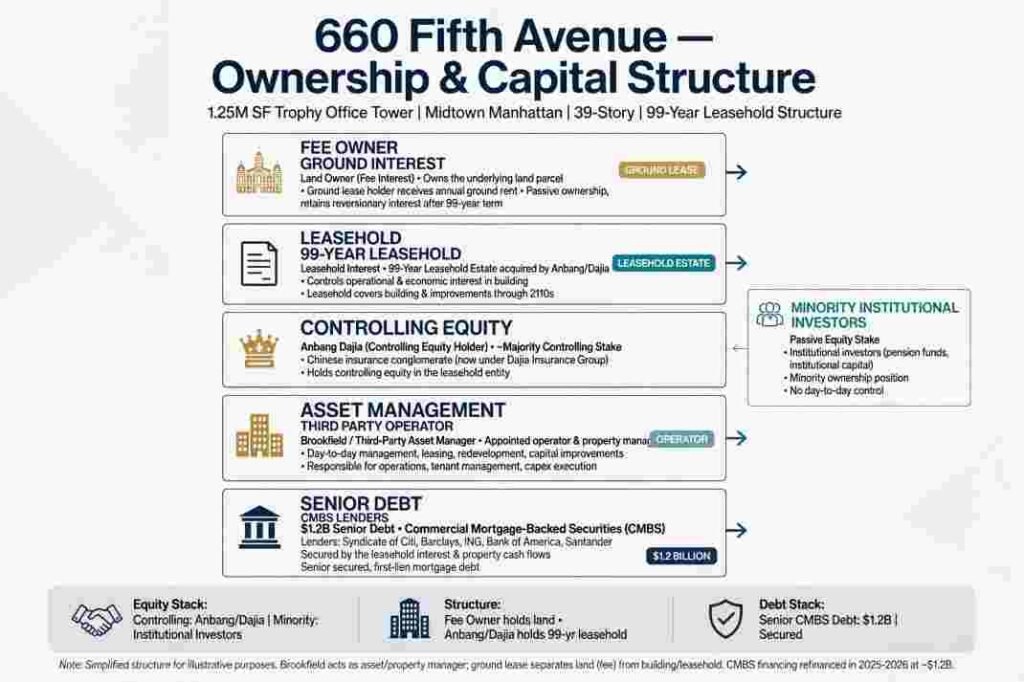
The best way to understand who owns the 666 building in New York today is to look at the layered structure that sits behind the address. Ownership at this scale is never a single name on a deed. It is a stack of holding companies, leasehold interests, and lender agreements. The table below sketches that stack as it stood after the recapitalization.
| Layer | Entity Type | Role in the Property
|
|---|---|---|
| Controlling equity | Anbang / Dajia Insurance Group | Majority interest through a 99 year leasehold |
| Minority partners | Institutional investors and family office entities | Passive equity alongside the controlling holder |
| Senior debt | Commercial mortgage backed securities lenders | Approximately $1.2 billion of first mortgage capital |
| Asset management | Third party operating partner | Leasing, maintenance, tenant relations, and capital planning |
| Ground interest | Fee owner of the land | Retains underlying ground rights subject to the leasehold |
The leasehold versus fee structure matters more than most observers realize. When a building is held under a long leasehold rather than outright fee simple, the buyer is really acquiring the right to collect income from the improvements for a set term. That distinction sits at the heart of who owns the 666 building in New York today, because Anbang’s interest is fundamentally a leasehold arrangement rather than unquestioned title to the dirt itself.
Kushner Companies bought 666 Fifth Avenue in 2007 at the top of the market and immediately ran into the mortgage crisis. The original debt load on the acquisition far exceeded the income the building could produce, and by 2011 the company was renegotiating with lenders to prevent a default on the senior mortgage. A partial equity sale to Vornado Realty Trust in 2011 gave Kushner liquidity but not a full escape, and Vornado later sold its stake back in a transaction that reset the ownership math.
When reporters ask who owns the 666 building in New York today, they often assume the Kushner family still controls it because the family name is so tightly bound to the address in public memory. The reality is that Kushner retained a modest economic interest after the 2018 recapitalization and has no meaningful operational role in the building’s management. The 99 year leasehold sold to Anbang converted a distressed owner into a minority stakeholder, and the property’s future now depends on decisions made far from New York by an insurance entity under Chinese state oversight.
Commercial real estate analysts following the transaction can find background on the broader Manhattan office market in the NYC Department of Finance property assessment records, which document assessed valuations for Fifth Avenue commercial properties across the corridor.
The 2019 rebrand from 666 Fifth Avenue to 660 Fifth Avenue was not simply a courtesy to superstitious tenants. The owner invested heavily in physical improvements that justified a fresh identity: a new curtain wall on the lower elevation, a reconfigured entry sequence, upgraded elevator systems, and a repositioning of the retail podium to attract higher grade tenants.
Leasing materials distributed after the change consistently use the 660 address, and the directory signage was replaced to match. For anyone tracking the ownership of 666 Fifth Avenue through public records, the address change is the single biggest source of confusion when navigating city databases and older press coverage.
Searching “who owns the 666 building in New York today” on most search engines returns a mix of outdated Kushner era articles, speculative conspiracy content about the number itself, and a handful of accurate property reporting pieces. The accurate answer requires cross referencing the current street address against the ownership records, and even then the layered leasehold arrangement means the answer changes depending on whether someone is asking about the fee, the leasehold, the equity, or the management.
Post repositioning, the tower has attracted a mix of financial services, media, and professional services tenants. Retail space at the base has been reworked to serve the Fifth Avenue pedestrian corridor, and upper floors carry floor plates that are competitive with other Midtown office towers of similar vintage. Vacancy at this building has fluctuated with the broader Manhattan office market, and the ownership group has pursued an active leasing strategy to fill space after several anchor tenants departed in the years following the recapitalization.
The U.S. Census Bureau economic census data on Manhattan office and commercial employment offers a useful backdrop for understanding why Fifth Avenue office space has remained a strategic asset even as remote work reshaped the broader market. The building’s ownership is betting on that corridor resiliency, and the leasing team has priced space accordingly.
Three persistent myths circulate about this address, and each one needs to be knocked down for a clean answer.
When people ask who owns the 666 building in New York today, a lot of them are actually asking about ownership status because they want to know whether the property is stable enough to lease space in or invest alongside. The answer to that concern is that the building is fully operational, professionally managed, and financially recapitalized, though the ownership chain carries more regulatory complexity than a typical Manhattan office asset.
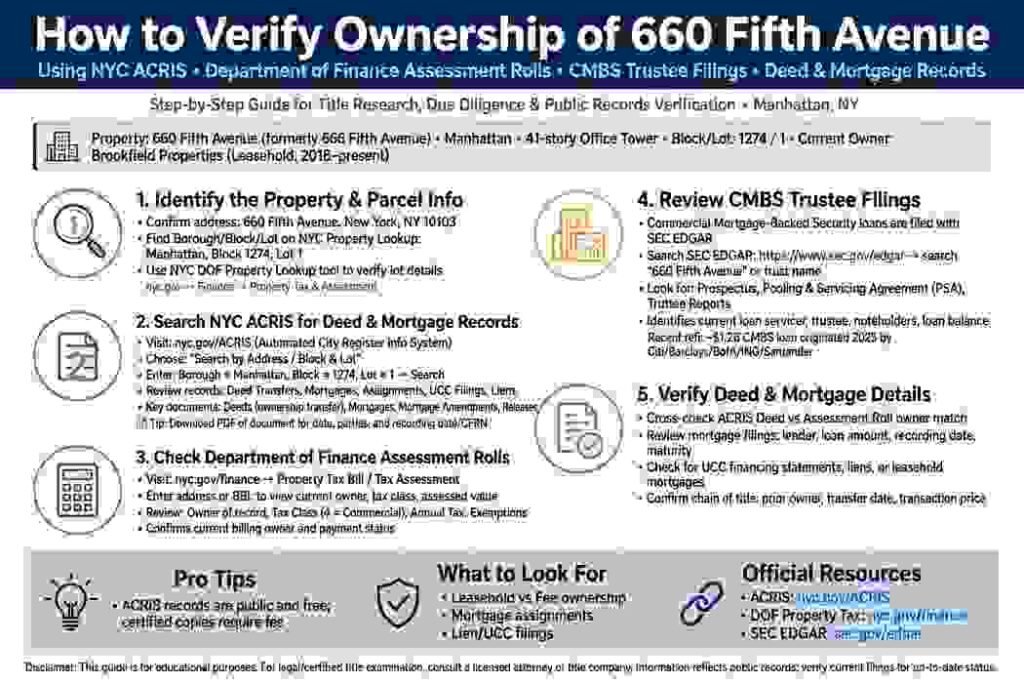
Anyone who needs a direct confirmation of who owns the 666 building in New York today can run the address through the New York City Automated City Register Information System, which tracks deed transfers and mortgage recordings for Manhattan properties. While developers of residential projects might consult technical specifications for modular designs or the BuildBlock building system, commercial title research relies entirely on public land records. Combined with the annual property tax assessment rolls published by the Department of Finance, that record set gives the most reliable picture of title and debt structure. Public filings by the mortgage backed securities trusts holding the senior loan provide additional detail on the loan balance and any modifications.
Analysts who need to verify commercial property ownership in New York generally rely on a combination of ACRIS records, DOF assessment rolls, and loan level disclosures from the CMBS trustee. For 666 Fifth Avenue, the combination shows a leasehold under Anbang with a fee interest retained separately and a first mortgage in the hands of a securitized trust. That is the cleanest verifiable answer to who owns the 666 building in New York today for anyone who wants a paper trail rather than a press summary.
The future ownership of 666 Fifth Avenue depends on what Dajia Insurance Group and its advisors decide to do with the Anbang legacy portfolio. Chinese state insurers have been under pressure to divest overseas real estate holdings as part of a broader restructuring, and there has been periodic speculation in the trade press about a future sale of the leasehold. No transaction has been confirmed as of the most recent reporting cycle, and the current owner continues to operate the building through existing management.
For tenants, brokers, and analysts trying to track who owns the 666 building in New York today, the practical answer is to monitor ACRIS recordings, follow the Dajia divestment announcements, and treat any ownership claim that predates 2018 as historical rather than current.
The address may have been rebranded, and the ownership may live behind layers of leasehold and insurance holding entities, but the building itself remains one of the more closely watched properties on Fifth Avenue because of the combination of its unusual size, situs, and the turbulent decade of ownership that followed the Kushner acquisition. Any ownership change will be visible first in the mortgage recording records, not in a press release.