 11
11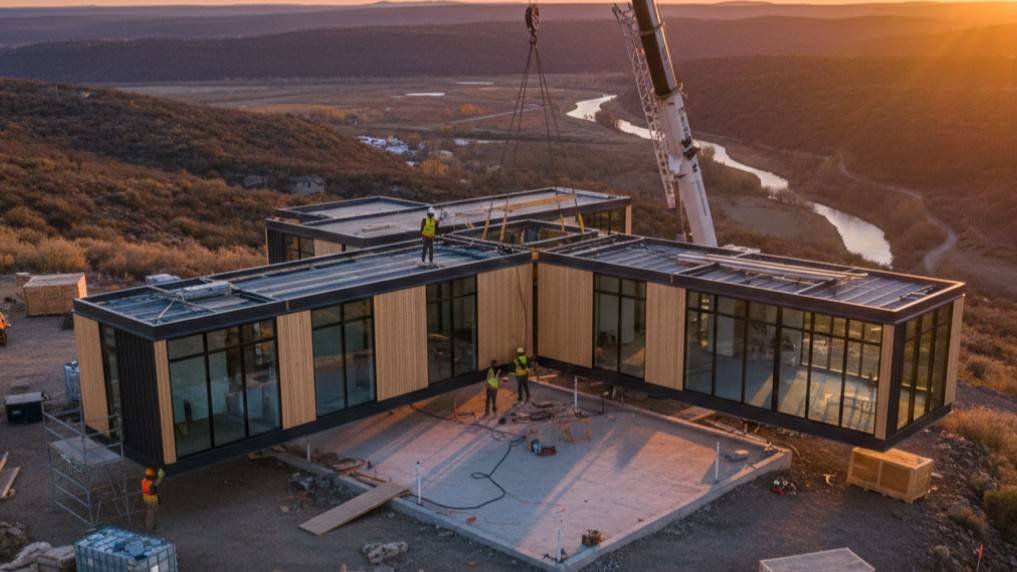
When I first heard about prefab homes, I’ll admit, I imagined something like a temporary shelter. But once I dug deeper, I realized prefab homes are way more than that. They’re sleek, energy-efficient, and most importantly, they’re changing how we think about homebuilding. If you’ve ever wondered whether prefab homes are the right choice for you, here’s a deep dive into the benefits of prefab homes.
From cutting down construction time to offering a sustainable, cost-effective alternative to traditional builds, prefab homes have become the future of housing. So, let’s get into the reasons why you should seriously consider a prefab home for your next investment.
Prefab homes, short for prefabricated homes, are built in a factory and then assembled on-site. The majority of the construction process takes place off-site, which makes these homes significantly faster and more affordable to build than traditional houses. While they were once known for their cookie-cutter designs, today’s prefab homes are customizable, energy-efficient, and stylish.
You might be thinking, “Are prefab homes really that much better than traditional ones?” The answer is yes, especially when you consider the benefits of prefab homes like faster build times, reduced costs, and environmental sustainability.
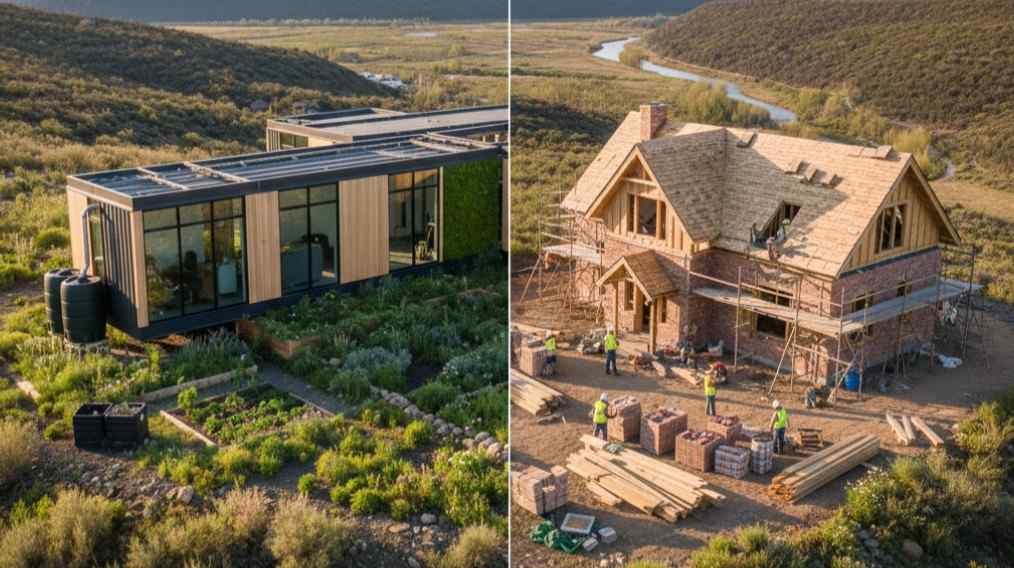
The first thing you’ll notice when you look into prefab homes is their rapid construction timeline. Prefab homes can be completed anywhere from 20% to 50% faster than traditional homes. Since the majority of the construction happens in a factory, weather delays are a thing of the past. Factory production is done under controlled conditions, and site preparation can happen simultaneously, cutting down the total time to move in.
Whether you’re looking to move quickly for personal reasons or simply want to save time, prefab homes offer a great solution. You can expect your home to be ready in weeks to a few months, compared to the 6 months to 2+ years it can take for a traditional home to be fully built.
When it comes to the cost benefits of prefab homes, you’re looking at an average savings of 10% to 20% compared to traditional homebuilding. These savings come from reduced labor costs, bulk material purchasing, and fewer surprises during construction. Traditional homes often experience budget overruns due to site delays and unexpected issues, but prefab homes are much more predictable in terms of pricing.
Moreover, prefab homes are often built using recycled and sustainable materials, further reducing costs. This makes prefab homes an ideal choice for anyone looking to build a home on a budget without compromising on quality.
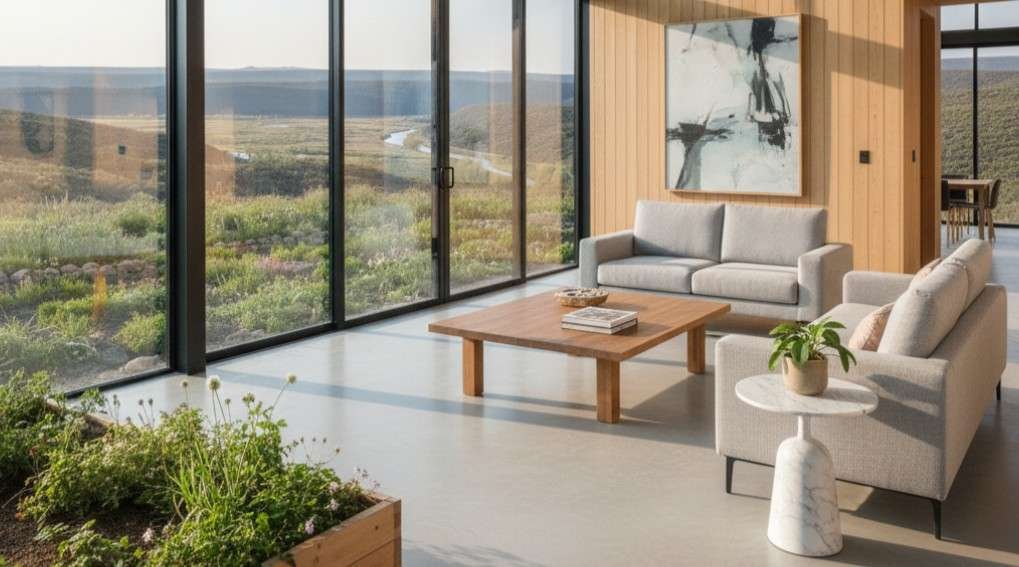
A major benefit of prefab homes is the high level of quality control during construction. Because these homes are built in a factory, they are sheltered from the elements. This allows manufacturers to monitor the entire process, ensuring precise measurements and rigorous inspections. In fact, many prefab homes boast a defect-free rate of over 95%.
Traditional homes are more prone to issues like structural weaknesses or environmental damage because construction occurs on-site, often in unpredictable conditions. Prefab homes are built in a controlled environment, so they tend to have fewer issues during and after construction, providing long-lasting value for homeowners.
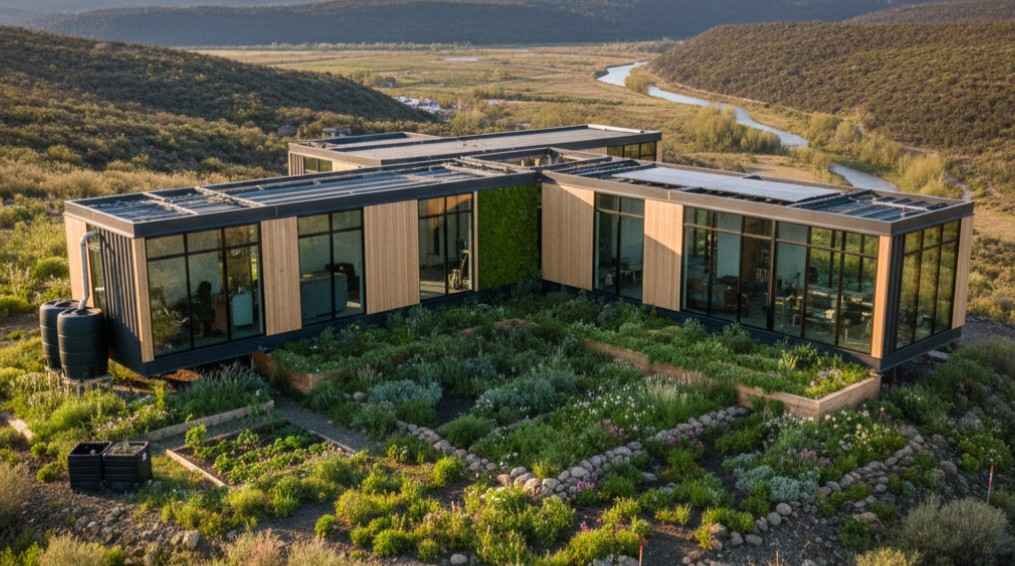
Prefab homes are green—and I’m not just talking about their cool, minimalist designs. These homes are built with sustainability in mind, using energy-efficient insulation, triple-glazed windows, and eco-friendly materials. This makes them ideal for anyone looking to reduce their carbon footprint.
Since prefab homes are built in a factory setting, material waste is minimized because manufacturers can recycle and reuse leftover materials. In addition, many prefab homes include solar panels, rainwater collection systems, and low-energy appliances. If you care about your home’s environmental impact, prefab homes are a solid option for sustainable living.
Building a prefab home doesn’t have to be a stressful process. Here’s how to do it:
Step 1: Find Your Ideal Land
Before you can start building, you need to secure a plot of land. This is where you’ll build your prefab home. Make sure the land is zoned for residential use and check for access to utilities.
Step 2: Choose Your Prefab Design
Next, work with a prefab company to choose a design that fits your needs. Many companies offer a variety of floor plans and customization options. This is where you get to make your home truly yours!
Step 3: Permitting and Pre-Construction
Before construction begins, you’ll need to get the necessary home improvement permits. Many prefab companies will assist you in this process. Once you’ve secured the permits, construction can start in the factory while site preparation happens on your land.
Step 4: Delivery and Assembly
Once your prefab home is ready, the sections are transported to your property. They are then assembled on-site by a team of professionals, who will also handle utilities and final inspections.
Step 5: Final Inspection and Move-In
After the home is assembled, there will be a final inspection to ensure everything is in working order. Once everything checks out, it’s time to move in!
Prefab homes typically take 4 to 6 months to build, which is much faster than the 1-2 years it can take to build a traditional home. The majority of the time is spent manufacturing the modules, which are then transported and assembled on-site.
Yes! Many prefab companies offer extensive customization options. You can choose your floor plan, finishes, and even architectural style. From modern minimalism to rustic charm, prefab homes can be designed to suit your personal taste.
Absolutely! Prefab homes are built to meet local building codes and can withstand extreme weather conditions. Additionally, many companies offer optional upgrades like reinforced framing or enhanced insulation to make your home even more resilient.
The cost of prefab homes varies depending on the size, design, and location. On average, prefab homes cost 10% to 20% less than traditional homes. The total cost will also depend on the land you choose and any customizations you add to your design.
So, are the benefits of prefab homes enough to convince you? Whether you’re looking for an affordable, sustainable, and stylish living option or you just want a home that’s faster to build prefab homes are just the thing! They offer a fantastic solution for modern living. If you want to save time, reduce costs, and minimize waste while still getting a high-quality home, prefab is the way to go. Modular homes and 3D printed homes are also changing the housing market.
Tip: Prefab homes are built for energy efficiency, so make sure to ask about solar power options. It’s a great way to further reduce your utility costs and increase your home’s sustainability.