 11
11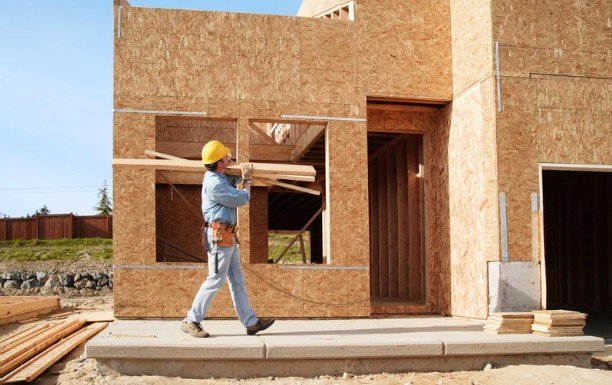
Scroll through listings for a week and you’ll bump into both options constantly: a brand-new build sitting next to a thirty-year-old resale, often just streets apart and priced surprisingly close. They can look like two versions of the same decision. They aren’t. The differences run deeper than age, and they shape almost everything about how the next several years of ownership will actually feel.
A resale home comes with history, whether the listing photos show it or not. Somebody lived there. The roof has weathered a few winters, the water heater has logged some hours, and the systems behind the walls are whatever age they happen to be. A brand-new home skips all of that. Everything is fresh out of the box: new roof, new mechanicals, new everything, with nothing yet asking to be replaced.
That doesn’t make resale a bad bet. Plenty of older homes have been meticulously maintained and come with mature landscaping a new build can’t fake. It just means the condition question gets answered very differently depending on which path you choose. A pre-purchase inspection matters either way, but it carries more weight on a resale, since that’s where the real unknowns tend to hide.
Price comparisons between new and resale rarely tell the full story on their own.
A resale home might list for less per square foot in a given neighborhood, but that number doesn’t include the repairs waiting in the wings. A new build often costs more upfront and comes with a warranty that covers major systems for the first several years, which can offset a chunk of that gap before you’ve even moved in.
Buyers who compare only the listing price, without factoring in likely near-term repairs on one side or warranty coverage on the other, end up comparing two numbers that aren’t really measuring the same thing.
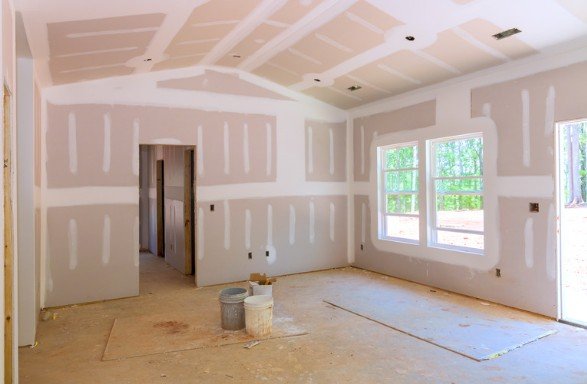
This is where the paths split hardest. Buy resale and you’re choosing from what already exists, finishes and floor plan included, take it or leave it. Buy new, especially early in a development’s build-out, and you may get to choose flooring, countertops, cabinet colors, and sometimes even shift a wall or two before construction wraps.
That flexibility comes at a cost (literally, in upgrade fees, and in time, since custom selections can add weeks to a build schedule), but for a buyer with strong opinions about their kitchen, it’s often worth both.
Here’s a difference that catches first-timers off guard more than almost anything else.
Closing on a resale home generally follows a familiar, fairly predictable timeline, often somewhere around thirty to forty-five days from accepted offer to keys in hand. Barring inspection surprises, what you see is close to what you get, on a schedule you can actually plan around.
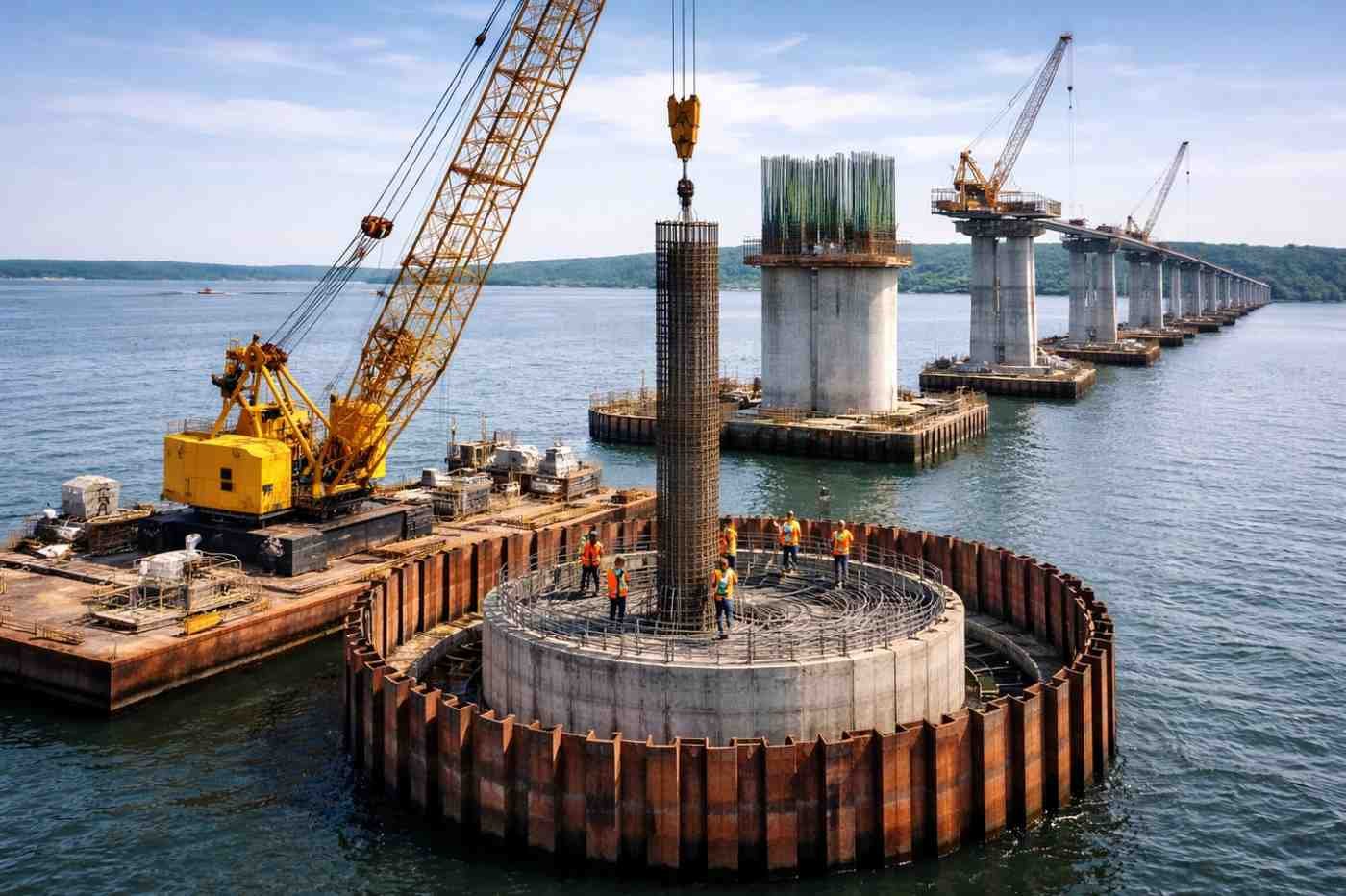
Financing tends to move just as predictably, since the home already exists and an appraiser can walk through it the same week the offer gets accepted. That kind of clear process feels much simpler than trying to plan something complex from scratch, like how to build a bridge over water.
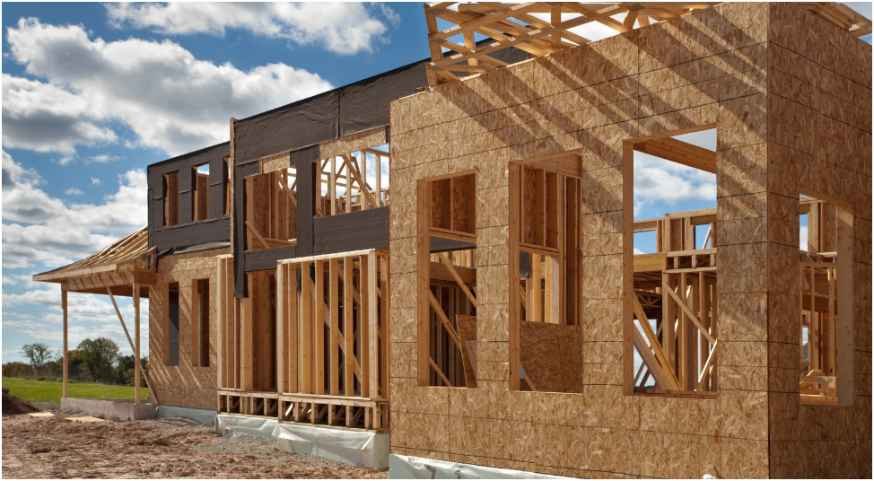
Buying new construction, especially a to-be-built home, means signing on for a process that can stretch many months, sometimes well over a year depending on the stage of construction and how busy the builder’s crews are. Move-in dates shift. Weather delays happen.
Material backorders happen. Anyone who needs to be settled by a hard deadline, a school year, a job start date, a lease expiration, should weigh this timeline risk seriously before falling for the appeal of a brand-new home.
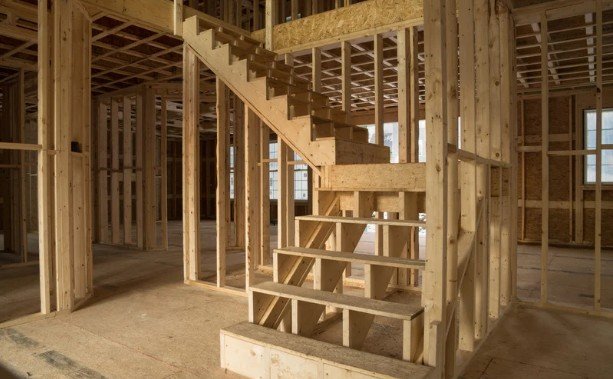
A resale home usually sits in an established neighborhood: grown trees, settled landscaping, neighbors who’ve been there a while, and a clear sense of what the area actually feels like day to day. A new build, particularly in a development still under construction, comes with younger landscaping, ongoing construction noise nearby, crews who may still need to hire construction workers for later phases, and a community that’s still finding its shape.
Some buyers love getting in early and watching a neighborhood come together. Others would rather skip the construction trucks entirely and move somewhere that already feels finished. There’s also the question of how the surrounding area will look in five or ten years. A resale neighborhood has mostly already revealed its long-term character, while a new development is still being written, for better or worse.
This is one of the clearer wins for new construction. With everything freshly installed, the first few years of ownership tend to be light on big-ticket repairs, which matters a lot to buyers who’d rather not gamble on an aging furnace or a roof nearing the end of its life. Resale buyers can manage this risk with a thorough inspection and a clear-eyed look at the age of major systems, but the unknowns simply run higher than they do with something built last year.
Neither option wins across the board; they trade advantages depending on what a buyer actually values. Buyers comparing newly built townhomes for sale in Payson against resale options nearby often find the decision comes down to three things: how much flexibility they want on finishes, how firm their move-in timeline really is, and how much risk they’re willing to take on aging systems versus paying a premium for everything being new. None of those answers are right or wrong.
They’re just different trade-offs, and the right one tends to become clear once they’re laid out side by side instead of compared in the abstract.
New construction and resale aren’t competing on the same terms; one trades predictability for customization and modern systems, while the other trades a faster timeline for an established neighborhood and a known price. Get clear on which trade-offs actually matter for your situation, and the right path tends to become obvious fast.