 11
Most of the features people call must haves when building a new home are really just upgrades that got promoted by a Pinterest board and a builder’s sales brochure. The distinction matters, because a house built around aspirational finishes and a house built around structural decisions you cannot reverse later are two different projects with two different budgets.
The must haves when building a new home break into two tiers: the items that are brutally expensive or impossible to change after the foundation goes in, and the items that are merely nice to select early. Sorting your list into those two columns before you sign anything is the single most useful exercise of preconstruction.
Any production builder will hand you a design center binder with a few hundred options, and the sales staff is compensated on the upgrades you select, which is worth knowing before you walk into that appointment. The National Association of Home Builders tracks what actually goes into new single-family homes through its annual characteristics of new home construction research, and the gap between what buyers say they want and what gets installed is instructive. Walk through a new subdivision and count the two-story foyers nobody uses.
The practical filter is reversibility cost. Replacing a light fixture takes an afternoon and a few hundred dollars. Moving a load-bearing beam, rerouting a main drain line, or adding a second story after the fact runs into five figures before labor.
The must haves when building a new home should sit almost entirely in that irreversible column, and everything in the cosmetic column belongs on a separate wish list you can fund later or skip without consequence.
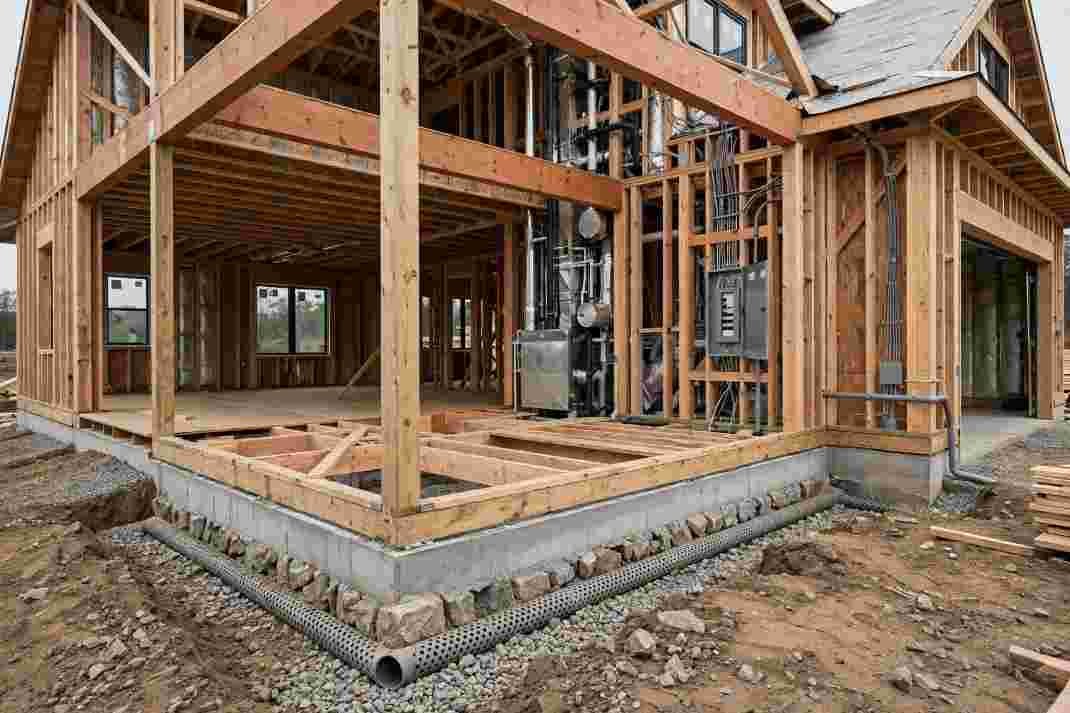
Water is the slowest and most expensive enemy of a house, and the drainage plan is set before the first truck arrives. Insist on a grading plan that moves surface water away from the foundation on every side, not just the side facing the street, and ask for the lot’s soil report if the site has any fill dirt.
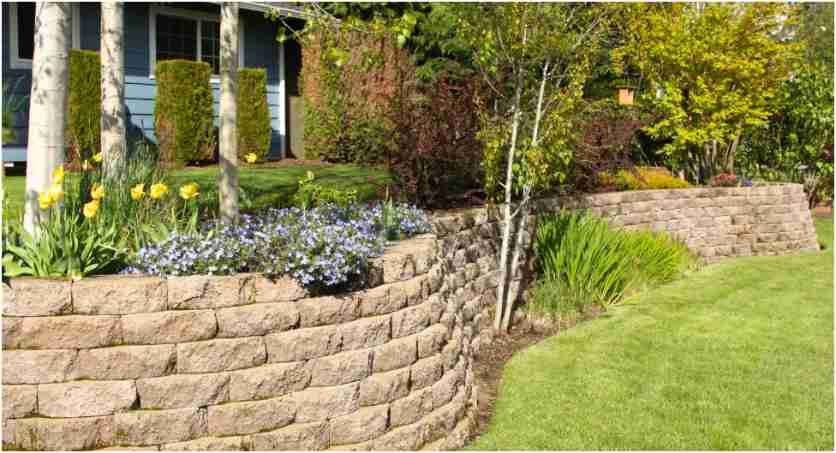
For properties with sloped terrain or significant changes in ground elevation, selecting the right retaining wall for your outdoor project can also help manage soil movement and support effective site planning.
The American Society of Civil Engineers publishes site and foundation standards that competent builders already work to, and the ASCE civil engineering reference material is a fair benchmark for the questions worth asking your builder and your engineer.
Bearing walls, beam spans, and the placement of the mechanical chase determine what you can do to the interior in fifteen years. Spend the money on a framing plan that gives you a wide-open main floor and a generous mechanical core, because both are effectively permanent. If you think a finished basement or a future bathroom is a possibility, rough in the plumbing now. The rough in costs a fraction of the retrofit and disappears behind drywall where nobody notices it.
A 200 amp panel is the floor for a modern home with an electric range, a heat pump, and a garage set up for vehicle charging. Ask for the load calculation in writing and plan conduit runs to the attic, the garage, and any exterior wall where you might want power later. Conduit costs almost nothing during construction and saves you a drywall repair bill the first time you add a circuit.
The building envelope is where energy performance lives, and it is also the part of the house you will never see again. Ask your builder to specify the window U-factor and the wall insulation R-value in the contract, and compare those numbers against the U.S. Department of Energy guidance on designing and building efficient homes.
A cheap window package is a permanent decision with a permanent utility bill attached.
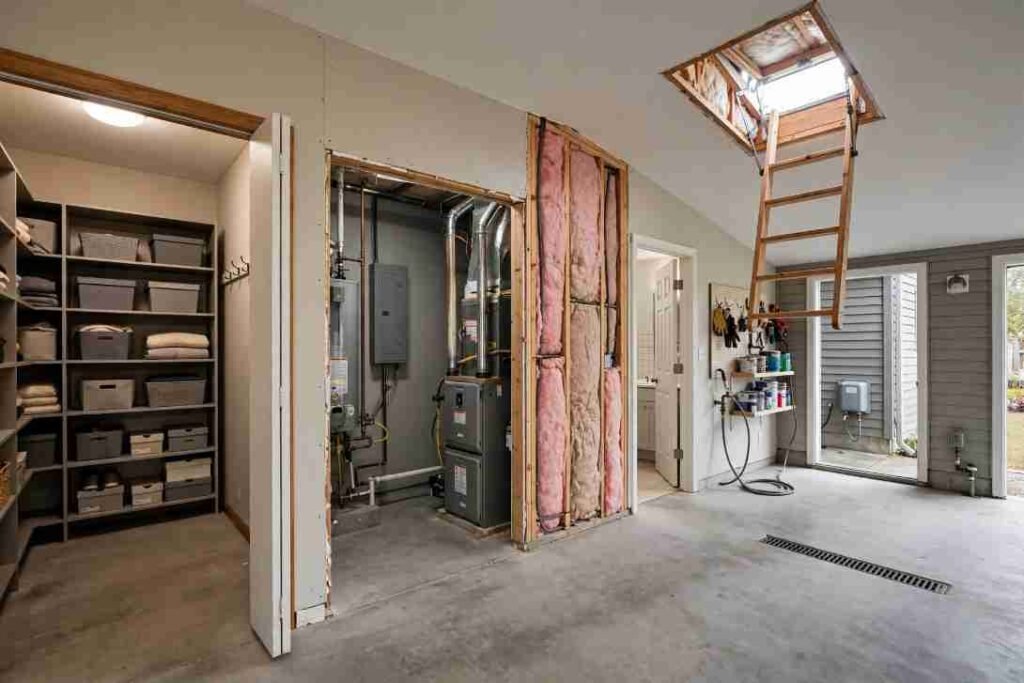
The expensive mistakes on custom builds tend to be omissions rather than additions. These are the items that never make it onto the design center checklist and get discovered the hard way.
The pattern across that list is that every item is cheap during construction and costly or impossible afterward, which is the exact definition of a must have rather than a nice to have.
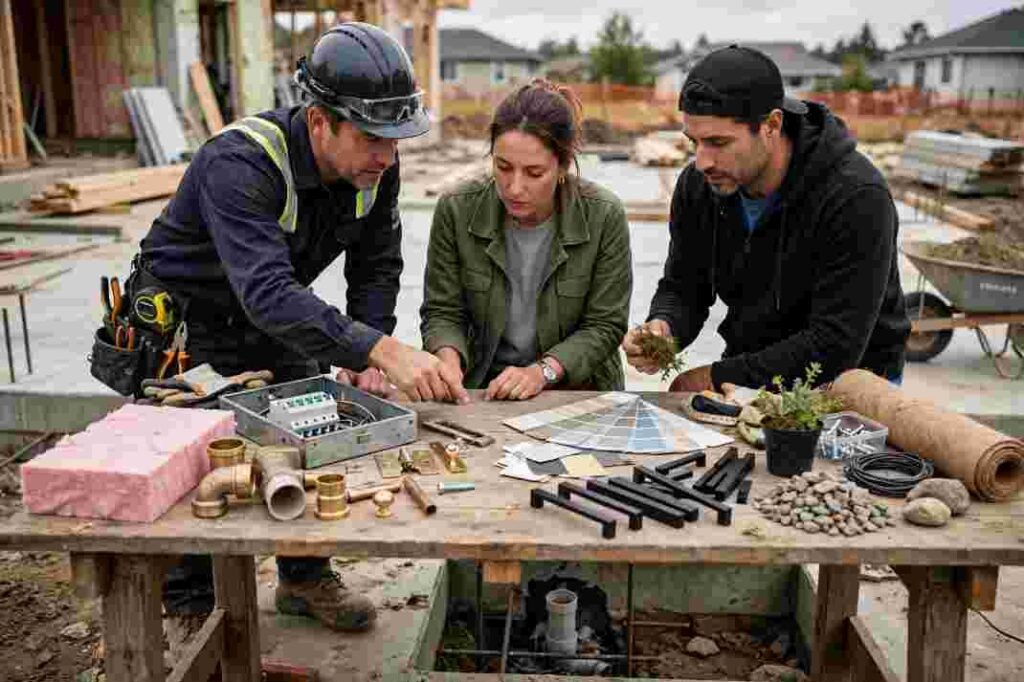
Use this table to sort your own list before you meet with the builder. Anything in the first column deserves budget protection; anything in the third column can wait for a future phase.
| Feature | Reversibility | Typical Cost During Build | Cost If Added Later
|
|---|---|---|---|
| Plumbing rough in for a future bath | None after slab and framing | Low, often under a few thousand | Five figures once drywall and slab work is involved |
| Electrical panel capacity and conduit | Very low | Modest upgrade at rough in stage | Panel replacement plus drywall repair |
| Interior wall sound insulation | None after drywall | Hundreds of dollars in materials and labor | Demolition and rebuild of the wall |
| Window specification and glazing | Low, replacement is a full envelope job | Locked in at contract signing | Full window replacement at retail pricing |
| Kitchen cabinet hardware | High, swapped in an afternoon | Varies widely | Cheap and easy anytime |
| Paint color and interior finishes | High | Varies | Routine repaint cost |
| Landscaping and hardscape | High | Often deferred by builders | Can be phased across several years |
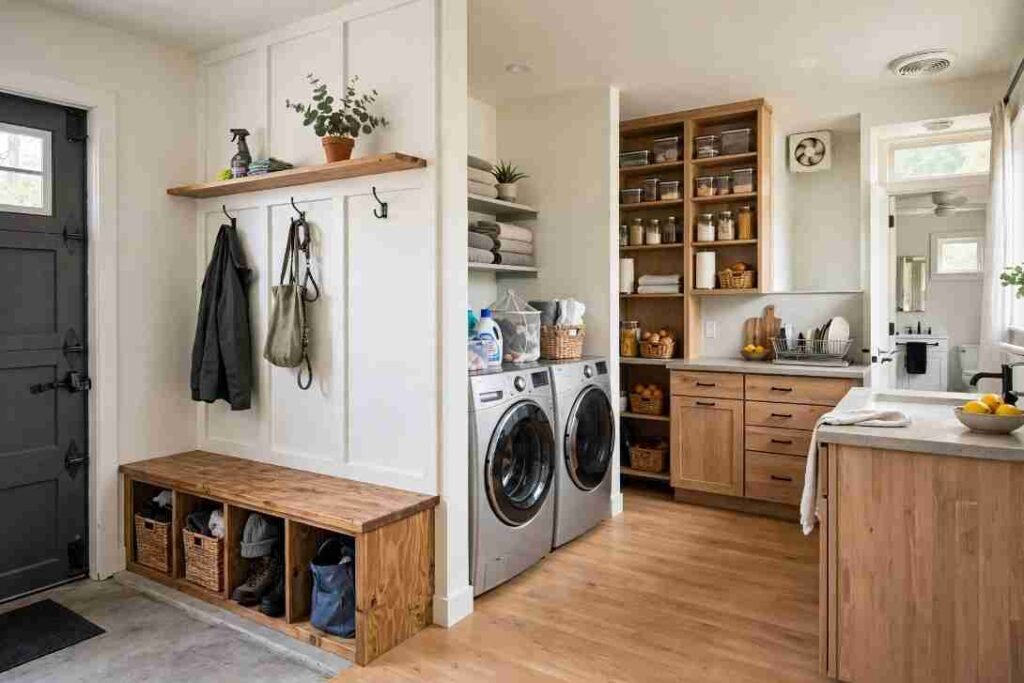
Once the structural list is locked, the remaining budget goes to functional comfort items that a household will notice daily. A mudroom with a bench and cubbies near the garage entry does more for a family of four than a decorative ceiling treatment in a room nobody enters. A laundry room on the same floor as the bedrooms saves thousands of steps over a decade, and most buyers do not evaluate the walk from bedroom to washer until they have already moved in.
Kitchen storage is the second functional decision worth protecting. Drawers on the lower cabinets instead of doors, a pantry with adjustable shelving, and a counter run long enough to hold the appliances that actually get used. The U.S. Department of Housing and Urban Development community planning resources and many municipal building departments publish local code and inspection documentation that clarify what the builder is required to provide versus what they offer as an upgrade, and that distinction is worth reading before the design center appointment.
Bathroom ventilation is another item that gets underfunded and matters every single day. A genuinely quiet, adequately sized exhaust fan in each full bathroom prevents the condensation that rots trim and peels paint, and the difference between the cheapest fan and a good one is a couple hundred dollars.
Every household has a different line between the two categories, and the useful discipline is writing both lists down and pricing them separately before construction starts. The must haves when building a new home should stay within the construction loan; the wish list items should sit in a separate account and get funded in order of how much they annoy you after the first year of living in the house.
Two habits protect the must have budget from being raided. The first is a written contingency in the loan, commonly ten percent of the construction cost, which is reserved for surprises rather than finishes. The second is a rule that any upgrade selected after framing starts must be paid from the wish list account, which forces a real tradeoff instead of an emotional one. Contractors do not like change orders late in a build, and the trades will charge for the disruption whether the change is small or not.
Walk into that meeting with the structural list, the functional list, and a printed copy of your lender’s contingency figures. Ask the builder to mark every item on your list as either permanent, meaning it must be decided before framing, or deferred, meaning it can be added later at reasonable cost. That labeling exercise is more valuable than any three dimensional rendering, because it converts a subjective argument about taste into a straightforward scheduling problem.
Before finalizing construction plans, buyers should also evaluate the location and surrounding amenities by reviewing this guide to choosing the right new home community.
The must haves when building a new home are the decisions that cost the least today and the most tomorrow, and the household that builds its list around that single sentence will spend its money where the house will hold it.