 11
11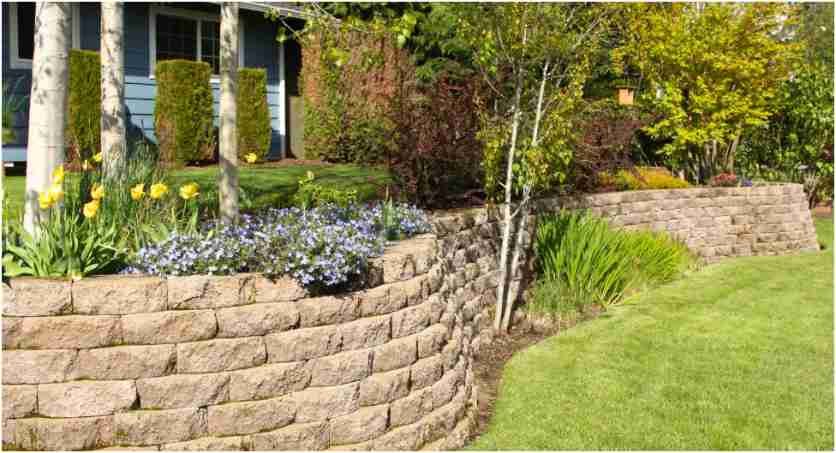
A retaining wall can turn a sloped yard into a usable outdoor area that feels neat, safe, and planned. It can support soil, frame a patio, protect garden beds, and create level space for daily use. The best wall suits the land first, then adds style that fits the home.
A smart choice starts with soil type, slope, drainage, wall height, and the way people use the yard. Good custom brick retaining wall builders look at these details before suggesting brick, block, stone, or another solid option. That careful approach helps the wall feel like part of the outdoor space, not a random add-on.
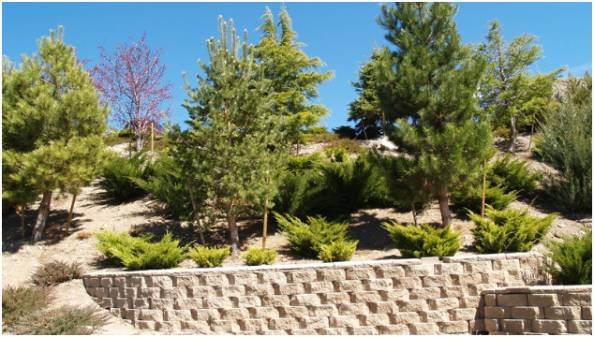
Every retaining wall should solve a clear problem in the yard and prevent mistakes in home construction. It may hold back a steep bank, shape a driveway edge, support a raised garden, or create a level patio zone. Once the purpose is clear, the material and size become easier to choose.
A low garden wall can feel decorative while still giving soil the support it needs. A wall near a seating area needs a tidy face, clean lines, and a comfortable scale. A driveway or boundary wall needs extra strength because it deals with heavier pressure.
The slope shows how much lateral earth pressure the wall must resist. A gentle grade may suit a smaller brick wall with a compacted sub-base, while a steep bank may need deeper footings, geogrid reinforcement, and proper load distribution. Soil also matters because clay, sand, and loose fill have different bearing capacities, drainage rates, and movement patterns after rain.
A site check should include how water moves across the yard during storms. Water that collects behind the wall adds pressure, so drainage should be part of the design from the start. Gravel, weep holes, and proper backfill help the structure handle wet weather with less strain.
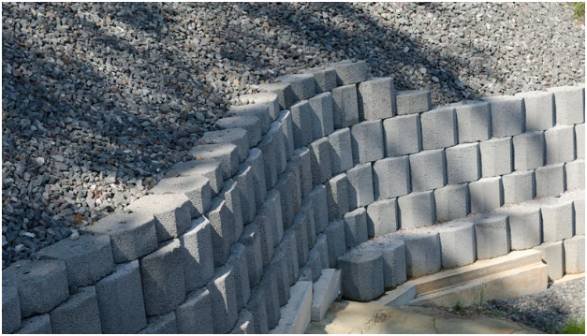
Brick works well when the house has classic details, warm paving, or garden paths with a traditional feel. Concrete block suits clean outdoor spaces, while natural stone brings texture to gardens and terraces. Timber can suit informal areas, although many homeowners prefer masonry for a more permanent look.
The wall color should connect with the home, paving, steps, or fence line. A red, brown, cream, or charcoal tone can make the structure feel settled in the yard. Brick wall specialists can also shape patterns, caps, and corners so the finished wall feels complete.
Wall height affects strength, cost, drainage, and local permit needs. A short wall may only need a compacted base and sound backfill. A taller wall needs more planning because soil pressure increases as height rises.
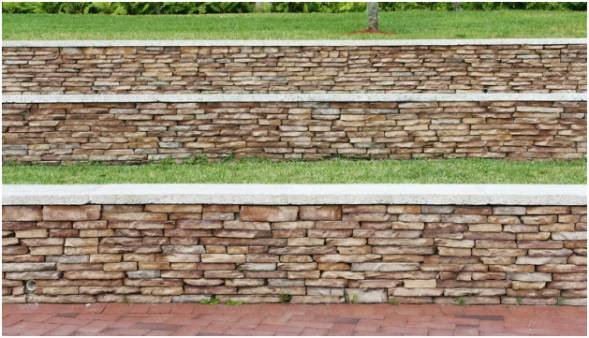
The base, footing, and reinforcement should match the load behind the wall. A builder may suggest stepped sections, terracing, or thicker masonry where the slope has extra weight. These choices keep the layout practical while giving the yard a balanced look.
The right retaining wall starts with a clear purpose, sound drainage, the right building materials for your project, and a design that fits the property. Experienced custom brick retaining wall builders can turn those details into a wall that supports the yard and looks natural beside the home. With careful planning, the finished wall can add level space, protect garden areas, and give the outdoor project a polished, lasting feel.