
 11
11
The world of real estate is evolving faster than ever, and if you’re in the game, it’s essential to keep up with the latest technology. When I first started noticing the shift toward PropTech (Property Technology), it was more about experimentation than real-world application.
But as we move into 2025, I’ve seen firsthand how these trends are becoming essential to staying competitive. Here’s a rundown of the top PropTech trends in the real estate industry that are reshaping the way we live, work, and invest.

Before jumping into trends, let me quickly clarify what PropTech really means. PropTech refers to the use of technology to streamline, disrupt, and improve the real estate industry.
Whether it’s making buying and selling property easier, reducing environmental impact, or helping investors make smarter choices, PropTech is transforming every aspect of the real estate journey. If you’re in real estate, whether as a homeowner, renter, or investor, this is for you.
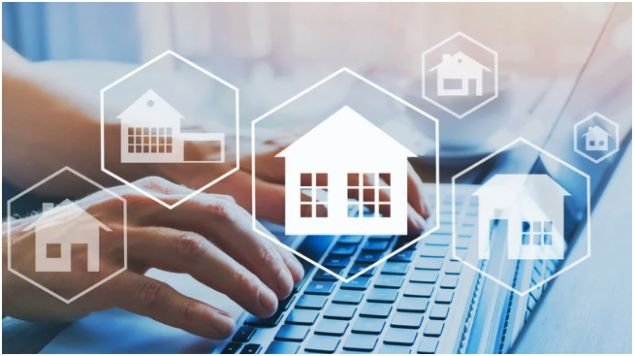
I can’t talk about top PropTech trends in the real estate industry without highlighting AI’s growing influence. When I first heard about AI being used in real estate, I was skeptical. But now, AI is helping predict property values, streamline operations, and even automate customer service.
For example, AI platforms can forecast rent growth in neighborhoods with 84% accuracy up to 12 months ahead of time. Think about the power that gives investors—having the ability to predict hot spots before everyone else catches on.
The process of appraising a property used to take days—sometimes over 40 hours of work for a traditional valuation. But with AI, I’ve seen property appraisals happen in under 60 seconds with 92% accuracy.
This isn’t just convenient—it’s changing how we think about real estate. AI can make smarter decisions in a fraction of the time, helping investors identify promising properties faster than ever.

In 2025, smart buildings are no longer just futuristic concepts—they’re reality. My experience walking through these high-tech spaces has been mind-blowing. Imagine a building where the lighting, HVAC, and security systems are all connected through the internet. These systems learn and adapt to patterns, making energy use more efficient.
In fact, IoT-enabled building systems are now reducing energy costs by 15-25%. For office buildings and residential properties alike, this isn’t just about saving money—it’s about sustainability and creating spaces that respond to the people who use them.
What I’ve noticed is that it’s no longer enough to have “smart” technology—it’s about having occupant-centric smart systems.
Real-time air quality monitoring, personalized lighting settings, and even access control systems using biometric data are all part of the new wave of smart building evolution.
Not only does this lead to a 23% higher tenant retention rate, but it also helps in creating healthier living and working environments. Now, that’s innovation with a purpose.
If there’s one thing that’s clear from all these PropTech trends, it’s that sustainability is no longer optional. It’s a must-have. The demand for sustainable buildings is growing, especially as the green premium continues to rise.
Sustainable building properties are now commanding 7-10% higher rents than their traditional counterparts. More importantly, these buildings are often selling for better resale multiples, making them a smart investment.
As I’ve learned over the past year, it’s not just about the environmental benefits. It’s about compliance too. Governments worldwide are tightening regulations, and buildings are becoming energy generators rather than just consumers.
The integration of grid-interactive assets, like solar-powered buildings and AI-driven inverters, is allowing buildings to sell energy back to the grid during peak times. PropTech’s role in green building technologies is paving the way for a more sustainable, energy-efficient future in real estate.
Fractional ownership is making real estate more accessible, and it’s democratizing property investment. In 2025, platforms like Lofty are allowing people to invest in property with as little as $50. I can’t tell you how much this is opening doors for Millennials and Gen Z investors, who traditionally couldn’t afford the steep entry costs of property investment.
What’s even more exciting is that 60% of fractional investors are under the age of 40, which means that younger generations are starting to see the potential in owning a piece of real estate.
What’s even more fascinating is the role of blockchain technology in these transactions. Blockchain’s ability to create tamper-proof digital records is making property transactions faster, more transparent, and secure.
It’s not just about reducing transaction time (from 45 days to 7); it’s about creating liquidity in a traditionally illiquid market. With blockchain, buying and selling property shares is becoming a breeze.
Step 1: Start With AI Tools
Begin by adopting AI tools to help you predict property values, assess potential investments, and even make faster decisions on whether to buy, sell, or rent a property. I recommend starting with AI-based market analysis platforms and automated valuation tools to give you an edge in this competitive market.
Step 2: Invest in Smart Buildings
If you’re managing rental properties or are involved in real estate development, investing in smart building technology is a must. Start by upgrading your properties with IoT sensors that help monitor energy use and enhance occupant experience. These upgrades will increase tenant satisfaction and reduce operational costs.
Step 3: Embrace Green Tech
Incorporating green building technologies isn’t just good for the environment; it’s good for business. Start by looking for eco-friendly certifications for your properties, and consider investing in solar energy and other sustainable features to improve your portfolio’s value and attractiveness.
Fractional ownership allows you to buy shares in real estate with a relatively small amount of capital. Platforms like Lofty make it easy to invest as little as $50. Simply sign up, browse available properties, and buy shares in a building you’d like to invest in.
Smart building systems save energy, increase security, and improve tenant retention. Real-time monitoring of energy use, air quality, and occupancy can lead to cost savings of up to 25%. Plus, features like biometric access and automated maintenance enhance the tenant experience.
AI revolutionizes property valuation by providing faster, more accurate assessments. With AI-powered models, appraisals that once took days can now be completed in under 60 seconds, allowing for smarter, quicker decision-making.
I won’t lie—keeping up with top PropTech trends in the real estate industry can feel like a full-time job.
But the upside is massive. By embracing these technologies—AI, smart buildings, fractional ownership, and sustainability—you’re positioning yourself for success in the future of real estate.
So go ahead, dive in, and get ready to transform how you think about real estate investment. The future is smart, sustainable, and incredibly exciting!