 11
Ask what is the biggest building in the world and you will get three different answers from three different people, and none of them will be lying. The question is not hard because the facts are hidden. It is hard because “biggest” is not a single measurement, and the people who argue about it are usually measuring different things without saying so. A structural engineer runs the numbers on steel and concrete tonnage.
A leasing agent counts rentable floor area. A council of architects ranks something else entirely. If you are trying to answer what is the biggest building in the world for a client, a report, or your own curiosity, you need to know which yardstick is in play before anyone names a winner.
The confusion starts at the definition. Height is the easiest thing to photograph and the hardest thing to settle. The Council on Tall Buildings and Urban Habitat, which keeps the authoritative record most of the industry respects, measures height to the architectural top of the structure, not to the tip of an antenna and not to the roof of a mechanical penthouse added later.
That single rule explains a surprising amount of the argument, because a broadcast mast bolted onto a finished tower can push a number up without the building itself being any taller. You can read the committee’s own criteria through the CTBUH height criteria if you want the fine print, and it is worth the read before you quote a figure in any document that will be audited.
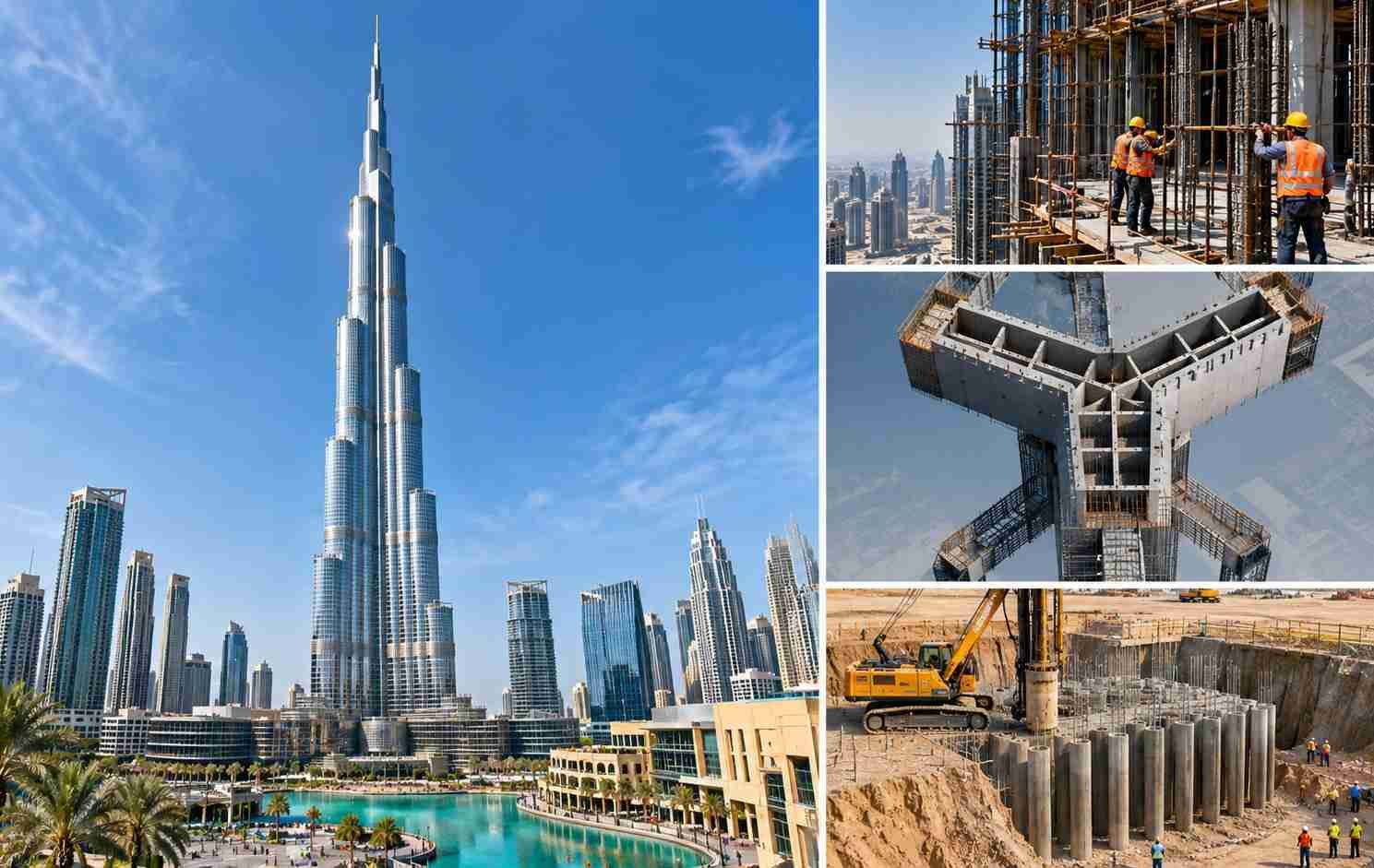
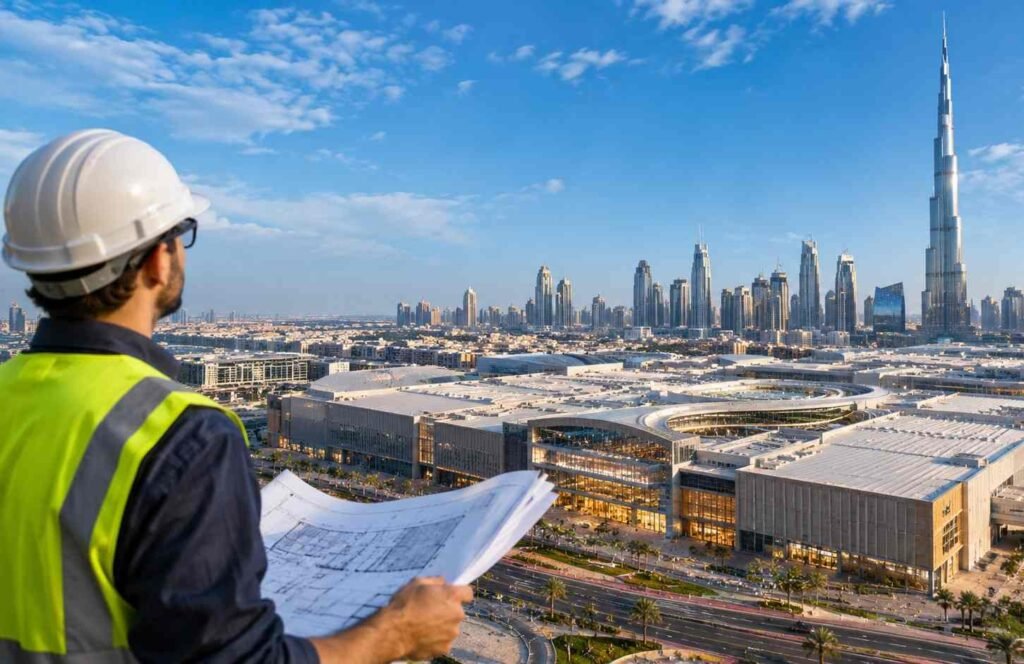
By that standard, the answer to what is the biggest building in the world when height is the only metric is Burj Khalifa in Dubai, which opened in 2010 at a structural height of 828 meters across 163 floors. It has held the title for more than fifteen years, which is unusual in a category that used to turn over every few years, and no completed project has taken it yet. That is the figure most people want when they search the phrase, and it is the figure I would put on a one-slide answer for a client. It is also the figure that makes people angry when someone else points out it is not the largest by floor area.
Burj Khalifa is a useful case study for anyone in the trades because it is not just tall, it is deliberately tall. The tower uses a bundled tube system with a Y shaped plan, and the setbacks step back as the building rises, which spreads wind load and keeps the structure from getting stupid at the top. The buttressed core carries the lateral demand down through a central spine with three wings, a system the engineer Adrian Smith has written and spoken about at length in industry settings. The design was not a marketing flourish. It was a solution to a wind problem that would have made a straight, simple tower of that height impractical.
If you want the official project record including height, floor count, and occupancy dates, the Council on Tall Buildings and Urban Habitat maintains it, and the Dubai developer Emaar publishes project material as well. The important takeaway for a builder is not the number. It is that every claimant to the biggest building in the world title has a structural rationale behind the height, because building past a certain point is a wind and foundation problem before it is a design problem.
If you measure by enclosed floor space rather than height, Burj Khalifa disappears from the conversation. The biggest building in the world in terms of usable floor area is Aalsmeer Flower Auction in the Netherlands, a sprawling wholesale trading floor near Amsterdam that covers somewhere around 990,000 square meters of floor. It is not tall, it is not glamorous, and it is almost never the answer anyone expects, which is exactly why it is a useful teaching example. It is a warehouse with commercial scale so large that the building itself becomes infrastructure for an entire global flower trade.
The Boeing Everett Factory in Washington State often shows up just behind it, with something in the range of 400,000 square meters of floor area and the largest internal volume of any building by some counts, because it has to fit 747 and 787 assembly lines under one roof. The New Century Global Center in Chengdu, China claims over 1.7 million square meters of total floor area when you count all its levels and uses, which makes it a legitimate contender for the biggest building in the world depending on how you treat multiple occupied floors stacked in one complex. None of these buildings photograph the way Burj Khalifa does. All of them are far larger in plan and total volume.
This is the point where most articles about what is the biggest building in the world start picking sides. The honest answer is that no single building wins every category, and anyone who tells you otherwise is running one measurement and pretending it is universal.
Here is the comparative breakdown, and it is the table I would put in front of a client who asked what is the biggest building in the world without specifying what “biggest” means.
| Building | Location | Metric Led | Approximate Record | Completed
|
|---|---|---|---|---|
| Burj Khalifa | Dubai, UAE | Height to architectural top | 828 m, 163 floors | 2010 |
| Merdeka 118 | Kuala Lumpur, Malaysia | Height (second place) | 679 m, 118 floors | 2023 |
| Shanghai Tower | Shanghai, China | Height (third place) | 632 m, 128 floors | 2015 |
| Aalsmeer Flower Auction | Netherlands | Floor area under one roof | ~990,000 sq m | 1972, expanded since |
| Boeing Everett Factory | Washington, USA | Volume and floor area | ~400,000 sq m, largest internal volume | 1967, expanded since |
| New Century Global Center | Chengdu, China | Total floor area, multi-level | ~1,700,000 sq m total | 2013 |
Read that table honestly and you will see the problem. Merdeka 118 in Kuala Lumpur is genuinely the second tallest building in the world by architectural height, but a broadcast mast argument could rearrange the top five depending on who is doing the counting. The three floor area leaders are not even in the same conversation as the towers. When someone asks what is the biggest building in the world, the correct first response is a clarifying question, and if you do not ask it, you will spend the rest of the meeting defending the wrong number.
Feats of size in construction are not built by people who just decided to go bigger. They are built by teams who solved a specific load path problem at scale, then found a financial case for the solution. Burj Khalifa needed a buttressed core and a bundled tube because a straight rectangular tower of that height would have been a wind sail. Merdeka 118 uses a triangular, faceted plan with a tapered spire, which is a response to the same problem. Shanghai Tower twists 120 degrees from base to top for the same reason: to break the vortex shedding that would make a rigid tower of that height unusable in high winds.
Every single one of the buildings that competes for the biggest building in the world title went through years of wind tunnel testing, foundation studies, and code review before a single pile was driven. Some of the offshore foundation techniques used for Dubai’s tower are documented in engineering literature, and the American Society of Civil Engineers publishes standards on wind loading that govern how any tall structure in the United States is checked, which you can review through ASCE. The engineering discipline is not glamorous. It is what makes the glamour possible.
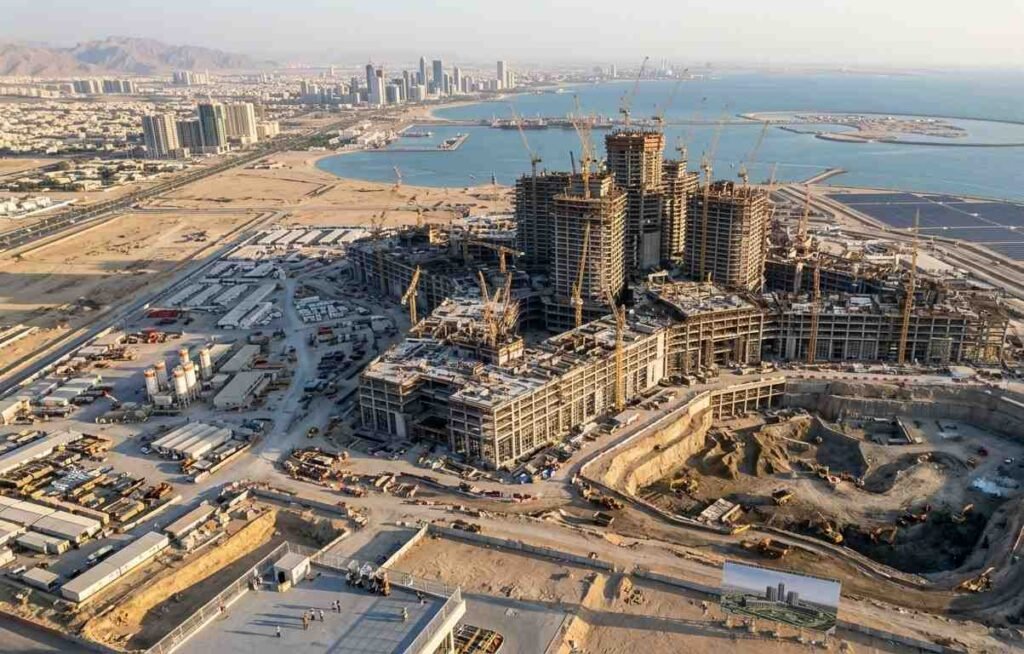
Jeddah Tower in Saudi Arabia was designed to pass Burj Khalifa at over 1,000 meters, and construction stalled for years before a restart effort in the current decade. As of the most recent public reporting the tower is not complete, so it cannot win the title, but the project matters for any honest discussion of what is the biggest building in the world because it demonstrates how the title actually changes hands.
Size records move not because a new building quietly opens, but because a client with more money, more patience, or more political will decides that a record is worth the cost. Burj Khalifa was only financed at the height it reached because the surrounding real estate development underwrote it. The title is not really a construction record. It is a capital allocation record that happens to be shaped like a building.
There is a second tower under development in the region with the stated goal of exceeding Jeddah, and a handful of other aspirants in Asia and the Middle East. What makes them credible is not the height number in a press release. It is the ability of the sponsor to keep the foundation, structural steel, elevator, and curtain wall trades working through multiyear interruptions without losing time past the point of no return. Half the announced supertall projects in the last two decades never finished, and every one of those was announced as the biggest building in the world at some point.
The practical lesson for a builder is about measurement discipline. A client who says “the biggest building in the world” and a client who says “the largest floor plate we can fit on this lot” are having two different conversations, and if you do not separate them early in a project, you will be arguing about scope in the schematic phase.
When you price a structural steel package, the number that governs cost is tonnage, not height. When you plan a curtain wall order, the number that governs lead time is square footage, not floor count. When you schedule foundation work, it is bearing capacity and pile count, not the architectural top. The biggest building in the world by any single metric is a headline. The same building is four different bills of materials depending on which discipline is looking at it.
Anyone who has sat through a design review with an owner who wants “landmark” scale work knows the conversation has a predictable shape. The owner says the number. The architect says the number back with a scheme attached. The structural engineer quietly points out that the scheme doubles the steel and the schedule. Then the sponsor either finds more money or finds a smaller number. That is why the tallest buildings in the world are clustered in cities and countries with an unusually patient capital base, and why so many of the announced aspirants never reach ground breaking.
Definitions, financing, and engineering all change over time, and the record moves when any of them shifts simultaneously. When the Petronas Towers claimed the height record in 1998, they did it because the CTBUH counted architectural spires, which was a rule change disguised as a construction feat. When Taipei 101 took the title a few years later, it was a straightforward build on a new rule. When Burj Khalifa took it in 2010, the answer changed because one client decided the cost was worth the statement. When the next tower takes it, it will likely change because a national or economic strategy required it. None of those transitions were purely about what could be built. All of them were about what someone was willing to pay for.
If you follow the industry for another decade, expect the title to change at least once and expect the floor area answer to stay stubbornly in the hands of industrial facilities nobody photographs. The florists and the aircraft assembly lines will keep outbuilding the skyscrapers by a wide margin, and that gap is not going to close. Anyone answering what is the biggest building in the world with a single name is answering one question, and if you need the right number for a real project, you had better know which question you are actually asking.
The most reliable answer is not a building at all. It is a habit of asking which metric is in play before you name the winner, and if you are pricing a project of any scale, that habit is worth more than any record on the list. Whether the question is what is the tallest building in the world or which structure has the largest floor area or volume, understanding the measurement criteria is essential. What is the biggest building in the world is a question you should be capable of answering accurately and immediately, whichever of the three definitions the client in the room actually cares about.