 11
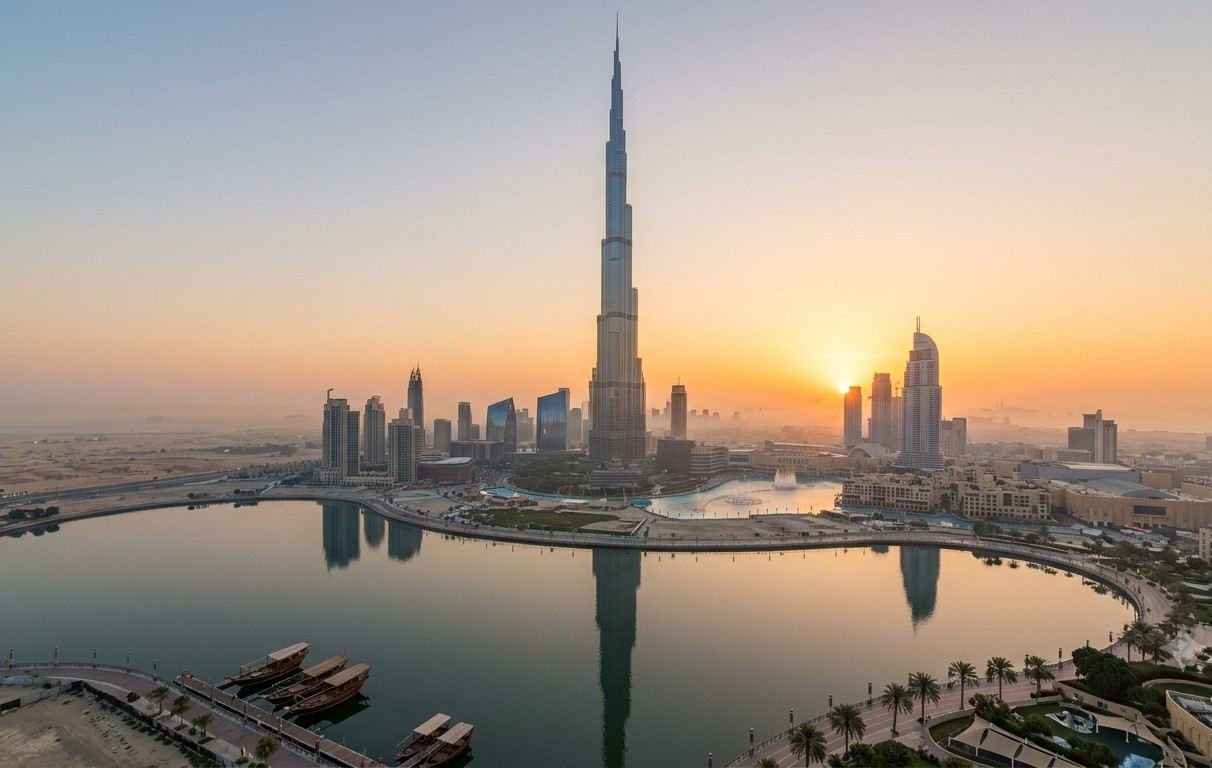
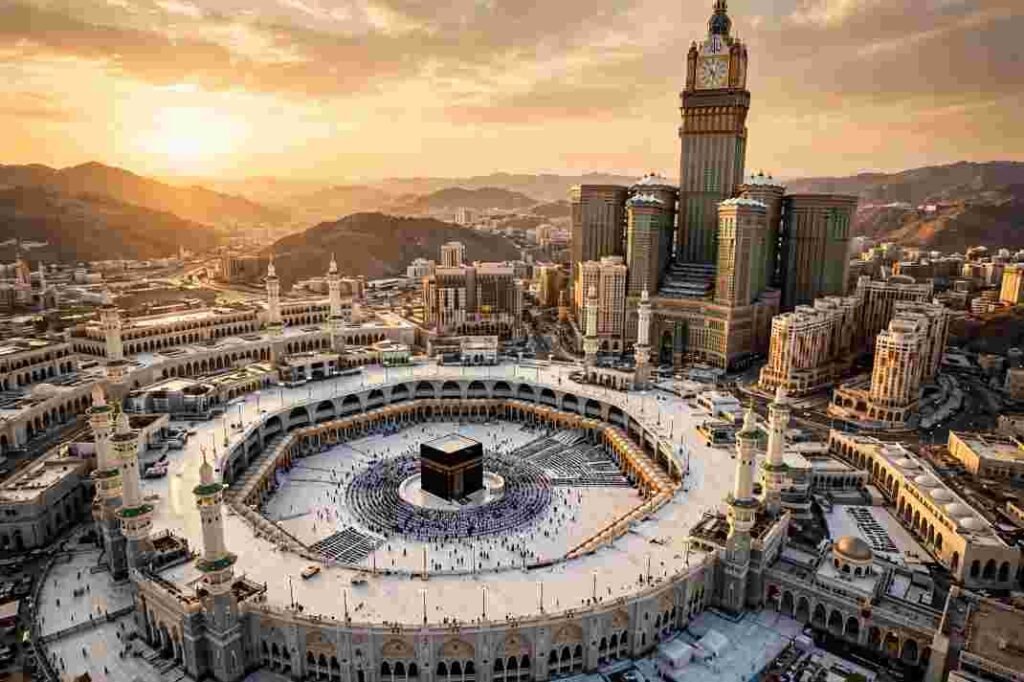
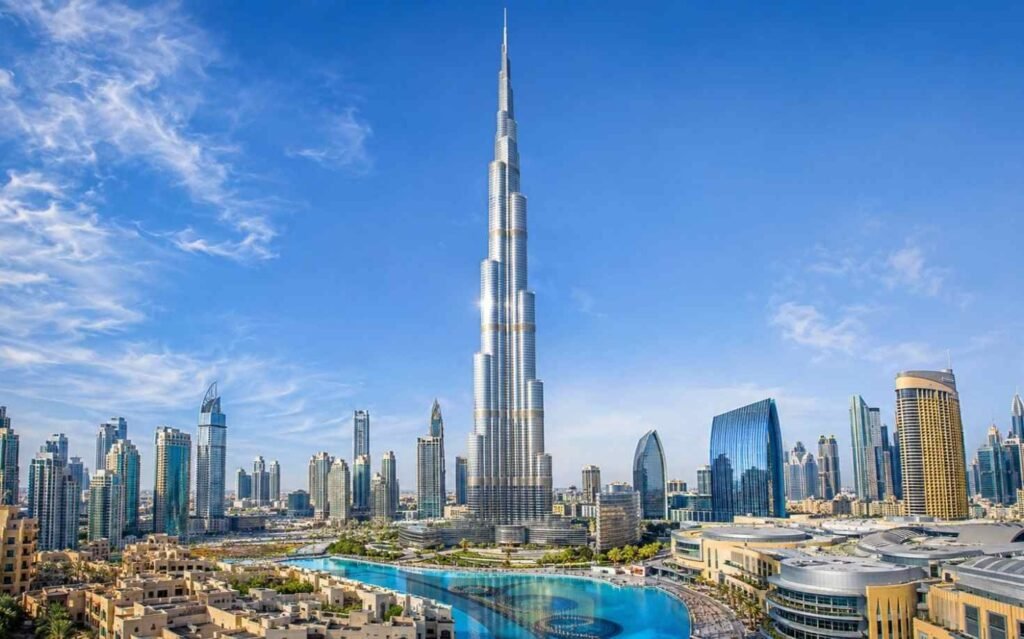
The Burj Khalifa in Dubai holds the title, standing 828 meters to its architectural top, or roughly 2,717 feet, per the Council on Tall Buildings and Urban Habitat, the body that adjudicates height claims for supertall structures. That single sentence answers what is the tallest building in the world for almost everyone who types it into a search bar, but the question opens into a much longer conversation about how height gets measured, why the rankings keep shifting, and what it actually takes to pour, hoist, and align a structure that pushes a half mile into the sky.
Construction crews who work on ordinary commercial shells rarely think about mega tall towers, yet the techniques that made the Burj Khalifa possible now trickle down into mid rise concrete work, curtain wall sequencing, and vertical logistics on projects of every size.
The answer has held since 2010, when the tower opened in downtown Dubai, and no completed structure has overtaken it since. Plenty of proposals have promised to, and a few are under construction as of this writing, so the question of what is the tallest building in the world will likely get a new answer within the next five to seven years. For now, the ranking is settled enough that architects, engineers, and curious property owners can plan around it.
Height claims in the tower world are not as simple as running a tape measure from the sidewalk to the roof. The Council on Tall Buildings and Urban Habitat recognizes four distinct categories, and each one produces a different answer to what is the tallest building in the world depending on which metric a person uses.
| Measurement Category | What It Captures | Burj Khalifa Figure
|
|---|---|---|
| Height to architectural top | Grade level to the highest integrated architectural element, excluding antennas and flagpoles | 828 m (2,717 ft) |
| Height to highest occupied floor | Grade level to the floor of the highest usable interior space | 585 m (1,918 ft) |
| Height to tip | Grade level to the very highest point of the structure, antennas included | 829.8 m (2,722 ft) |
| Height to roof | Grade level to the top of the structural roof slab | 739 m (2,425 ft) |
The gap between those numbers matters because developers shop for the category that makes their project look tallest. An antenna or a decorative spire can add a hundred meters without adding a single rentable square foot, which is why the council draws a firm line between architectural elements and bolt on hardware. When someone asks what is the tallest building in the world, the honest reply is that the title belongs to the Burj Khalifa under the architectural top standard, and that the other categories produce slightly different figures for the same tower.
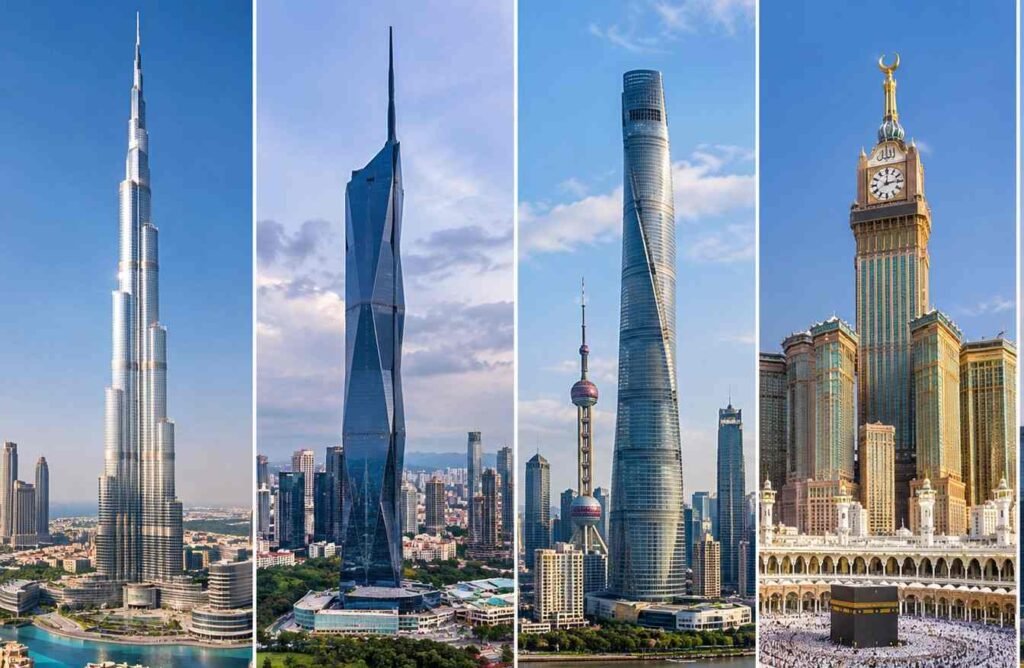
Understanding what is the tallest building in the world requires a look at the runners up, because the structural strategies behind each one differ enough to explain why height records fall so slowly. The list below reflects completed structures only, not proposals.
That last entry is instructive. The Ping An tower was designed to exceed 600 meters by a comfortable margin, and the final height shrank during construction because the developer removed the planned antenna for cost and aviation reasons. A twenty meter decision at the drawing board can cost a client a permanent place in the rankings, which is why tower teams now treat the height target as a contractual line item rather than an aspiration.
The tower was designed with a buttressed core, meaning a central hexagonal wall section reinforced by three wings that act like outriggers. That geometry resists the vortex shedding that ordinary rectangular towers suffer in high wind, and it allowed the structure to reach a height that would have been unthinkable under older framing approaches. The cladding system, which covers roughly 26,000 hand cut glass panels, was engineered to survive the extreme thermal swings of a desert environment while still shedding heat loads. None of that comes cheap.
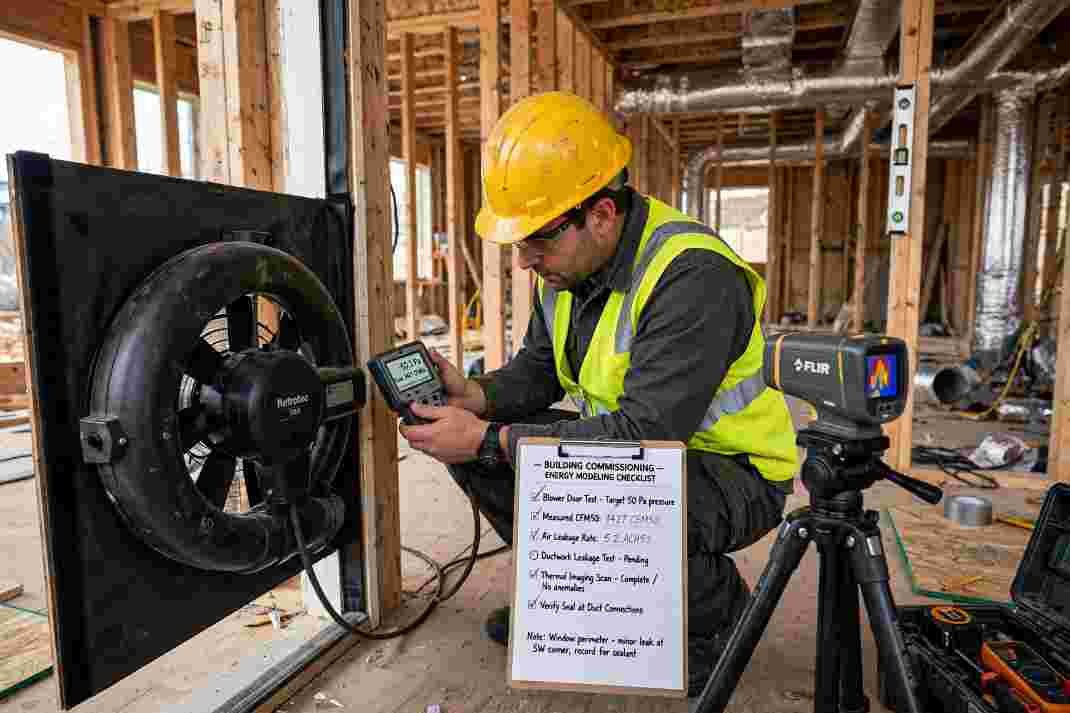
The total construction cost ran into the billions, and the project required a foundation of more than 190 bored piles driven deep into the ground to distribute loads that no conventional mat foundation could carry. Those piles were tested with a load far beyond what the building would ever place on them, a precaution that has become standard practice on any tower now chasing the title of what is the tallest building in the world.
Meeting building code requirements is equally important, as these regulations establish minimum standards for structural safety, foundation performance, and construction quality. Anyone researching what is the oldest building in the united states can see how durable foundations, appropriate materials, and careful construction practices have helped historic structures survive for centuries. Engineers working on mid-rise projects absorb the same lesson in smaller form: foundation testing is not overhead, it is insurance against a settlement problem that no amount of facade work can hide.
The answer to what is the tallest building in the world will not stay fixed forever. At least two active projects have published height targets that exceed the Burj Khalifa, and both face the same obstacles every record chaser faces: financing, permitting, and the brutal economics of building above the 100th floor.
| Project | Location | Published Height Target | Status
|
|---|---|---|---|
| Jeddah Tower | Jeddah, Saudi Arabia | 1,000 m (3,281 ft) | Construction resumed after a multi year pause |
| Burj Azizi | Dubai, UAE | 725 m (2,379 ft) | Under construction, will not exceed the Burj Khalifa |
| Legends Tower (proposed) | Oklahoma City, USA | 581 m (1,907 ft) | Proposal stage, approval uncertain |
The Jeddah Tower is the only project with a plausible path to taking the crown, and its history illustrates how fragile a height record actually is. Work stalled for years after a funding squeeze, then resumed with a revised delivery schedule. Until a tower is fully clad and certified, no one should describe it as the tallest building in the world, and construction press offices have a habit of announcing records years before a topping out ceremony confirms them.
The United States invented the skyscraper and then quietly stopped building them at record heights. One World Trade Center in New York reaches 541 meters to its architectural top, which places it well outside the top five globally and makes it a distant second to the towers rising in Asia and the Middle East.
The reasons are mostly economic rather than technical. Land in Manhattan is extraordinarily expensive, aviation review caps heights near major airports, and the rental market for residential floors above 90 stories does not support the construction premium. American developers build to the height the market pays for, not the height a press release demands.
That said, the engineering knowledge base remains largely American and European. The firms that designed the Burj Khalifa, the Shanghai Tower, and many of the active Middle Eastern supertalls are headquartered in Chicago, London, and New York. Construction managers trained on U.S. commercial projects frequently end up on overseas tower jobs because the fundamentals of sequencing, safety planning, and concrete logistics translate cleanly across borders.
Someone who learns to plan a 20 story pour schedule has a strong foundation for understanding what is the tallest building in the world at a technical level, even if the work itself happens 7,000 miles away.
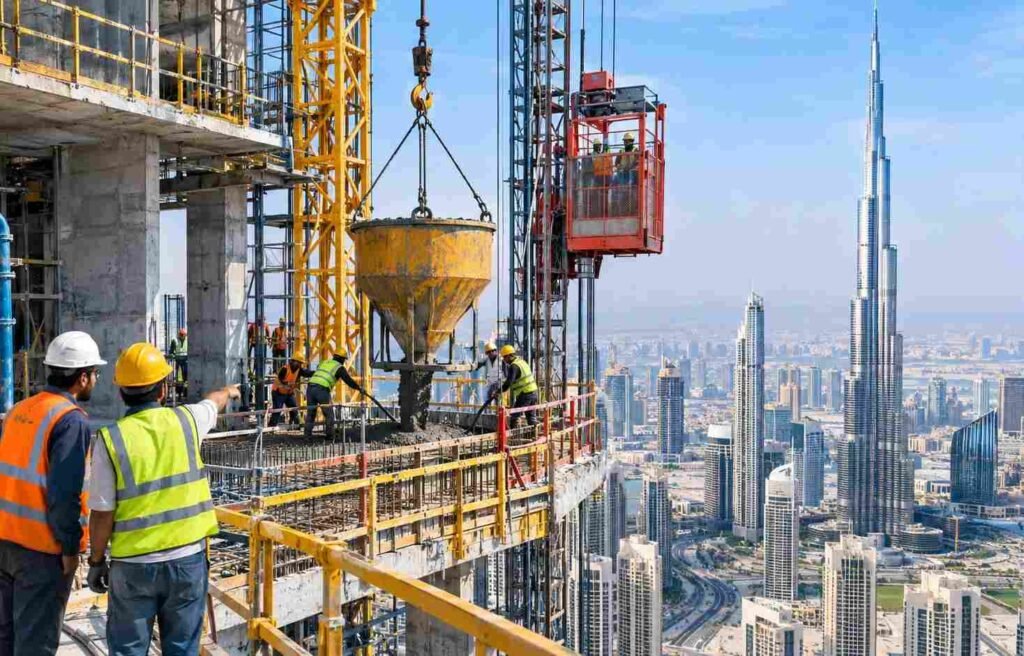
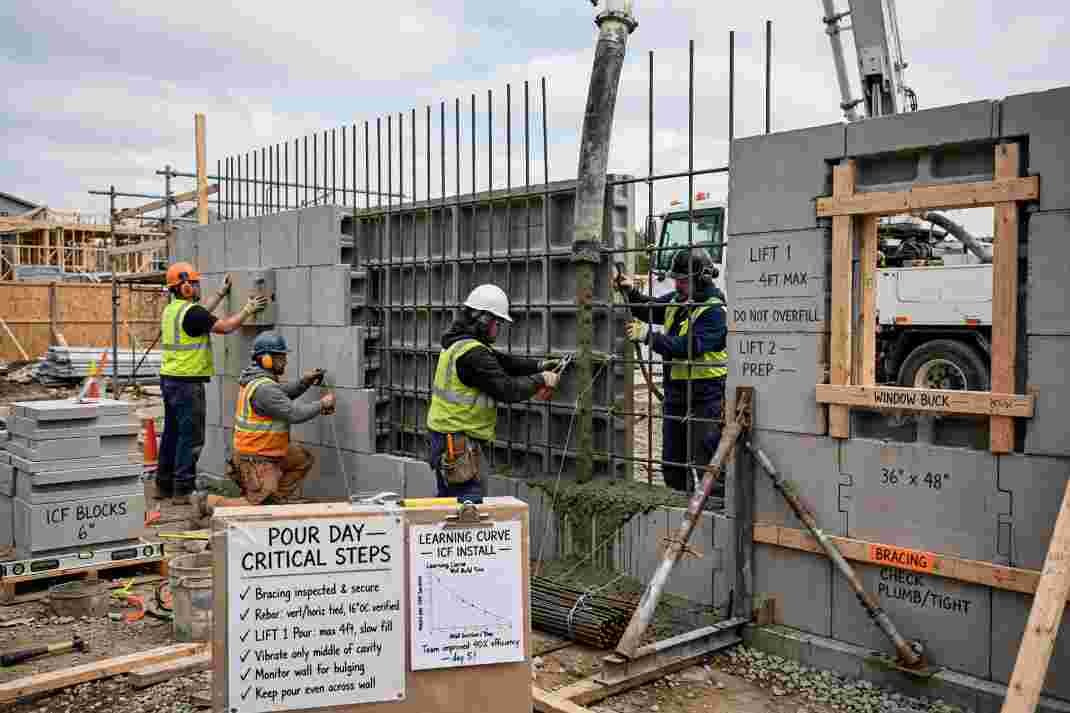
Every answer to what is the tallest building in the world eventually comes down to how materials get from the ground to the working floor. Concrete cannot be pumped above roughly 600 meters using conventional equipment, so contractors on record breaking towers resort to a combination of high pressure pumps, intermediate pumping stations, and bucket hoists that lift material at a controlled rate. Each method adds time and cost per cubic yard, and the math only works when the tower generates enough rentable area on the upper floors to justify the inefficiency.
Worker transport poses a parallel problem. Elevator systems on the Burj Khalifa are split into zones so passengers on the lower floors never share a car with tenants heading to the observation deck, and the tower uses double deck cars to move more people per trip. On a typical commercial project, that same zoning principle shows up in a smaller way with separate service elevators and dedicated construction hoists that stay in place until the permanent system is commissioned.
Construction sequencing on any tower above 50 stories becomes a scheduling problem as much as an engineering one, because the critical path runs through the hoist and the pump rather than the structural frame itself.
The Occupational Safety and Health Administration publishes fall protection and crane safety standards that apply to every tower project in the United States regardless of height, and those standards form the baseline that international contractors often exceed on supertall work. Crews on overseas mega projects frequently work with multi layered safety systems that go well beyond what domestic code requires, in part because the risk of a high rise incident escalates sharply with altitude.
The Burj Khalifa cost somewhere in the neighborhood of $1.5 billion to deliver, and that figure does not include the surrounding development, the metro station, or the infrastructure that made the site viable. For anyone asking what is the tallest building in the world out of professional curiosity rather than pure trivia, the cost structure is the more important lesson. Construction costs per square foot rise in a curve rather than a line once a tower passes about 60 stories, because the structural system, the elevator count, the fire suppression, and the vertical transport all scale faster than the floor plate.
Those four pressures explain why very few developers pursue what is the tallest building in the world as a pure business decision. The record is usually a loss leader funded by a government or a sovereign wealth fund looking to anchor a district, and the surrounding real estate value is where the return actually appears. A contractor bidding on a project with a record height target should expect a longer preconstruction window than usual, an unusually heavy commissioning phase, and a client who has already accepted that the budget will move.
The techniques that push a tower to 828 meters do not stay confined to Dubai. Bundled tube framing showed up in mid rise office construction within a decade. Double skin facades, once a supertall specialty, now appear on six story buildings in temperate climates looking to manage solar gain. High pressure concrete pumping equipment that was custom built for the Burj Khalifa is now a standard rental item on large commercial pours in most major markets.
Anyone who has followed the question of what is the tallest building in the world for a few years has watched those techniques migrate downward into ordinary projects, and that migration is the real story. The next record will likely be set in Saudi Arabia or a Chinese city that has not yet announced its ambitions, and the lessons from that project will show up in a strip mall or a mid rise apartment building somewhere within fifteen years.
Builders who understand the trajectory of tower construction get a head start on the methods that will eventually reach their own job sites. The record is a moving target, and the trade knowledge it generates outlives every ranking.