 11
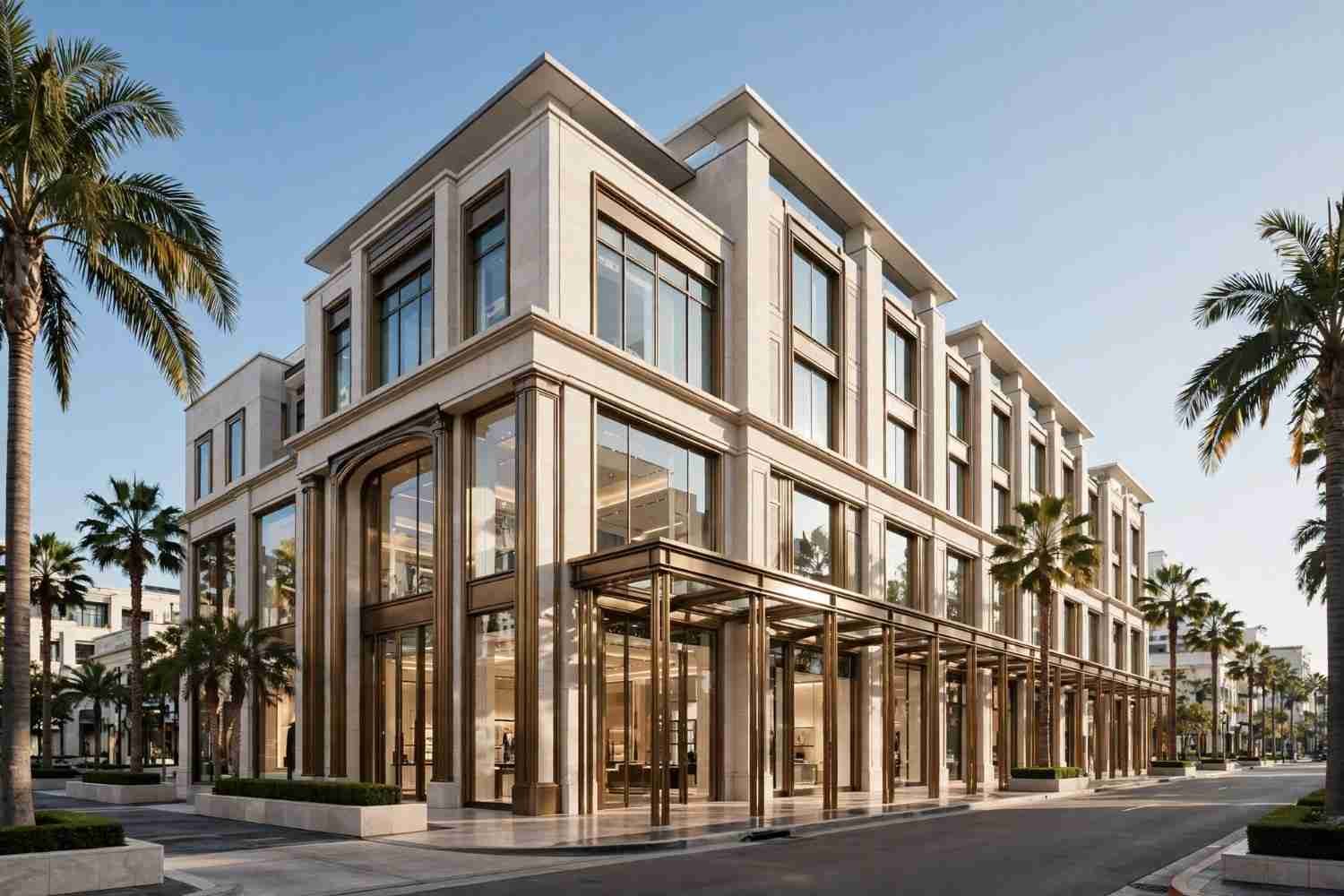
The phrase gets typed into search boxes with surprising regularity, and it usually means one of two things: someone wants the address of a specific Louis Vuitton flagship, or someone wants to know where the brand’s headquarters and production buildings sit. This article answers the question “where is the Louis Vuitton building” in both senses, then goes further because the answer is more interesting than a street address. Louis Vuitton does not occupy a single structure. It operates a scattered portfolio of flagship stores, workshops, corporate offices, and one genuinely unusual art foundation that occupies a building of its own on the western edge of Paris. Each site has a different postal address, a different architect, and a different set of construction realities behind it.
For builders and property professionals, the question of where the Louis Vuitton building is becomes a useful lens into how a luxury house treats real estate. The company does not lease generic retail space when it can commission an architect and construct a landmark instead. That habit shapes the addresses below, and it explains why so many of these locations are worth studying from a structural and planning standpoint rather than just a shopping one.
The corporate parent, LVMH Moét Hennessy Louis Vuitton, is headquartered at 22 Avenue Montaigne in the 8th arrondissement of Paris, a building that functions as the group’s administrative nerve center rather than a branded retail site. Louis Vuitton itself, the fashion house within that group, maintains its operating headquarters at 2 Rue du Pont Neuf in the 1st arrondissement, near the old Les Halles district. Anyone searching for where is the Louis Vuitton building in a corporate sense will land on one of those two Paris addresses depending on whether they mean the parent or the brand. The official corporate information published through LVMH’s corporate site and the brand’s own Louis Vuitton store locator resolves both, which matters because the two are frequently conflated in casual searches.
The historic production operation sits in Asnières-sur-Seine, a suburb northwest of Paris, where the family workshop has operated since the 1850s. That site is the closest thing to an ancestral Louis Vuitton building, and it still houses the brand’s museum collection and part of its atelier operation. The company publishes details of its manufacturing footprint through its editorial magazine, though the workshop addresses themselves are not open to the public.
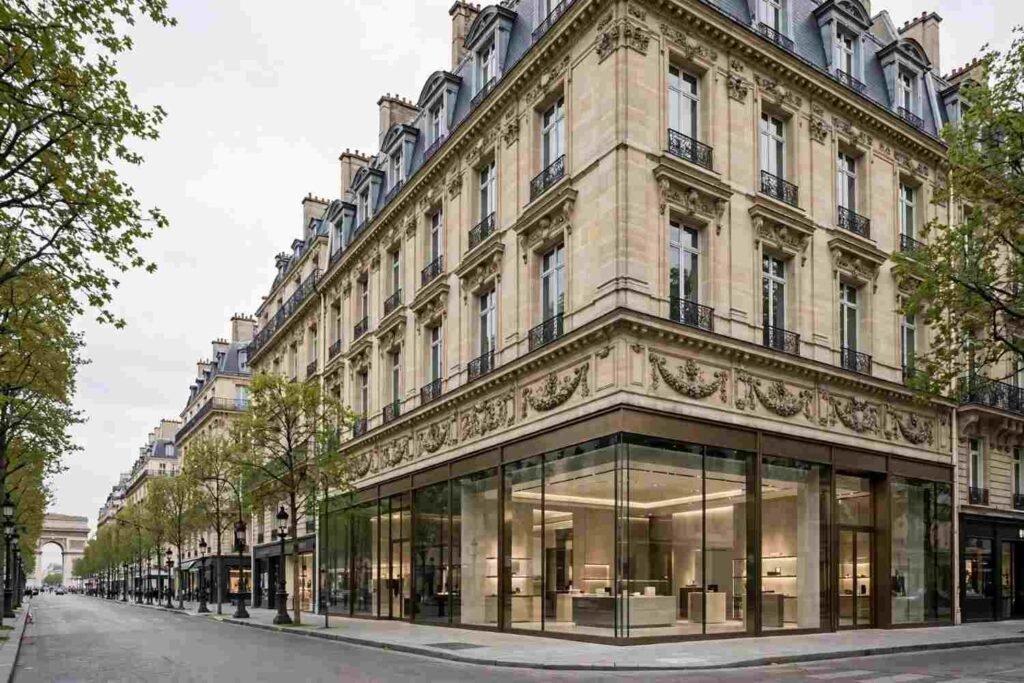
Paris holds the densest cluster of Louis Vuitton addresses on earth, and the most recognizable is the Champs-Élysées flagship at 101 Avenue des Champs-Élysées. That building reopened in 2017 after a substantial reconstruction and remains the brand’s largest store in France. A second major site sits at 6 Place Vendôme, the historic maison address that anchors the brand’s jewelry and high-jewelry operations. The third, at 22 Avenue Montaigne, is a retail space adjacent to the corporate group offices, which is part of why the address appears in both commercial and corporate searches.
The Champs-Élysées building deserves attention from a construction angle. The structure is a modern rebuild integrated into an existing 19th century facade, a common approach along that avenue where heritage protection rules constrain what can be demolished. Builders working in protected Parisian districts deal with the same constraint constantly: the exterior envelope is untouchable while the interior structure and mechanical systems are entirely replaceable. The Louis Vuitton flagship on that avenue is a textbook example of how to thread a modern retail program through a historic shell.
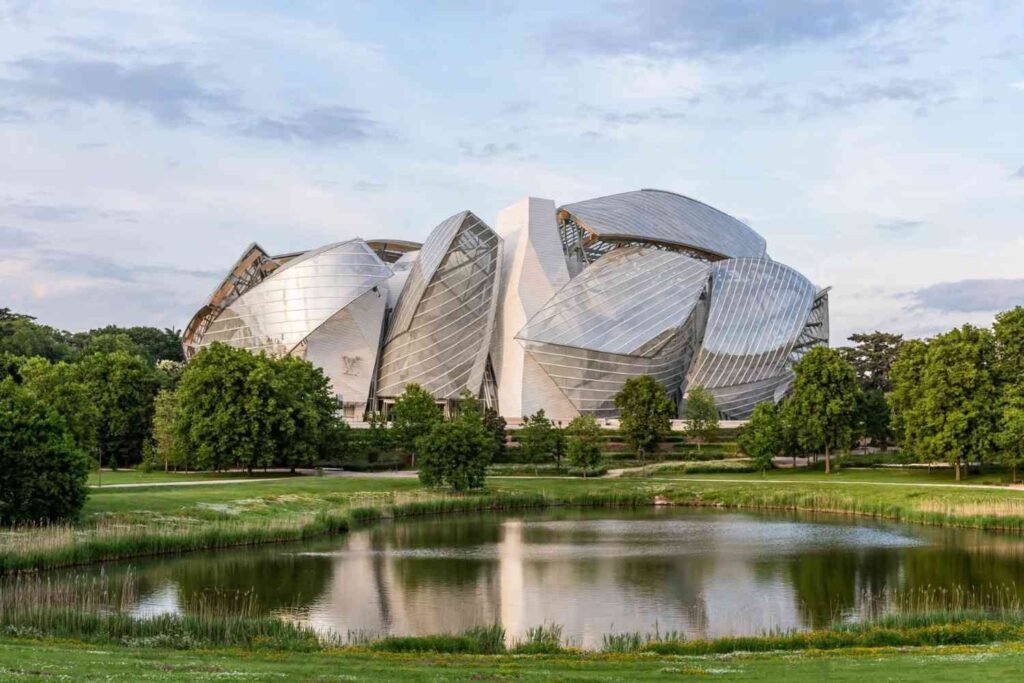
If someone asking where is the Louis Vuitton building means the striking glass structure they saw in a photograph, they mean the Fondation Louis Vuitton at 8 Avenue du Mahatma Gandhi, on the edge of the Bois de Boulogne in the 16th arrondissement. Designed by Frank Gehry and opened in 2014, the building is an art museum rather than a store, and its construction history is documented extensively by the Fondation Louis Vuitton itself. The structure uses twelve curved glass sails supported by a steel framework, and the engineering challenge of fabricating those panels to tolerances tight enough for Gehry’s geometry consumed years of the project schedule. For anyone in the trades, this building is worth the trip for the structural detailing alone.
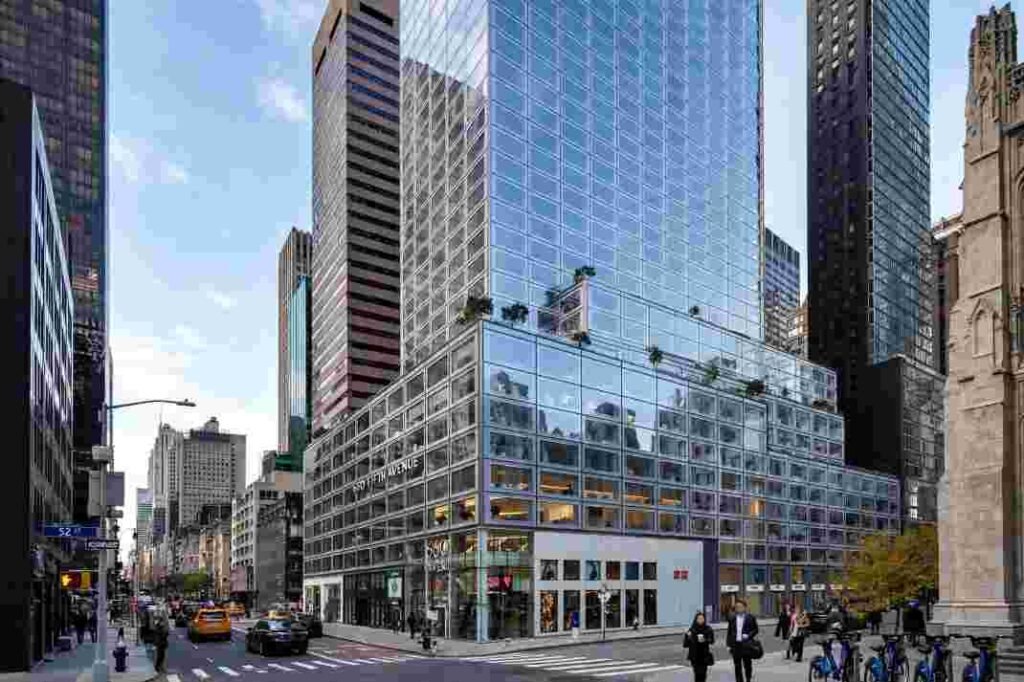
American searches for where is the Louis Vuitton building usually point to one of several flagship locations. The Fifth Avenue flagship in New York occupied 1 East 57th Street for years before relocating operations during a major redevelopment of that corner, and the brand has since maintained a prominent presence along Fifth Avenue in Manhattan. The Rodeo Drive location in Beverly Hills sits at 295 North Rodeo Drive, and the Miami Design District store occupies a purpose-built structure that reflects the neighborhood’s shift from warehouse district to luxury retail corridor. Each of these is a leased or owned retail building rather than a corporate headquarters, which is why the addresses shift as leases expire and redevelopments proceed.
The New York City Department of Buildings maintains public records on every permitted alteration at these addresses, and those filings offer a real window into how a luxury retailer modifies a leased building. Permit records show mechanical upgrades, facade work, and interior demolition far more often than new construction, which tells you the brand’s American strategy leans on renovating existing structures rather than commissioning ground-up buildings the way it does in Paris.
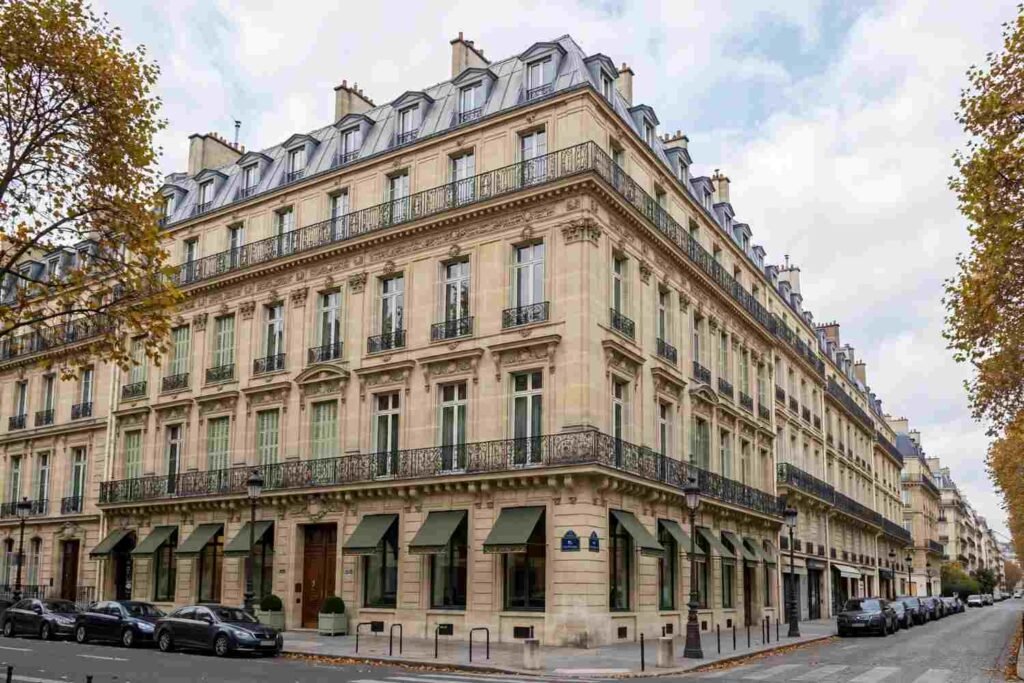
The table below lays out the primary sites that come up when people search for where is the Louis Vuitton building, with the function and construction character of each.
| Location | Address | Function | Construction Character
|
|---|---|---|---|
| Paris, Champs-Élysées | 101 Avenue des Champs-Élysées | Flagship retail | Modern rebuild inside a protected historic facade |
| Paris, Fondation | 8 Avenue du Mahatma Gandhi | Art museum | Ground-up steel and glass structure by Frank Gehry |
| Paris, Corporate | 22 Avenue Montaigne | LVMH group offices | Adapted historic building in a commercial district |
| Asnières-sur-Seine | Historic workshop site | Production and archive | Original family atelier, expanded over decades |
| New York | Fifth Avenue corridor | Flagship retail | Leased commercial space with recurring alterations |
| Beverly Hills | 295 North Rodeo Drive | Retail | Purpose-built retail structure in a luxury corridor |
The confusion around where is the Louis Vuitton building stems from the fact that three distinct structures get described with nearly identical language. The first is the retail flagship, which is what most shoppers mean. The second is the corporate headquarters, which is what journalists and job applicants mean. The third is the Fondation, which is what tourists and architecture enthusiasts mean. A fourth answer applies to anyone asking about manufacturing, since the brand operates workshops across France, Spain, and the United States that are not public-facing at all.
Getting clear on which building someone means changes everything about the follow-up question. If you want to visit, the retail flagship is the answer and the address is public. If you want to write to the company, the corporate address at 22 Avenue Montaigne is correct. If you want to see architecture, the Fondation is the destination and it requires a ticket. The distinction seems trivial until you realize how many travel itineraries and business letters have gone to the wrong Paris arrondissement because of it.
The original Louis Vuitton building in any historical sense is the workshop at Asnières-sur-Seine, where the company’s founding family established production in the mid-19th century. That site evolved from a small atelier into a substantial manufacturing campus, and it now holds the brand’s archive alongside active production space. The building is not open to visitors, and inquiries about where is the Louis Vuitton building that produces the handbags typically end at a locked gate, since the company treats its workshops as proprietary.
The broader manufacturing network spreads across France with sites in regions known for leatherwork, plus facilities in Spain and additional assembly capacity in the United States. Each of these buildings follows a similar operational pattern: climate-controlled production floors, specialized tooling for hardware and stitching, and security measures appropriate to products with retail prices in the thousands. Anyone who has built or renovated a light industrial facility will recognize the layout immediately, though the finishing standards inside a luxury atelier are closer to a laboratory than a typical factory floor.
There is a practical reason this question intersects with the construction industry, and it has to do with how luxury retail drives building standards in the districts it enters. When a house like Louis Vuitton commits to a flagship, surrounding landlords raise their own renovation budgets, the local permitting office sees a spike in facade and mechanical applications, and contractors in that market get access to projects with budgets that support higher craft standards. A single flagship can shift the construction benchmark for an entire retail corridor over a five year window.
The Fondation building in particular has influenced how architects approach glass and steel assemblies in museum work. Gehry’s structural engineers published extensively on the panel fabrication and the sequential erection method used there, and those techniques have since appeared in cultural projects on several continents. Following where is the Louis Vuitton building leads, eventually, to a conversation about how one client’s ambition raised the technical bar for fabricators who had never worked for that client at all.
For anyone planning to see these structures in person, a few points save time. The Champs-Élysées flagship and the Place Vendôme store are both open to the public during normal retail hours, though security screening at the larger flagship adds a few minutes to entry. The Fondation requires a timed ticket and is closed on certain weekdays, so checking its published schedule before traveling to the Bois de Boulogne avoids a wasted trip across the city. The corporate offices at 22 Avenue Montaigne are not open to the public, and correspondence should go through official channels.
The New York and Beverly Hills flagships are straightforward retail visits with no special access requirements, though Fifth Avenue foot traffic peaks hard on weekends and around the holiday season. For builders interested in the construction side, the Fondation is the only site where the structural work is genuinely on display as part of the experience, since the museum was designed to expose its own supports rather than hide them. That design choice alone makes the building worth the trip for anyone who spends their working life thinking about how structures hold themselves up.
Every version of where is the Louis Vuitton building resolves to a specific place once the intent is clear. The retail flagship in Paris is at 101 Avenue des Champs-Élysées. The art foundation is at 8 Avenue du Mahatma Gandhi. The corporate parent is at 22 Avenue Montaigne. The historic workshop is in Asnières-sur-Seine. American flagships cluster along Fifth Avenue in Manhattan and Rodeo Drive in Beverly Hills. The brand maintains additional retail and production buildings across Europe, Asia, and the Middle East, and the full store list is published through the company’s own locator rather than any third party.
Anyone who needs the answer for a business purpose, whether a delivery, a site visit, or a construction bid, should confirm the intended destination against the official locator before acting, because the four Paris area addresses are within a few miles of each other and are routinely confused in correspondence. Builders evaluating a project near any of these locations should also pull the local permitting records, since alterations at Louis Vuitton addresses appear in public filings and reveal the scope of work long before construction begins on site.
The pattern across the portfolio is consistent enough to be instructive. Louis Vuitton builds where heritage protection forces creative structural work, leases where the market moves too fast to justify owning, and commissions ground-up architecture only when the building itself serves as brand marketing. That last category produces the Fondation, and the Fondation produces the kind of technical documentation that fabricators study for years afterward. Any contractor tracking high-craft commercial work should watch where the next ground-up commission lands, because the specifications that emerge from a project like that tend to migrate into the broader market within a decade.
The question of where is the Louis Vuitton building will keep changing as the company adds and relocates flagships, and the useful habit is to check the brand’s own locator rather than rely on a cached answer from years ago. Buildings get rebuilt, leases expire, and addresses that were correct in 2019 are sometimes wrong today.
This emphasis on accurate architectural records also applies to historical properties, where questions such as craigiehall architect who designed main building highlight the importance of verifying original designs, construction responsibilities, and documented alterations. Following the permit filings is the most reliable way to understand what is actually happening inside a structure at any given moment, and for anyone in construction, that habit is worth more than memorizing a list of street addresses that will be obsolete before the next flagship opens.