 11
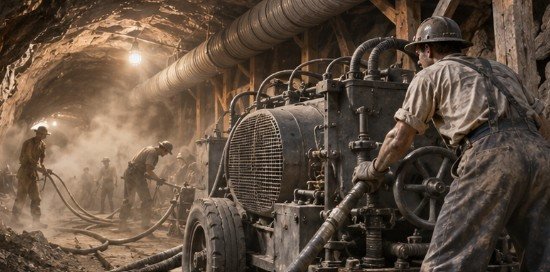
The official death toll for Hoover Dam construction is 96, according to the Bureau of Reclamation. However, some historical estimates suggest a higher number.
Understanding how many people died building the Hoover Dam requires looking beyond the official figure. Some historical accounts report 112 deaths, including workers who died weeks after suffering job-related injuries or illnesses.
Other fatalities may never have been documented. These differences reveal the limitations of construction safety records during the 1930s.
This article explores how deaths were recorded, the leading causes of fatalities, and why historians continue debating the numbers. It also examines the safety challenges workers faced in Black Canyon between 1931 and 1936.
These historical lessons remain relevant for modern contractors, project managers, and construction companies seeking to improve workplace safety.
The Bureau of Reclamation, which owns the dam and maintains its public history, has long published 96 as the total of workers who died during construction of Hoover Dam. That number covers the period from the start of work in 1931 through the final concrete pours and the formal completion in 1936, and it is the count you will find in the agency’s own historical materials and at the visitor center.
The project employed thousands of men at its peak, so 96 fatalities across roughly five years of the hardest industrial labor in the country is the baseline against which every later argument about how many people died building the Hoover Dam gets measured.
The figure is often quoted without any of that context, which flattens a complicated ledger into a trivia answer. A closer read of the Bureau’s own published history shows that the 96 includes men killed by falling rock, by equipment, by drowning, by electrocution, and by the industrial accidents that came with pouring millions of cubic yards of concrete in a canyon with almost no flat ground.
The dispute centers on how a death gets classified. In the 1930s, a worker who was injured on site and died days or weeks later in a hospital was often recorded by cause of death rather than by workplace connection, and the cause might read pneumonia, or heat stroke, or something else that severed the paper trail between the job and the grave.
Historians who have worked through county records, hospital logs, and newspaper archives have argued that the true toll runs higher than 96, with 112 frequently cited as a more complete count once delayed deaths are folded back in.
There is also the pneumonia problem, which is the darkest part of the record. Workers at the dam site and in the company towns around Boulder City lived in brutal heat, and the tunneling crews inside the diversion tunnels breathed air thick with diesel exhaust and silica dust.
Men who fell ill were sometimes diagnosed with pneumonia when the underlying cause was plainly the working environment, which means a portion of the deaths logged as natural were occupational in origin. Any serious attempt to answer how many people died building the Hoover Dam has to reckon with that classification gap rather than pretend the official number arrived from clean data.
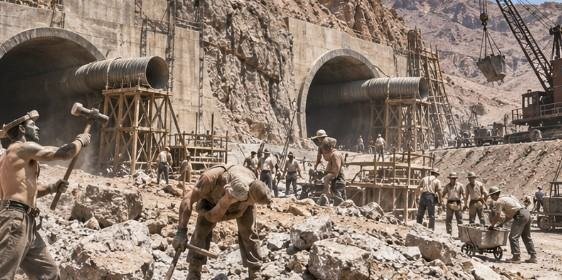
The four diversion tunnels were the deadliest phase of the job. Crews drove those tunnels through volcanic rock at speeds that had never been attempted on that scale, using a top heading and bench method that put men directly under freshly blasted ground, and the carbon monoxide from equipment and the dust from drilling accumulated faster than the ventilation of the era could clear it.
The Bureau’s own history acknowledges the hazards of the tunnel work, and contemporary accounts describe crews being carried out on stretchers with alarming regularity during the worst stretches of 1932 and 1933.
Heat was the other killer, and it was not confined to the tunnels. Summer temperatures in Black Canyon routinely pushed past 110 degrees Fahrenheit, and the site had no shade, no cooled break areas, and no meaningful protocol for heat illness because industrial medicine had barely formalized the concept. Men collapsed on the concrete forms and on the canyon rim, and the ones who did not recover became part of the toll that the official 96 only partly captures.
The broader federal record on worker safety during that era is worth reading against the Hoover Dam experience. The Occupational Safety and Health Administration did not exist until 1970, which means every fatality at Black Canyon happened in a regulatory vacuum with no reporting standard, no enforcement, and no independent investigator. That absence is the reason the count is fuzzy, and it is the reason the official number should be read as a floor rather than a ceiling.
Placing the Hoover Dam toll in a larger frame clarifies how dangerous the work actually was. The project killed roughly one worker for every several hundred thousand hours of labor, a ratio that modern contractors would recognize as catastrophic.
For comparison, the Bureau of Labor Statistics tracks fatalities in the construction sector today, and its Census of Fatal Occupational Injuries shows an industry that still kills hundreds of workers a year, though across a far larger workforce and with reporting systems that did not exist in the 1930s.
| Metric | Hoover Dam Period (1931 to 1936) | Modern US Construction
|
|---|---|---|
| Reported workplace deaths | 96 official, 112 by expanded historical counts | Roughly 1,000 per year sector wide |
| Reporting standard | None; inconsistent county and company records | Mandatory federal reporting under OSHA |
| Regulatory oversight | Absent | OSHA enforcement plus state plans |
| Cause of death attribution | Often logged as disease, not injury | Coded to event and exposure |
| Survivor compensation | Limited and inconsistent | Workers comp plus federal benefits |
The table matters because it shows how much of the Hoover Dam story is a records problem rather than a body problem. Nobody disputes that the canyon filled with stretchers. What gets disputed is which of those stretchers were counted, and the answer depends entirely on systems that did not yet exist.
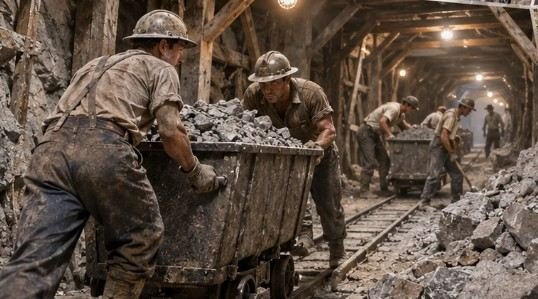
The workforce behind the dam came from everywhere. Around 5,000 men worked on Hoover Dam during peak construction. High wages during the Great Depression attracted workers from across the country. Many lived in Boulder City or temporary camps near the Colorado River.
Living conditions were harsh, with extreme heat, dust, poor water quality, and overcrowding. These conditions contributed to illness and worker deaths.
A popular story claims that a worker fell into wet concrete during construction. However, the Bureau of Reclamation has found no credible evidence supporting this claim.
No workers were buried inside the dam’s concrete. The myth persists because the actual history of construction fatalities is less dramatic and poorly documented.
Historical records also reveal how demanding construction schedules sometimes took priority over worker safety. Hoover Dam was completed ahead of schedule under superintendent Frank Crowe.
Crowe was known for pushing crews to meet ambitious construction deadlines. However, maintaining productivity while overlooking dangerous working conditions created serious safety risks.
Completing projects on time remains important, but protecting workers must always come first. The Hoover Dam experience highlights why construction companies need effective safety monitoring and responsible project management.
The most reliable public-facing source is the Bureau of Reclamation’s own history of the project, which is published through the Hoover Dam pages maintained by the agency. Those pages carry the official count and the historical context, and they are the correct citation for anyone writing a paper or a report that needs the 96 figure tied to an authoritative publisher.
The expanded counts appear primarily in historical scholarship and in the work of authors who have gone back through county death certificates and local newspapers. Dennis McBride, a Nevada historian who has written extensively on the dam’s labor history, is the name most often attached to the research that pushes the total upward.
Anyone who wants to argue that the real answer to how many people died building the Hoover Dam is closer to 112 should read that body of work rather than take the number from a forum post.
For the broader labor and safety dimension, the National Institute for Occupational Safety and Health maintains surveillance data and historical material on occupational exposure and fatality trends, and it is a useful reference for anyone trying to understand how work related deaths were tracked before modern reporting standards existed.
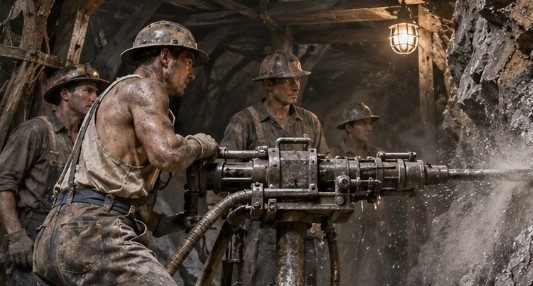
The difference between 96 and 112 deaths highlights the importance of accurate recordkeeping. Unfortunately, safety records often receive less attention when construction deadlines become tight.
Some workplace deaths may be recorded as heart attacks, dehydration, or illnesses rather than occupational fatalities. These classifications can hide serious safety failures.
The Hoover Dam project demonstrates how incomplete records can conceal workplace hazards for decades. Modern contractors have better safety tools, including exposure monitoring, mandatory reporting, and detailed incident investigations. These systems help track workplace injuries and their long-term medical outcomes.
However, recording only incidents that occur during working hours creates an incomplete safety picture. Accurate reporting should follow injured workers through hospitalization, recovery, and their return to work.
Hoover Dam was completed ahead of schedule and under budget. It remains operational nearly a century later, but those achievements cannot erase the human cost.
Understanding how many people died building the Hoover Dam reveals why transparent reporting matters. Accurate records help construction companies improve workplace safety, manage project costs, and maintain accountability.
The Bureau of Reclamation publishes 96 as the official total. That figure covers the construction period from 1931 to 1936 and is the number most frequently cited in reference works.
Historians who have reconstructed the record from county death certificates and local archives argue that deaths occurring after the initial injury or illness push the total to roughly 112. The higher number reflects a broader definition of work related death rather than a correction of the official count.
The tunnels were the deadliest phase of the project, with fatalities from blasting, falling rock, carbon monoxide exposure, and silica dust concentrated in the early years of construction. The tunnel crews carried the heaviest share of the mortality burden, though the records do not cleanly separate tunnel deaths from the total.
No credible record supports the popular story that workers were entombed in the concrete pours. The Bureau of Reclamation has addressed the myth directly, and no documentary evidence backs it. The real fatalities were more mundane and more poorly documented than the legend suggests.
Heat related illness contributed to the death toll, and the canyon regularly exceeded 110 degrees Fahrenheit with no shade, no cooled break areas, and no formal heat illness protocol. Some deaths logged under other causes, including pneumonia, are believed by historians to have been occupational in origin.
The answer to how many people died building the Hoover Dam depends on historical records. The official count is 96, while broader estimates suggest 112. Some deaths may never be documented.
The workers built a lasting structure, but many paid with their lives. Their story highlights the importance of accurate safety records. Modern construction teams must establish reliable reporting systems before work begins.