 11
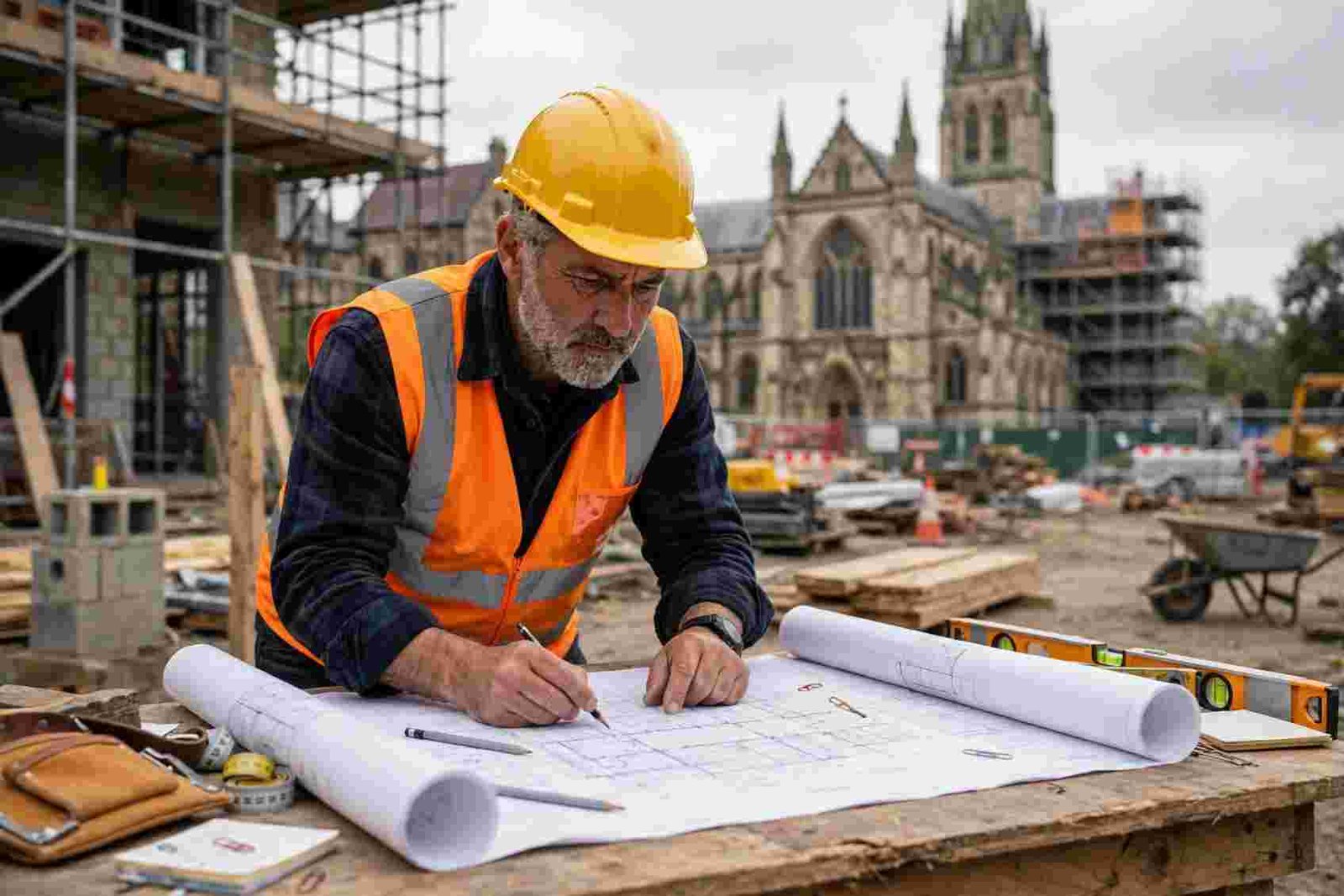
The question of what building took the longest to build has a clean answer at the top of the record book: the Cologne Cathedral, which sat unfinished for 632 years between the laying of its foundation stone in 1248 and its formal completion in 1880. That span covers the Black Death, the Reformation, the Napoleonic Wars, and the entire Industrial Revolution.
Any honest answer to what building took the longest to build has to separate buildings that were continuously worked on from those that were abandoned and later resumed, because the two categories describe completely different failures. The Cologne case sits in the second category, and that distinction matters more to a working contractor than any single record holder.
Construction timelines get romanticized in popular lists, and the numbers get sloppy. A cathedral that took six centuries usually spent four of those centuries as a stump with a crane on top, exposed to weather, waiting for a bishop with money. That is not the same as a modern megaproject that took thirty years of active, funded, continuous work. Both answer the question of what building took the longest to build, but only one of them tells you anything useful about how schedules actually collapse.
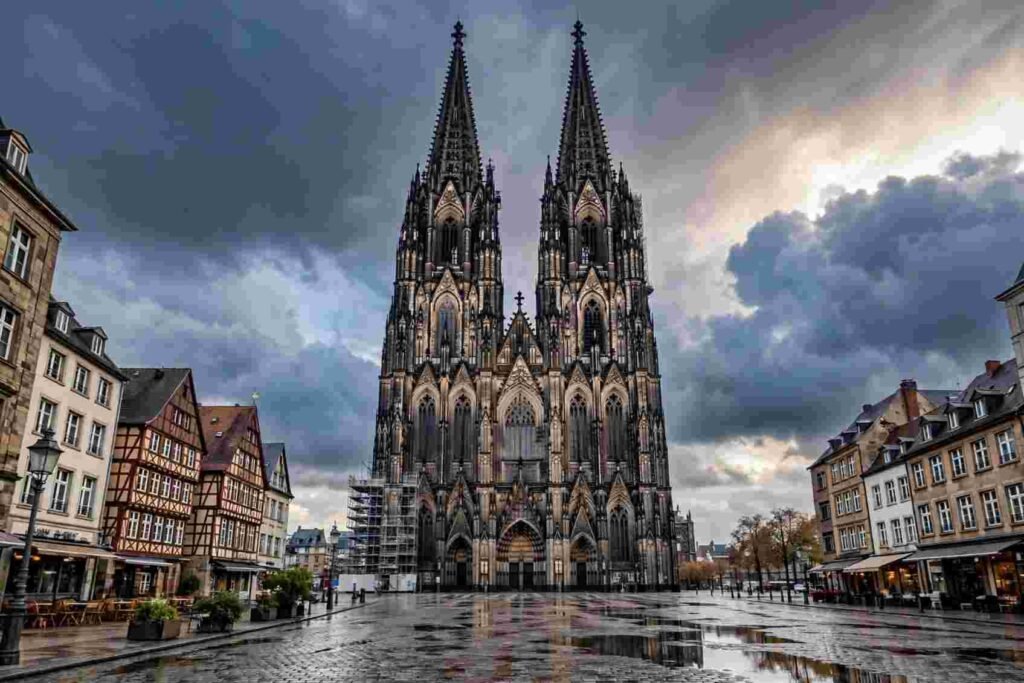
The Cologne Cathedral holds the documented record for the longest construction period of any major structure. Work began in 1248 under Archbishop Konrad von Hochstaden, and the choir was consecrated in 1322, which is a respectable 74-year run for a medieval project. Then the money ran out, the Gothic ambition outran the engineering, and the south tower sat as an unfinished stub for roughly 300 years. The original medieval crane on top of the stump became a local landmark in its own right, standing there so long that people forgot it was temporary.
Work resumed in 1842 under Prussian patronage, using the original medieval drawings that had survived in fragments. The two spires were finished in 1880, and for four years the cathedral was the tallest building in the world at 157 meters. UNESCO lists it as a World Heritage site and documents the phased construction history in detail at the UNESCO World Heritage Centre.
What makes Cologne the definitive answer to what building took the longest to build is not the 632-year arithmetic. It is the fact that the building was designed by one generation, financed by a second, and completed by a third that had entirely different tools and materials.
If you count only the years of active construction, Cologne took roughly 150 to 160 years of actual labor, spread across two campaigns. The rest was dormancy. That reframes the record completely, and it explains why construction historians argue about whether Cologne or certain English cathedrals deserve the title. York Minster, for instance, was built in stages between 1220 and 1472, which is a continuous 252-year campaign with no abandonment.
By the standard of continuous active construction, York is arguably the longer project, even though its total calendar span is shorter.
The distinction matters for anyone asking what building took the longest to build in a modern context, because modern megaprojects fail on the same axis: they are not abandoned, they are starved. Funding gaps, political turnover, and scope creep stretch schedules without ever formally stopping work.
A project that limps for thirty years is not the same as one that stops for three hundred, but the root cause, which is a mismatch between ambition and committed capital, is identical.
Cologne is not the only contender, and the honest answer to what building took the longest to build depends on how you define the finish line. Several structures have construction histories that rival or exceed Cologne on specific measures.
The Sagrada Familia in Barcelona arguably holds the more impressive record for modern purposes. It has been under continuous construction since 1882, paused only by the Spanish Civil War and the COVID pandemic, and remains incomplete.
The Basílica’s official construction history notes that Gaudí’s original design was so complex that it required computer modeling to finish, which is a different kind of delay entirely. According to the official Sagrada Familia history page, the building is targeted for structural completion in the 2026 to 2030 window, which would put it at roughly 145 years of active work.
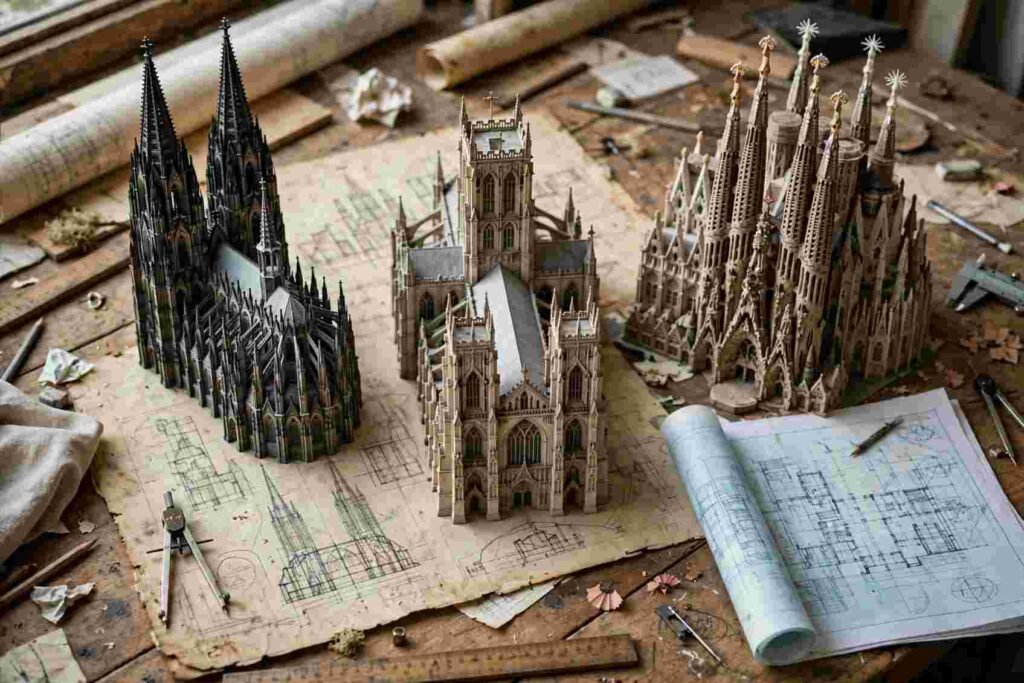
The table below separates the record holders by category so you can see which structure answers what building took the longest to build depending on the definition you are using.
| Structure | Location | Start | Completion | Calendar Years | Active Construction Years
|
|---|---|---|---|---|---|
| Cologne Cathedral | Germany | 1248 | 1880 | 632 | ~150 to 160 |
| York Minster | England | 1220 | 1472 | 252 | 252 (continuous) |
| Sagrada Familia | Spain | 1882 | Ongoing | 144+ | ~140 (active) |
| Milan Cathedral | Italy | 1386 | 1965 | 579 | ~100 (in phases) |
| St. Peter’s Basilica | Vatican City | 1506 | 1626 | 120 | 120 (continuous) |
| Winchester Cathedral | England | 1079 | 1532 | 453 | ~80 (phased) |
The pattern is obvious. Almost every long-duration project in history is a religious structure, and almost every one of them was interrupted by a funding collapse, a war, or a change in leadership. When someone asks what building took the longest to build, the honest follow-up is which category of delay they mean: abandonment, phased construction, or continuous active work.
Among projects that are still running, the Sagrada Familia is the answer to what building took the longest to build in the contemporary era.
Construction began in 1882 under architect Francisco de Paula del Villar, who resigned within a year after disputes over cost, and Antoni Gaudí took over and completely redesigned the project. Gaudí spent 43 years on it and reportedly said that his client was not in a hurry, referring to God. He died in 1926 with roughly a quarter of the building complete.
Work continued sporadically through the Spanish Civil War, when the crypt and Gaudí’s workshop were destroyed and many of his plaster models were smashed.
The reconstruction of those models, and the later use of computer-aided design to reverse-engineer Gaudí’s structural logic, took decades of its own.
The building has been funded entirely by private donations and ticket sales, which is a detail worth noting: no state treasury has been propping it up, and the project has run on tourist revenue for most of its modern life. That funding model is unusual, and it is the single biggest reason the schedule has stretched the way it has.
Across every long-duration project on this list, the same four failure modes appear, and they map directly onto the reasons modern schedules slip:
None of this is exotic. A general contractor running a mid-size commercial job today will recognize every one of those four causes.
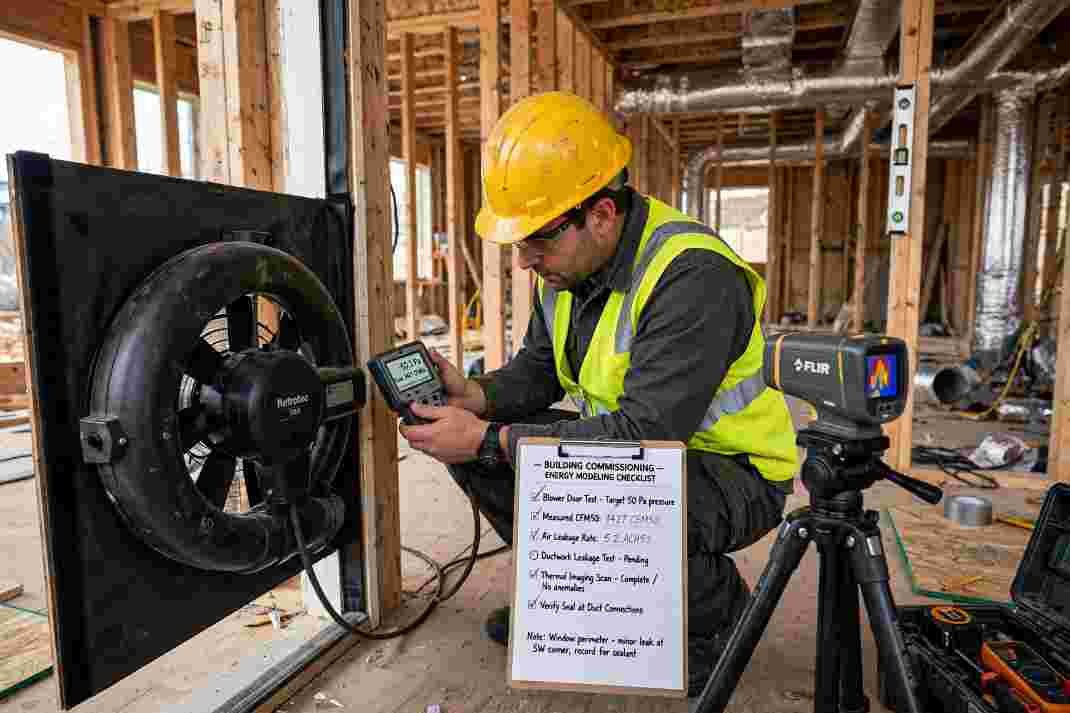
Understanding the building envelope is equally important in modern construction, as the materials and systems that protect a structure from weather, moisture, and temperature changes influence its durability and long-term performance.
The scale is different, but the mechanics of a stalled project have not changed since the 13th century.
Very few contemporary buildings come close to the historic records, but some modern projects are worth mentioning because they answer what building took the longest to build from the perspective of an actively funded, modern construction campaign.
The financial scale of these projects is another important consideration, as some major structures rank among the most expensive buildings ever constructed, reflecting the substantial investment required to manage complex designs, materials, and construction schedules.
The La Sagrada Familia aside, the closest modern analogues are large infrastructure projects, which are technically not buildings but share the same scheduling dynamics.
The Big Dig in Boston, formally the Central Artery/Tunnel Project, ran from 1991 to 2007, a 16-year construction span that more than doubled its original budget.
The project was documented extensively by the Massachusetts Department of Transportation, which maintains the project records. It is a useful case study because it shows how a modern, well-funded project with no war and no funding gap can still stretch a schedule by years through scope creep, utility conflicts, and political pressure.
According to the MassDOT project archives, the complexity of tunneling under a live city was the dominant driver of the delay, not a single catastrophic failure.
For buildings specifically, the Burj Khalifa took six years from excavation to opening, which is remarkably fast for a 828-meter skyscraper.
The reason it moved quickly is instructive: a single client with unlimited capital, a single design team, no interruptions, and a compressed decision chain. That combination is the exact opposite of what happened at Cologne, and it is the closest thing to a formula for keeping a project moving.
The answer to what building took the longest to build is not a single number, and pretending otherwise is what makes popular construction lists useless.
The useful takeaway is that the longest projects in history share a predictable pathology, and every one of those pathological patterns is present in modern projects at a smaller scale. Funding gaps, mid-project redesigns, material failures, and political turnover are the four horsemen of construction scheduling, and they have been since the first cathedral foundation was laid.
When someone asks what building took the longest to build, the technically correct answer is the Cologne Cathedral at 632 calendar years, and the operationally useful answer is the Sagrada Familia at 140-plus years of continuous work.
The two answers describe different failures. For a builder, the second one is the more instructive record, because it shows what happens when a project has money, has a design, has continuous labor, and still cannot finish. Schedules do not break because of a single catastrophe.
They break because the gap between what the client wants and what the project can fund, staff, and build keeps widening, and nobody on the job has the authority to close it. The next time a project slips, look for the same pattern, because it is almost always there, and it has been for a very long time.