
 11
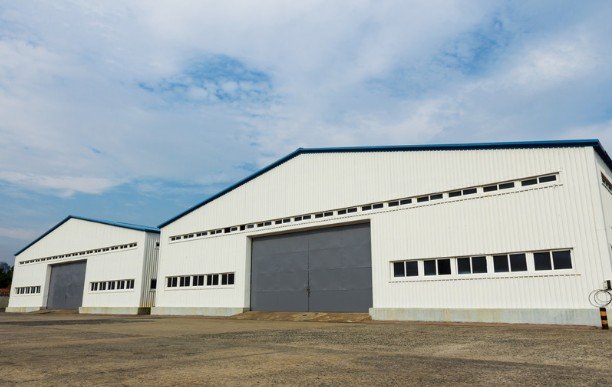
Learning how to move a storage building comes down to one question that decides the entire job: is the structure designed to leave the ground, or is it going to fold the first time a chain pulls tight? A precast concrete unit or a steel shipping container can be lifted and relocated with the right iron. A wood-framed shed with a sill plate nailed into a slab usually cannot, at least not intact.
The gap between those two categories determines whether you are pricing a crane, a flatbed, and a towing permit or writing off the building and starting over. Knowing how to move a storage building begins with an honest assessment of what the structure is built from, how it is anchored, and how far it has to travel.
Pacific Construction Builders works around shell structures on a regular basis, and the crews who handle relocation well share the same instinct: they inspect before they estimate, and they refuse jobs that ask them to fight physics. If you are researching how to move a storage building, treat the next sections as a sequence of go or no-go checkpoints rather than a single procedure.
Relocation methods split cleanly by construction type, and mixing them up is the most common way people wreck a building or hurt someone on site. Before figuring out how to move a storage building, put the structure in one of four buckets.
For engineered precast units, the design and lifting loads follow recognized industry standards, and manufacturers frequently reference the American Concrete Institute guidance on precast handling and erection. If a seller cannot produce documentation of lifting points on a precast building, assume you are buying a structure that cannot legally be lifted without an engineer’s field assessment.
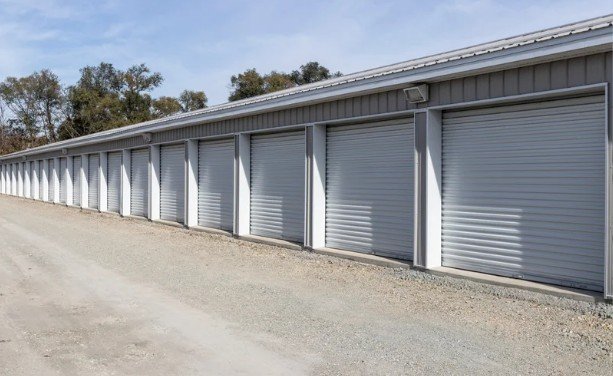
A building that weighs eight tons is the easy part. The question of how to move a storage building rarely fails because of weight, it fails because a crane cannot set up, a truck cannot enter, or a power line sits in the swing radius. Before you price a single thing, walk both the origin and destination sites and document the following.
A typical hydraulic crane needs outriggers deployed on firm, level ground with a footprint that can span fifteen to twenty feet per side, and the load radius increases the further the crane boom must reach. Soft soil, a driveway you do not want cracked, or a fence line blocking access all change the plan. A boom truck can work closer quarters than a full crane but lifts less at the same radius. Ask the crane operator what ground bearing pressure they need before signing a permit for track access.
Power lines are a hard stop. The Occupational Safety and Health Administration maintains minimum approach distances for cranes working near energized lines, and the specifics live in OSHA 1926.1408. If your building’s path crosses a distribution line, the utility has to de-energize or the line has to be relocated. Budget a week for that coordination if you are lucky, longer if the utility has a backlog.
Once the building leaves the property line it becomes an oversize load. Each state sets its own permit thresholds, escort requirements, and travel windows. The Federal Highway Administration maintains the size and weight regulation summary that gives you a starting point, but the individual state DOT permit office is the authority you actually deal with. A storage building loaded on a flatbed routinely exceeds twelve feet in width, which triggers pilot cars and daylight-only travel in many jurisdictions.
A building on a floating slab or footings has to be broken free, and how that happens determines whether it comes off in one piece. The first step in how to move a storage building that is anchored is inspecting the attachment. Look for anchor bolts through the sill, embedded J-bolts, concrete pins, or adhesive anchors.
If the anchors are bolts through a wood sill, you may be able to cut them from the interior with a reciprocating saw, provided you can get behind the plate. If the anchors are cast into the concrete with a headed embedment, the slab typically has to be chipped away, and that process often cracks the sill plate and shears the wall sheathing above it. Cutting a wood-framed building off a slab is rarely worth the cost, since the framing must be temporarily braced to survive the lift, and the braces frequently cost more than the building’s replacement value.
Precast concrete buildings on a proper footing are another matter. They lift cleanly if the manufacturer cast them with lifting provisions, and the concrete commission can often move them without surface damage, provided the trailer bed is rated for the point loads. Ask the manufacturer whether the building is rated for a “relocatable” installation, which is a design characteristic, not a marketing term.
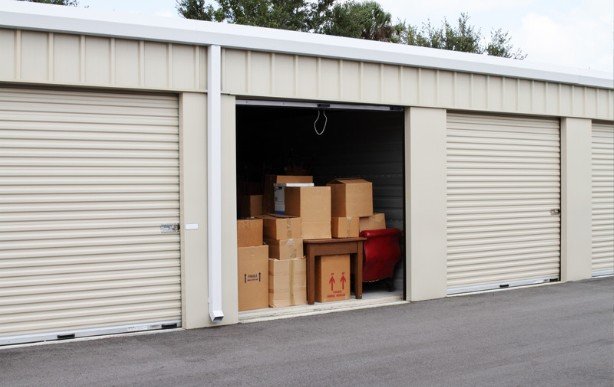
How you attach lifting gear matters more than how powerful the crane is. A single sling around an unsupported wall will crush the framing. A four-point lift with spreader bars above the roof keeps the load path vertical and prevents the walls from folding inward. On a shipping container, the corner castings are the only rated lifting points, and using anything else is a fast way to bend the container’s corner posts.
For portable wooden sheds, the lift point is typically the frame rails or a fabricated skid with rated eyelets. Do not lift by the side walls or by a temporary brace. If you are winching a shed onto a tilt-bed trailer, follow the trailer manufacturer’s ramp angle and use a snatch block to keep the pull straight. The load will shift as the center of gravity crosses the pivot point, and the truck has to be chained to the tow vehicle before that happens.
Nobody wants to hear a range of numbers without context, so treat the following as a framework for pricing rather than a quote. Costs vary by region, distance, and how much of the work you are willing to do yourself.
| Building Type | Typical Method | Cost Driver | Feasibility
|
|---|---|---|---|
| Steel shipping container | Crane lift onto flatbed, tow to site, crane off | Distance, crane rental, permit width | High |
| Precast concrete storage building | Crane lift or roll-off trailer | Engineer inspection, lifting plan, destination footing | High if designed for relocation |
| Wood shed on skids | Winch onto trailer, truck transport | Frame rating, ramp angle, road width | Medium |
| Wood shed on slab with anchors | Cut anchors, brace, lift | Repair cost, structural bracing, permits | Low |
| Post-frame building with interior finish | Dismantle and reassemble | Material reuse rate, labor hours | Low |
The cost driver column is the one worth studying. On a container, the crane rate and the road permit usually account for most of the bill. On a precast unit, engineering and destination foundation work can exceed the crane cost. On wood-framed buildings, the labor to brace and repair after transport typically overwhelms any savings from keeping the structure. When you are deciding how to move a storage building, this is the line item most owners underestimate.
Relocation permits fall into three categories, and a serious job touches all three. As with efforts to choose right contractor for home renovation, selecting a building mover means checking who will coordinate permits, inspections, and utility work. The building department at both ends may require a moving permit and a new foundation inspection at the destination. The state DOT issues the oversize load permit for the road portion. The utility company handles disconnects and reconnects if the building has power.
Insurance is the fourth piece that owners forget until something goes wrong. Standard homeowner policies often exclude property in transit, and the mover’s cargo coverage may have a declared value limit far below replacement cost. Ask for a certificate of insurance naming you as additional insured before the crane arrives. A crane operator without a current certificate should be a hard stop on the job, not a negotiation.
The destination work has to finish before the building shows up, or you are paying crane standby time while someone finishes pouring a pad. A precast unit needs a level, compacted base with proper drainage away from the walls, and the base has to be square within tolerance so the building does not rock. A container needs either a concrete pad or a compacted gravel base that will not settle unevenly, plus a plan for anchoring against wind uplift.
Utilities need to be stubbed in at the destination if the building is powered. The moving plan should include the crane’s entry and exit path, the trailer’s turnaround space, and the swing radius of the boom. Wide load deliveries must arrive on a road the trailer can navigate without backing out of a cul-de-sac.
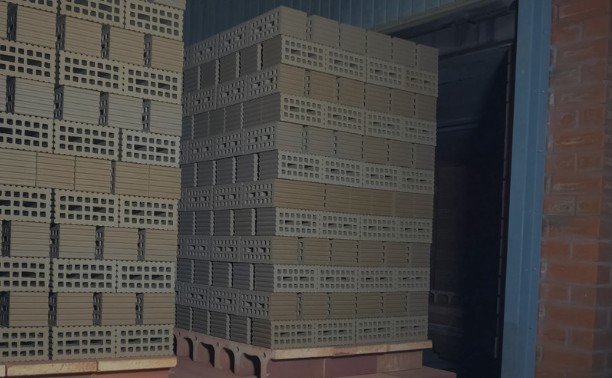
Some buildings should not move, and the operator who tells you that is usually the one you want to hire. Walk away when the structure was never designed for lifting, when the cost of bracing, transport, and repair exceeds seventy percent of a new build, when the destination cannot be permitted, or when the moving plan requires power line relocation the utility will not schedule within your timeline.
Also walk when the seller cannot document what the structure is made of. Before you choose flooring for your home or plan other interior upgrades, confirm that the building is suitable for relocation. Unknown lifting points are not an invitation to experiment; they are a reason to pass. Containers with damaged corner castings lose their rated lifting capacity even if the rest of the box looks fine, and precast units with cracked walls or delamination can fail during the lift.
The question of how to move a storage building is a scheduling problem as much as a pricing one. A container relocation on a clean lot in good weather can complete in a single day, including the crane, the tow, and the offload. A precast unit on a new foundation runs two to three days when the base is ready.
A wood-framed shed on skids runs a long day if the ramp angle is favorable and the truck can reach it. A building that requires cutting anchors or dismantling runs weeks, and the schedule slips further every time a permit or utility coordination eats another week.
Crews that move these structures routinely build a two-week weather buffer into every quote and a one-week utility coordination buffer for any job anywhere near a distribution line. If a customer balks at the buffer, they are usually the customer who calls back three weeks later asking why the move slipped. The operators who know how to move a storage building on schedule treat permits and weather as the primary risk, not the lifting gear.
Get the building type confirmed in writing before the crane is booked, get the lifting plan from the manufacturer, and verify the destination foundation before committing to a date. Confirm the moving company carries cargo coverage at replacement value, confirm the crane operator carries a current certificate, and confirm the utility coordination window with the line owner rather than the dispatcher.
Then line up the permits at both building departments and the state DOT, and put the sequence on a shared calendar so no one is guessing. The building that moves well is the one that was built to move, and no amount of crane horsepower turns a slab-anchored stick frame into a relocatable structure. Choose the building, not the equipment, and the rest of the job falls into place.