 11
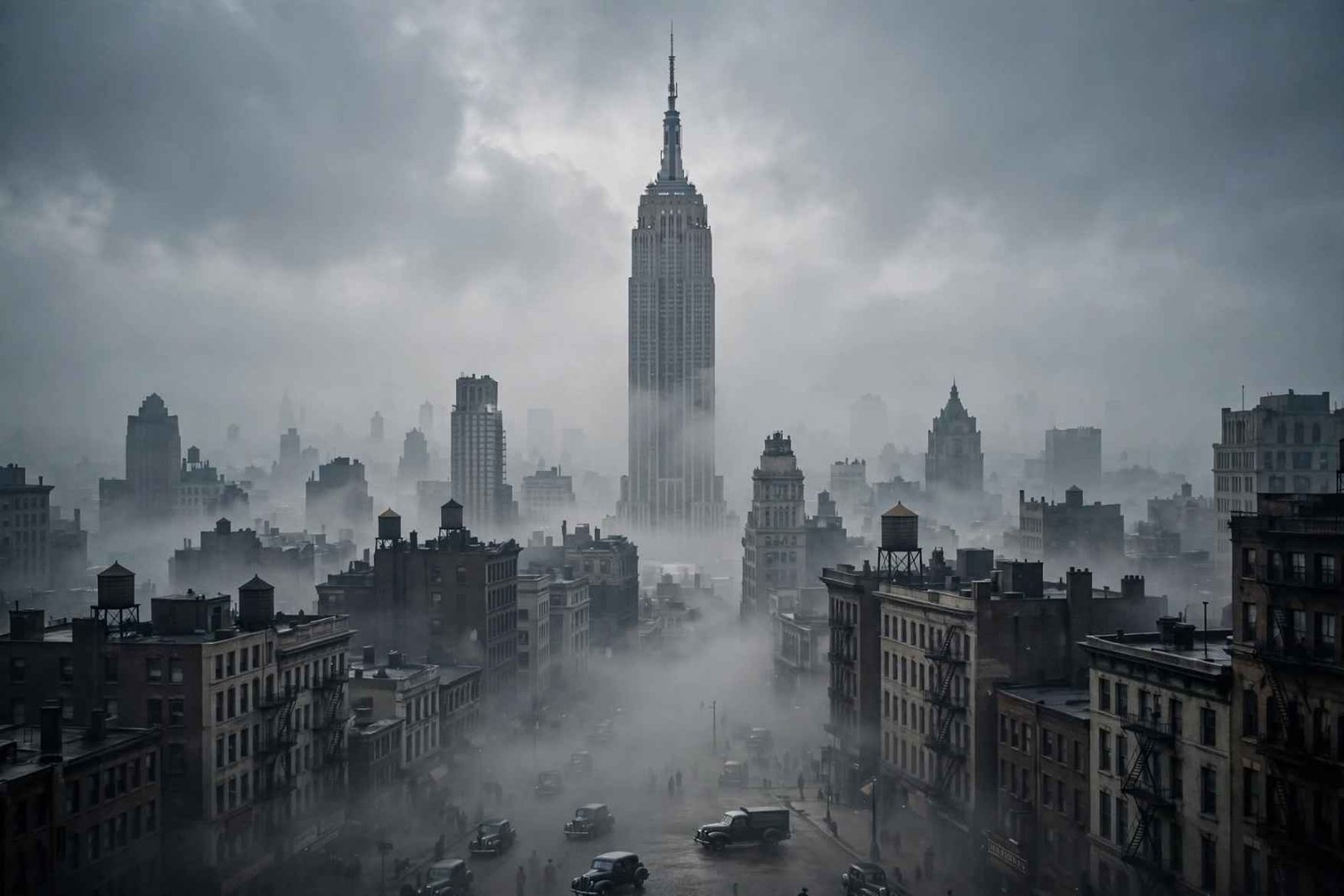
Yes, a plane hit the Empire State Building on the morning of July 28, 1945, when a United States Army B-25 Mitchell bomber flew into the north face of the tower at roughly the 79th floor. Anyone searching for the answer to did a plane hit the empire state building is usually carrying a second, unspoken question underneath the first one: how did a bomber end up in Midtown Manhattan in daylight, and why did a steel-framed skyscraper absorb a twin-engine aircraft without collapsing.
The crash killed fourteen people, injured dozens more, and left a gash in the limestone that remained visible for years. It also produced one of the most instructive structural case studies in American building history, and for anyone in the construction trade it is worth far more attention than the trivia angle it usually gets.
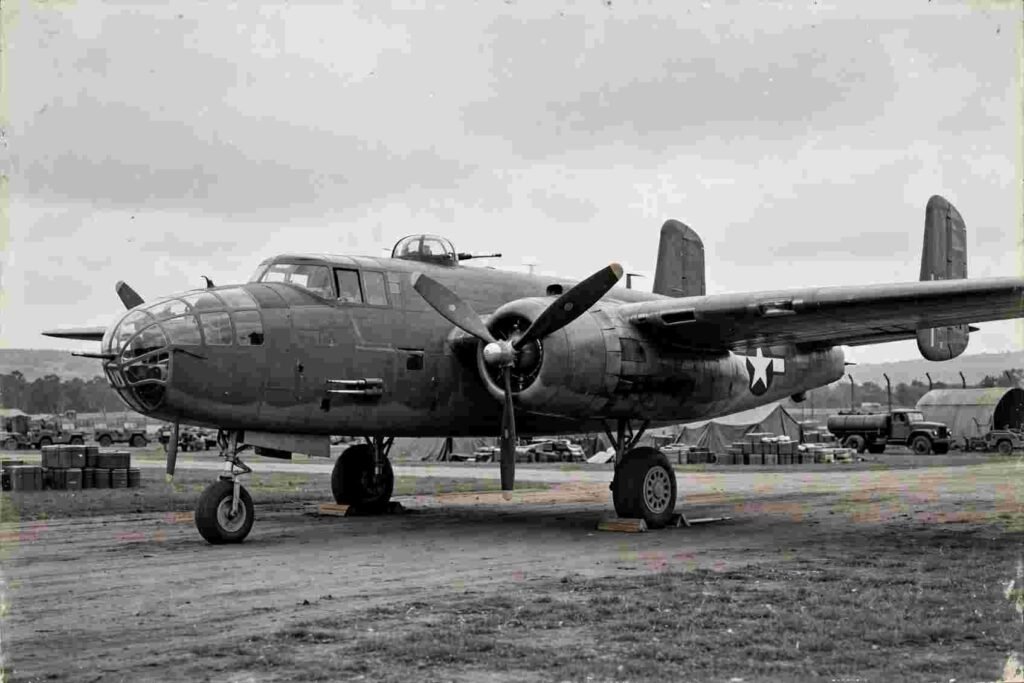
Short answer: yes. Long answer: the aircraft was not a commercial airliner and the collision was not an act of war, which is why the event gets muddled in popular memory. A B-25 Mitchell, a twin-engine medium bomber used throughout the Second World War, was on a routine personnel transport flight from Bedford Army Air Field in Massachusetts to Newark Army Air Field in New Jersey.
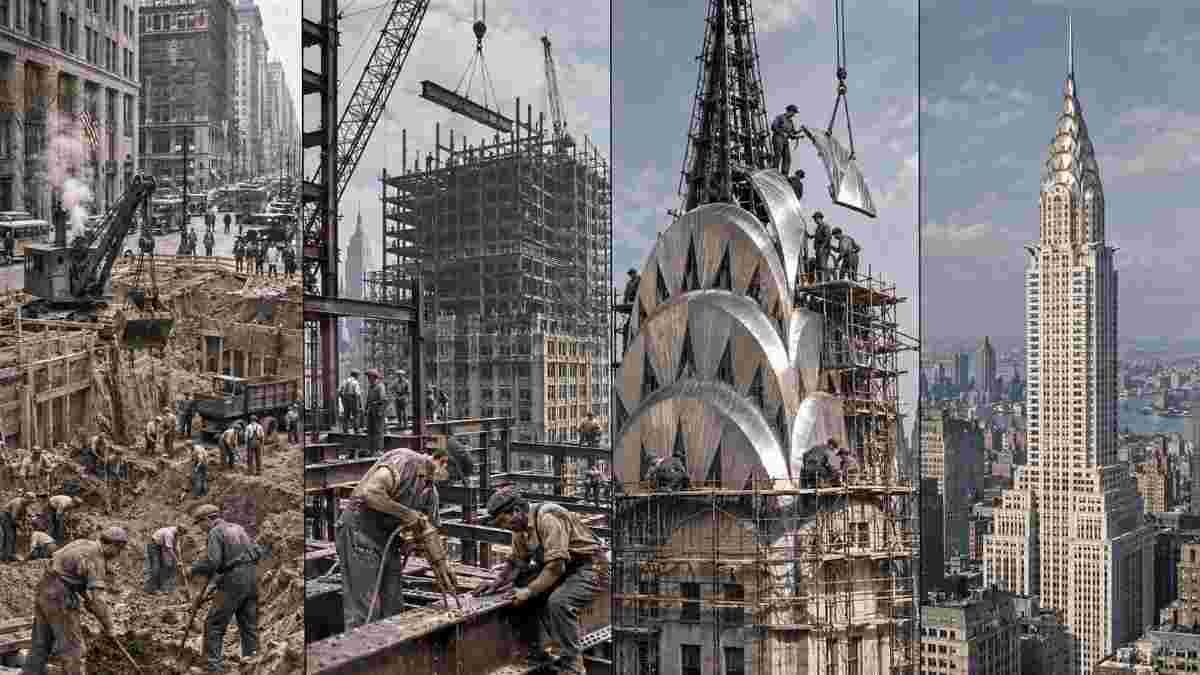
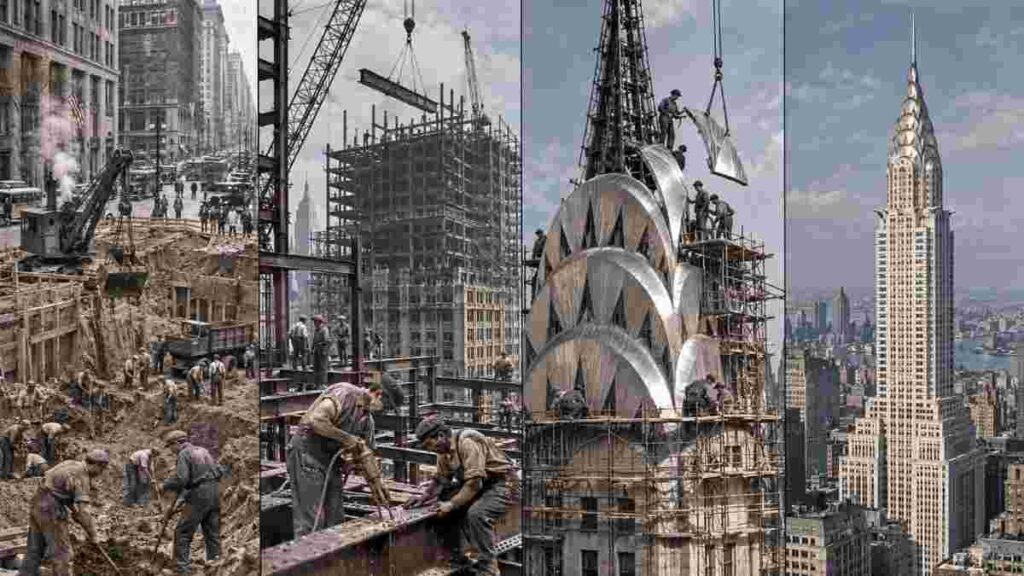
To understand the building’s age and historical significance before the 1945 aircraft collision, it is worth exploring when the Empire State Building was built and how its construction techniques shaped one of New York City’s most recognizable skyscrapers.
The pilot, Lieutenant Colonel William Franklin Smith Jr., requested clearance to descend through the overcast and was routed over Manhattan. He was flying too low and too fast for the conditions, and at approximately 9:40 in the morning the aircraft struck the building between the 78th and 80th floors.
Modern readers who ask did a plane hit the empire state building often confuse the 1945 event with the September 11 attacks, which targeted the World Trade Center towers several miles to the south.
The distinction matters because the two incidents produced completely different structural outcomes, and the reasons for that difference are rooted in building design rather than luck.
The official history of the Empire State Building maintained by its ownership treats the crash as a defining moment in the tower’s operational record.

The conditions that morning were foggy at lower elevations, not clear, which is the detail that explains the whole chain of events. Smith had been cleared for an instrument approach into Newark but was advised of poor visibility. Instead of diverting or holding, he continued toward the city at an altitude far below the minimum safe level for that corridor.
Contemporary accounts note that he was maneuvering around buildings in the Midtown grid before the impact, and aviation investigators later concluded that spatial disorientation combined with a decision to press on in marginal weather produced the collision.
The National Transportation Safety Board, which was not founded until 1967, has no direct case file on the accident, but the Federal Aviation Administration today enforces the airspace rules that grew out of incidents like this one.
Midtown Manhattan sits inside what is now tightly restricted Class B airspace, and a light or medium aircraft cannot legally fly that low over the borough without explicit clearance from air traffic control. The 1945 crash is one of the earliest documented cases of a pilot deviating from assigned altitude in congested urban airspace, and the regulatory apparatus that exists now is a direct descendant of the lessons taken from it.
The B-25 struck the north facade at an estimated speed of roughly 200 miles per hour. The starboard wing sheared off and cartwheeled down to the street, one engine punched through the exterior wall and traveled most of the way across the floor plate before stopping, and the fuselage penetrated the office space and ignited aviation fuel.
Eleven people died inside the building, most of them office workers at the Catholic War Relief Services and the National Catholic Community Service, which occupied the affected floors. Three crew members and the pilot died in the impact.
Why did a bomber weighing more than ten tons fail to bring the tower down when a commercial jet later brought down the Twin Towers? The answer comes down to three factors: the mass and fuel load of the aircraft, the speed of impact, and the fire protection built into the steel frame.
A B-25 carried a fraction of the fuel of a transcontinental airliner and struck at a fraction of the speed, so the kinetic energy delivered to the structure was orders of magnitude smaller.
The Empire State Building’s steel columns and girders were also encased in concrete and masonry fireproofing, which is standard practice in high-rise construction and remains so today. You can read the National Institute of Standards and Technology investigations into the 2001 collapses to see how fireproofing performance and impact energy have been studied since.
Understanding how tall a story is in a building also helps explain the vertical dimensions of high-rise structures, including how floor-to-floor spacing affects structural layouts, fire-rated assemblies, and the placement of essential building systems.
| Factor | 1945 B-25 Crash | 2001 Airliner Impacts
|
|---|---|---|
| Aircraft type | Twin-engine medium bomber | Four-engine widebody airliners |
| Approximate impact speed | Around 200 mph | Roughly 470 to 590 mph |
| Fuel load at impact | Limited, mostly consumed on impact | Thousands of gallons, sustained burn |
| Structural outcome | Localized floor damage | Progressive collapse |
| Fire duration | Contained and extinguished within hours | Extended, uncontrolled |
Fourteen people died and dozens were injured, though the exact injury count varies by source because many minor injuries were never formally recorded.
The debris field extended along Fifth Avenue and onto the surrounding sidewalks, and one engine landed on the roof of a nearby building. Fire companies reached the scene within minutes, and the fire was brought under control in roughly forty minutes, which is a remarkable response time given the vertical extent of the building and the era’s equipment.
The tower’s own standpipe system and the presence of manned elevator and maintenance crews contributed to the speed of the response.
If you want to see the contemporary record, the National Archives and Records Administration holds Army Air Forces accident reports and press documentation from that period. The event also made the front page of every major American newspaper the following morning, and many of those scans remain available through library digitization projects.
The building reopened the affected floors within weeks, which is a detail worth noting for anyone who assumes a high-rise structural strike necessarily means months of closure. Damage was localized and the repairs were treated as a tenant improvement problem, not a structural crisis.
The most persistent myth is that the aircraft was a commercial passenger jet, which is factually wrong on every count. Another common confusion involves the 1930s mooring mast at the top of the tower, which was built to accommodate dirigibles but never actually served that purpose; people sometimes conflate the airship plan with the 1945 crash when trying to answer did a plane hit the empire state building.
There was a brief attempt to dock a blimp at the mast in 1931, but wind conditions made the operation impractical and the mast was later converted to other uses.
A third piece of misinformation suggests the building’s structural integrity was compromised by the impact, which no engineering assessment ever supported. The tower’s steel frame was designed for a combination of gravity and wind loads far exceeding what the B-25 delivered, and the localized damage to floor framing was repaired with conventional methods.
Engineering literature from the era and later analyses confirm the building retained its full design capacity after repairs were completed. Anyone repeating the claim that the Empire State Building was structurally weakened by the crash is repeating something that has never been validated by an engineer or a building department record.
The lessons that matter to builders and property owners today cluster around fireproofing, compartmentation, and emergency response planning. The floor plate that absorbed the impact held together because the structural steel was protected from the initial fire by encasement.
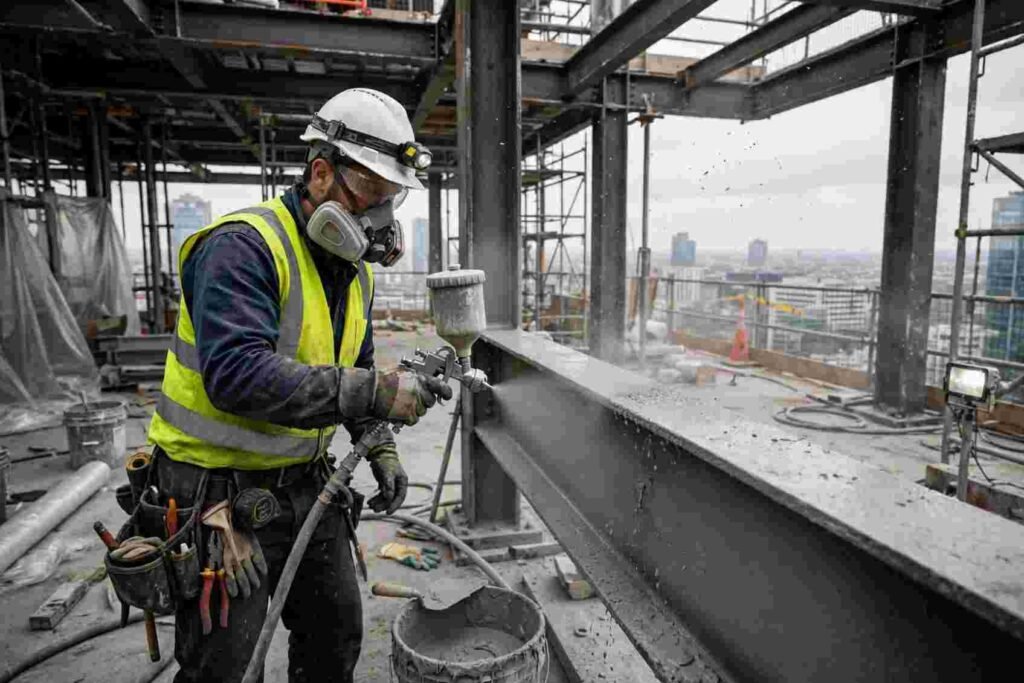
Modern high-rise codes go further, requiring spray-applied fire resistive materials, fire-rated shaft enclosures, and mechanical smoke control in buildings over a certain height. If you are working through commercial project approvals, the requirements overlap closely with the Pacific Construction Builders reference library on permits and code compliance, which covers how these systems get reviewed during plan check.
The other lesson involves vertical circulation and emergency egress. In 1945, the elevators in the affected shaft were knocked out by the impact, and the fire crews climbing stairs had to stage equipment on floors below the damage.
That reality shaped the modern requirement for pressurized stairwells and redundant exit capacity in tall buildings. Contemporary design guidance from the National Fire Protection Association reflects decades of refinement of these systems, and the 1945 incident is part of the historical record that produced them.
Owners of tall buildings should treat the Empire State Building crash as a reminder that unplanned aircraft contact is not the only hazard a high-rise can face.
A fire in a mechanical room, a façade panel failure, or a construction crane collapse can produce similar loads on structure and life safety systems. Documentation of the building’s fireproofing installation, updated as-built drawings, and a current emergency action plan are the baseline.
If a building has undergone renovation in the decades since original construction, verifying that fireproofing was not removed during tenant improvements is an exercise worth performing, because that is the single most common way a well-designed frame gets compromised.
The aircraft that hit the tower in 1945 was small enough to be survivable by the structure. Anyone asking did a plane hit the empire state building and stopping at the answer yes is missing the more useful question, which is what separated that outcome from far worse scenarios involving heavier aircraft and longer fires.
The distinction keeps showing up in code development, in fireproofing inspection requirements, and in the continuing effort to model how tall buildings behave under extreme but plausible loads.