 11
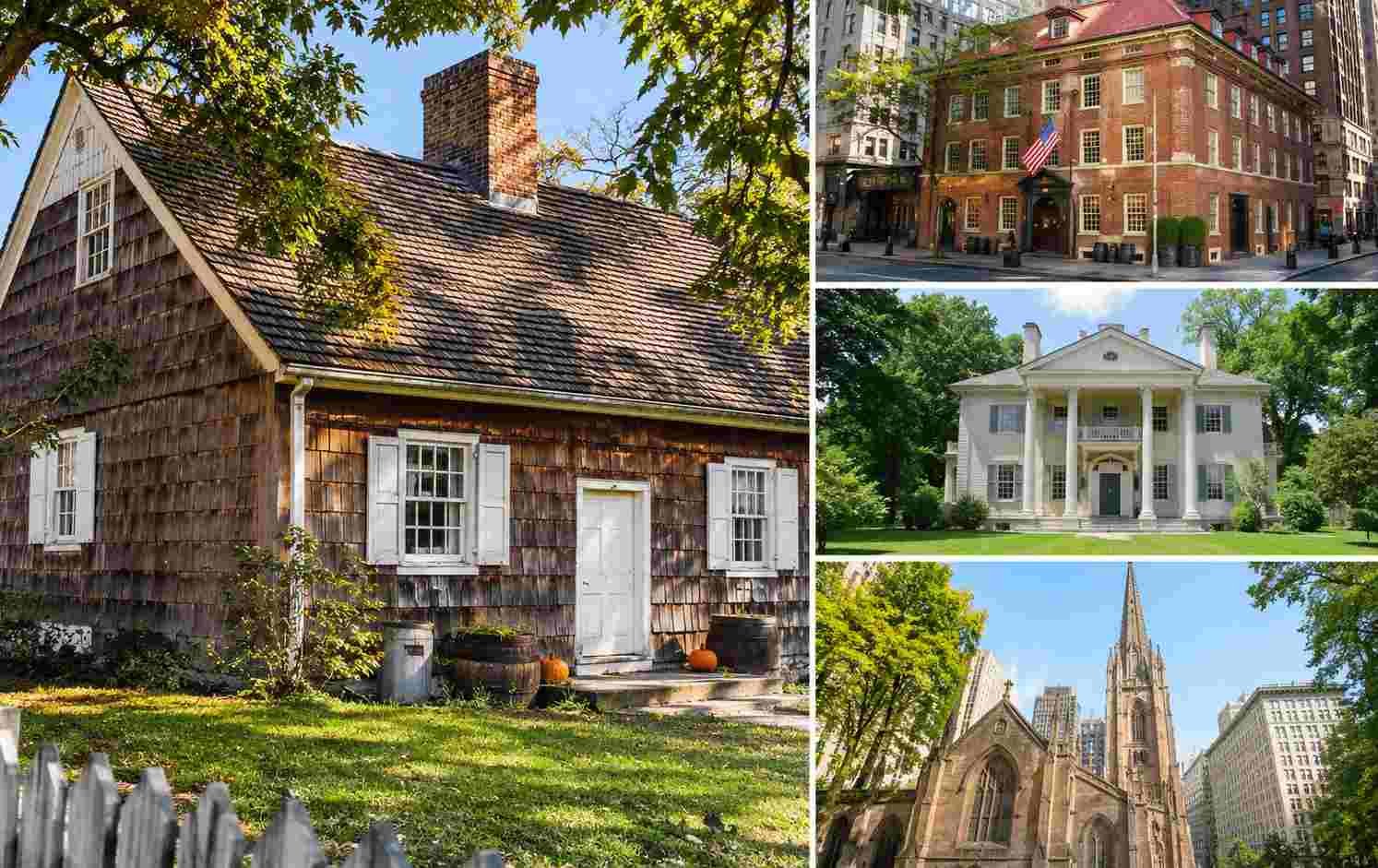
The answer to what is the oldest building in New York City depends entirely on how you define the verb survive. The Wyckoff Farmhouse in Brooklyn, with sections of its timber frame dated to roughly 1652, holds the generally accepted title as the city’s oldest structure still standing on its original site, but the claim comes with a hundred caveats that any builder or preservation architect will tell you matter more than the headline.
Manhattan’s oldest surviving building, the Morris Jumel Mansion in Washington Heights, dates to 1765, more than a century younger. Between those two poles sits a messy, fascinating record of Dutch colonial farmhouses, English Georgian townhouses, and a handful of stone churches that survived fire, neglect, and the wrecking ball.
The question of what is the oldest building in New York City is not trivia to the people who work on these structures. It is a live question of material sourcing, structural assessment, and regulatory compliance that shapes every restoration project in the five boroughs. Understanding which buildings claim the record, why the claims shift depending on the measuring stick, and what it takes to keep 370 year old timber standing is useful context for anyone who touches the built environment here.
The Wyckoff House, also called the Pieter Claesen Wyckoff House, sits at 5816 Clarendon Road in the Flatlands section of Brooklyn. The New York City Parks Department, which operates the site as a museum, describes it as the oldest surviving structure in the state and one of the oldest in the country. Dendrochronology, or tree ring dating, places the core of the original one room dwelling at approximately 1652, though the house was expanded several times in the 18th and 19th centuries.
Those additions matter enormously for anyone trying to answer what is the oldest building in New York City with precision. A substantial portion of what a visitor sees today reflects construction from the 1750s and later. The original Dutch colonial frame, clad in shingles and topped with a steeply pitched roof, is embedded inside the larger farmhouse footprint. Preservationists tend to accept the 1652 date because the original structural envelope survives, not because the entire building does.
| Building | Borough | Approx. Date | Claim to the Record
|
|---|---|---|---|
| Wyckoff Farmhouse | Brooklyn (Flatlands) | c. 1652 | Oldest surviving structure, original site |
| Dyckman Farmhouse | Manhattan (Inwood) | c. 1784 | Oldest surviving farmhouse in Manhattan |
| Morris Jumel Mansion | Manhattan (Washington Heights) | 1765 | Oldest surviving house in Manhattan |
| St. Paul’s Chapel | Manhattan (Lower Manhattan) | 1766 | Oldest surviving church and public building |
| Fraunces Tavern | Manhattan (Financial District) | 1719 | Oldest surviving building in Manhattan’s core |
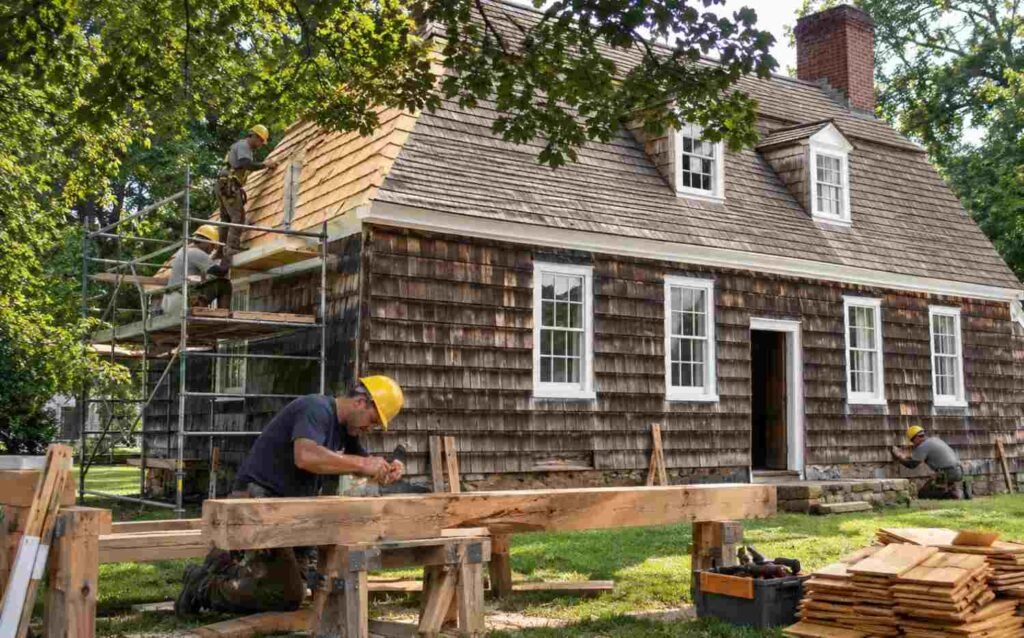
Several buildings that could otherwise claim the record have been moved, heavily reconstructed, or absorbed into later structures. The Dyckman Farmhouse in Inwood, built around 1784, is Manhattan’s oldest remaining farmhouse, but its claim to the title only holds within the borough boundary. The citywide frame of reference always pushes the answer back to Brooklyn.
Fraunces Tavern at 54 Pearl Street dates to 1719 and is often cited as the oldest building in Manhattan, but a substantial portion of what stands today is a 1907 reconstruction funded by the Sons of the Revolution. Purists argue that a building rebuilt from the studs up in the early 20th century cannot claim to be a colonial survival. The New York Landmarks Conservancy and other preservation bodies have largely settled on the Morris Jumel Mansion as Manhattan’s oldest intact residence, which is why the answer to what is the oldest building in New York City gets messy the moment you try to apply one rule to every borough.
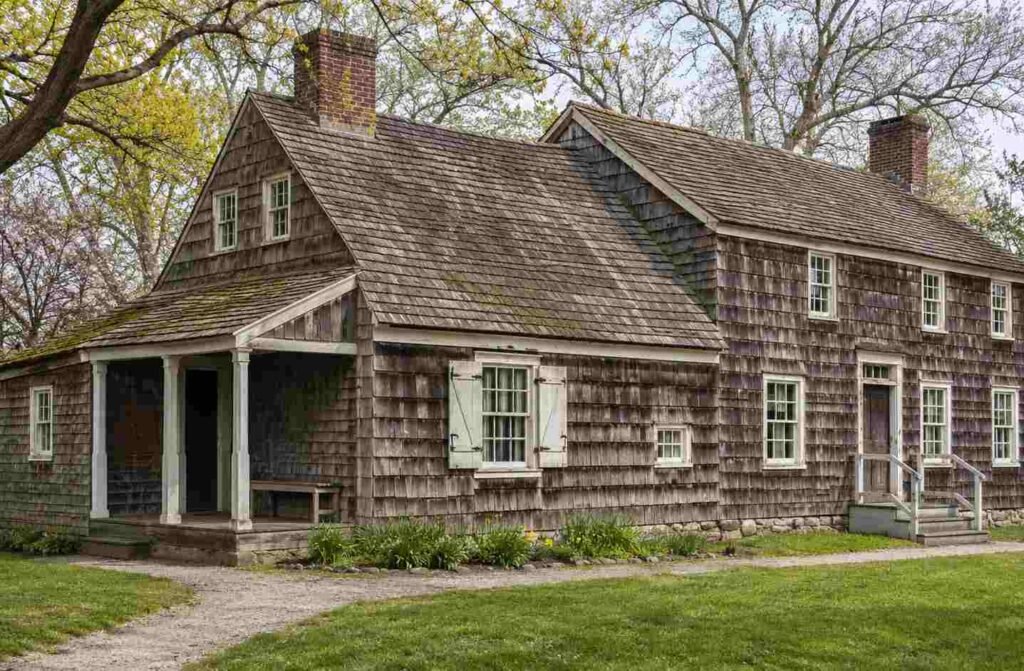
Dutch colonial architecture in the New York region followed a recognizable pattern: heavy timber framing, wide plank floors, shingled or whitewashed exterior walls, and a steep gable roof oriented to shed snow. The Wyckoff House preserves most of that vocabulary in its earliest section. If you are asking what is the oldest building in New York City and you want to study the actual building technology of 1650s New Amsterdam, this is the primary document. The framing is exposed in places for visitors, and the anchor beams still show the axe marks of the original carpenters.
What did not survive is more instructive. The original foundation has been reinforced repeatedly. The roof structure has been rebuilt at least twice. Chimneys, windows, and cladding have all been replaced. Any builder who studies this building will recognize the pattern: a historic structure is rarely a single artifact, but a palimpsest of repairs layered across centuries.
Dating a 17th century building requires more than a deed or a family Bible entry. Dendrochronology, done by specialists like the tree ring laboratory at the University of Arizona and several East Coast research groups, extracts a core sample from structural timbers and matches the ring growth pattern to a regional chronology that extends back centuries. This work is what pinned the Wyckoff House framing to roughly 1652. Without it, the date would rest on a chain of secondary sources stretching back to colonial land records.
Documentary evidence still matters. The Wyckoff family acquired the property from the Dutch West India Company in the 1640s, and land patents, wills, and probate inventories all help anchor the building’s history. When the building was transferred to the city in 1970 and later restored, a full archival review accompanied the physical investigation. For anyone trying to answer what is the oldest building in New York City for a research or preservation purpose, the working rule is simple: dendrochronology dates the wood, documents date the family, and both together date the building.
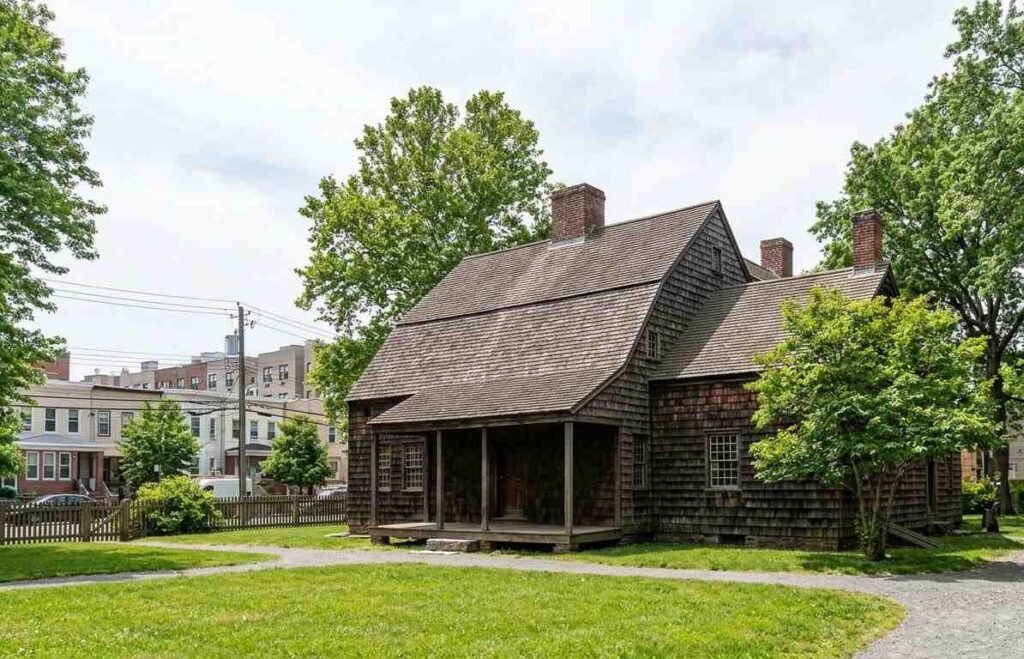
The Wyckoff House has been restored twice, once in the 1950s and again in the 1980s, with ongoing maintenance since. The work involved replacing rotted sills, re-shingling with white cedar, and reinforcing the roof structure. Traditional timber framing in the Dutch style used green oak and pine joinery, often with mortise and tenon work secured by wooden pegs. Modern repairs have to balance authenticity against building code requirements that did not exist when the original carpenters finished their work.
Preservation contractors working on buildings of this vintage handle a specific set of problems. Water infiltration through unvented roof assemblies is chronic. The original builders did not anticipate central heating, and adding HVAC to a 1650s timber frame introduces moisture movement that the structure was never designed for. Preservation briefs from the National Park Service remain the working bible for this type of work, and they emphasize reversible interventions and compatible materials above almost every other consideration.
If someone is trying to determine what is the oldest building in New York City by talking to preservation officials, the conversation always returns to condition. A building that has been extensively rebuilt may retain the original site and the original structural footprint, but the material fabric is what preservationists actually protect. This is why Fraunces Tavern is often quietly excluded from the top spot despite its 1719 date and its crucial role in the Revolutionary era.
The buildings that have survived three centuries in New York share a few common traits. They tend to be low to the ground, with one or two stories above a shallow foundation. They use massive timber sills or stone walls that resist frost heave. Clay tile or slate roofing was sometimes used as a weather shield on top of the shingles, and many survivors show evidence of multiple roof replacements across their lives. The Dyckman Farmhouse, built with a stone and brick facade over a timber frame, is a good example of a hybrid structural approach that went up quickly and survived repeated freeze thaw cycles.
New York’s climate is unforgiving to old buildings. The original Dutch and English builders learned this quickly and adjusted. Overhanging eaves, wide gutters, and short wall spans all show up repeatedly. When someone asks what is the oldest building in New York City and why that particular building survived while others did not, the answer usually comes down to a handful of factors: smart siting, consistent occupancy, and either wealth or institutional backing to fund ongoing maintenance across centuries.
The answer to what is the oldest building in New York City is different if the question is confined to Manhattan. The island burned repeatedly, most notably in the Great Fire of 1776, which destroyed roughly 500 buildings on the west side of the city. Anything wooden in the path of that fire did not survive. The subsequent decades saw aggressive development that leveled older structures to build up. By the 1820s most of colonial Manhattan was gone.
What remains is a handful of stone or brick structures that either sat outside the fire zone or were protected by luck and later restored. St. Paul’s Chapel, completed in 1766, is Manhattan’s oldest surviving church and public building. Its current care falls under Trinity Church Wall Street, and the building’s survival reflects both its stone construction and its continued institutional use. The Morris Jumel Mansion, completed in 1765 by British colonel Roger Morris, was briefly George Washington’s headquarters in 1776 and survived because it sat far enough north of the fire zone to escape.
Several buildings get cited in casual conversation that do not actually hold the title. The Fraunces Tavern claim is common but widely disputed due to the 1907 reconstruction. The City Hall building, though old by American standards, dates to 1812, which places it well behind half a dozen private homes in the outer boroughs. And several historic churches have been rebuilt so many times that the current structure is 19th or 20th century even though the congregation dates to the 1600s.
Another common error is confusing the oldest building still standing with the oldest continuously occupied building, which is a slightly different list. The Wyckoff House was occupied by the Wyckoff family through the 19th century, which strengthens its case considerably. Continuous occupancy usually drives maintenance, and maintenance is what keeps 370 year old timber from becoming a pile of compost.
| Misconception | Reality
|
|---|---|
| Fraunces Tavern is Manhattan’s oldest building | Heavily reconstructed in 1907; Morris Jumel Mansion is the older intact residence |
| Trinity Church is colonial | Current structure dates to 1846; the original burned in 1776 |
| Oldest building is in Manhattan | Brooklyn’s Wyckoff House is significantly older |
| Oldest equals original material | Dendrochronology dates the framing, but roofs, sills, and cladding have been replaced repeatedly |
Anyone doing construction work on or near a designated historic structure in New York City faces a permitting process layered on top of the standard Department of Buildings review. The Landmarks Preservation Commission reviews any work that affects protected features, and the review can take months. If you are working on a building that could plausibly be one of the oldest surviving structures in the city, the material questions become complex immediately: what shingle profile was originally used, what mortar formulation is compatible with historic brick, what structural intervention is reversible if future preservationists need to undo it in fifty years.
Understanding what is the oldest building in New York City is a specific fact, but the broader point for construction and renovation professionals is that old buildings require a different discipline. Documentation of the existing structure before any intervention is standard practice on these jobs. Nondestructive testing, careful photographic records, and a written assumption log are not optional extras on a structure that carries 300 years of continuous history. They are the baseline.
If you are rebuilding or restoring a house in New York today, the lessons learned from the Wyckoff House and its peers hold up well beyond preservation work. Building for a hundred-year life cycle is rare in modern residential construction, but the buildings that survived from the 1650s did so because their builders assumed the structure would need to last. These historic structures also offer valuable context for anyone researching what is the oldest building in the united states, as they demonstrate how traditional craftsmanship, durable materials, and ongoing maintenance contribute to architectural longevity. The Wyckoff family did not build a house with a thirty-year plan.
They built one with a plan that no one has yet written the end of, and more than 370 years later, it is still answering the question of what is the oldest building in New York City every time someone stops on Clarendon Road to look at it.