 11
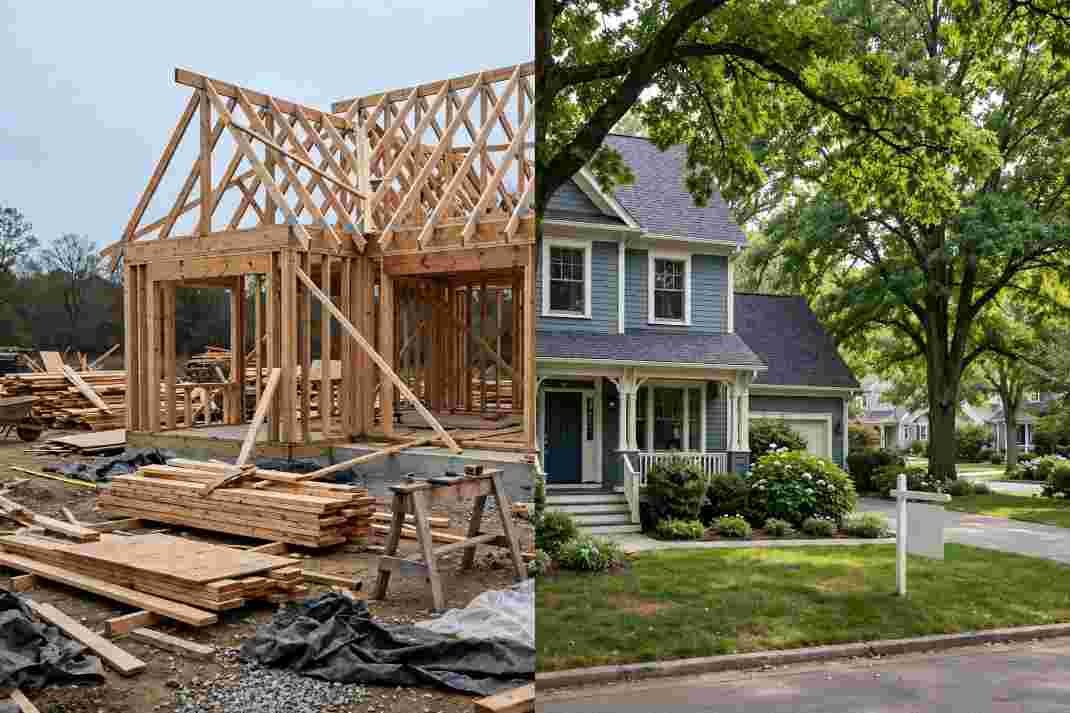
The short answer to the question of is building a house cheaper than buying depends almost entirely on where you already own dirt. A custom build on land you control can undercut a comparable resale purchase in a tight metro market, while a build in a supply-constrained suburb often clears the resale price by a wide margin once land, site work, and carrying costs land on the ledger. Anyone shopping for a straight cost comparison needs the full expense stack side by side, because the headline price per square foot hides most of the decision.
Construction lenders and appraisers treat these two paths as separate financial products. Resale purchases arrive with a finished asset, a negotiated price, and a known tax basis.
New builds arrive as a promise, a draw schedule, and a pile of contingency nobody budgets for properly. Understanding where those stacks diverge tells you whether is building a house cheaper than buying in your specific market, and whether the answer holds once the loan closes.
Regional cost data drives this more than any general rule. The National Association of Home Builders publishes a construction cost breakdown that shows roughy half of a new home’s price sits in the structure itself, with land and finished lot costs eating another significant chunk that varies wildly by zip code. A builder in rural Tennessee and a builder in coastal California work from the same plan set and produce wildly different final numbers.
The comparison also depends on what you mean by “comparable.” A 2,400 square foot builder-grade spec home on a postage stamp lot is not comparable to a 2,400 square foot resale with mature trees and a finished basement. When buyers ask whether is building a house cheaper than buying, most of them are comparing their dream custom build to a resale they settled on, which is an apples to artichokes exercise. Pin down the same square footage, same finish level, and same lot quality before running the math.
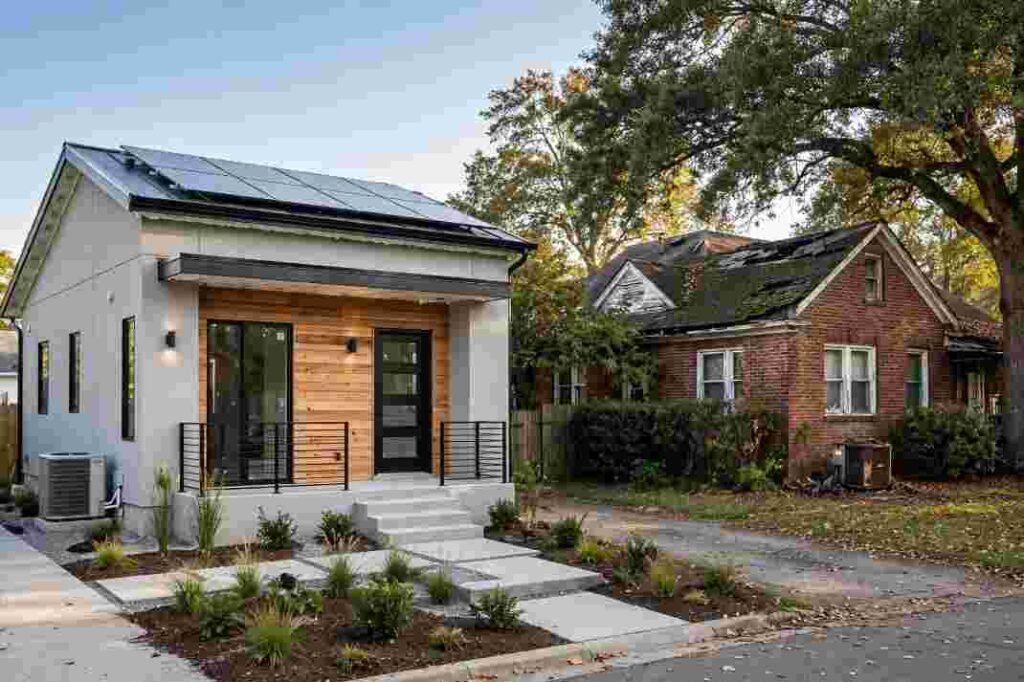
Land is the line item that breaks the tie. In markets where finished lots trade at a premium, is building a house cheaper than buying rarely pencils out without a family parcel or a distressed lot purchase. In markets with abundant subdivided acreage, the build route frequently wins. Track local lot inventory for six months before committing to either path, and watch what builders themselves are paying for dirt, since their offers reveal the real ceiling on lot value.
A conventional mortgage funds a completed house in one closing. A construction loan funds the build in draws, converts to a permanent mortgage at completion, and charges interest on outstanding balances during the build. That interest, plus the closing costs on two separate transactions in some structures, adds thousands that never appear in the per square foot comparison. The Consumer Financial Protection Bureau maintains a guide to mortgage loan options that lays out how construction and permanent financing differ, and the gap matters for anyone comparing total outlay.
The table below reflects typical cost categories rather than exact figures, since pricing depends on region, plan complexity, and finish level. Treat the categories as a checklist, not a bid.
| Cost Category | New Build | Resale Purchase
|
|---|---|---|
| Land or lot acquisition | Separate purchase, often 20 to 30 percent of total | Included in purchase price |
| Site preparation and utilities | Buyer’s responsibility, can run into five figures | Already completed |
| Construction or purchase financing | Construction loan with interest during build, plus permanent loan | Single mortgage |
| Design and engineering | Architect, engineer, survey, permit fees | None, house already exists |
| Appliances and landscaping | Buyer furnishes both | Often included, landscaping established |
| Contingency reserve | Required, typically 10 to 20 percent of hard costs | Handled through inspection and negotiation |
| Immediate maintenance | Minimal in year one | Roof, HVAC, and systems may need replacement |
Most buyers doing this comparison on a napkin compare the builder’s base price to the resale list price and stop there.
To evaluate the new-build side more accurately, homeowners can review the cost to build a house for a closer breakdown of land acquisition, site preparation, materials, labor, permits, and other construction expenses.
That single omission is why so many families conclude is building a house cheaper than buying before they have accounted for land, site work, or the design team. Run the full stack or the comparison is fiction.
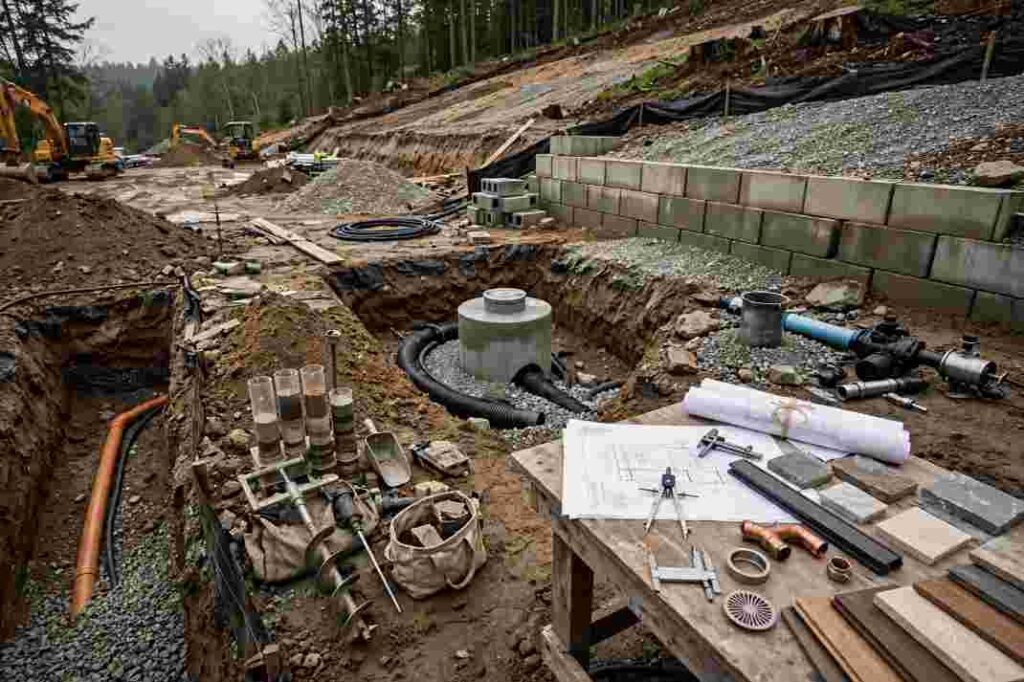
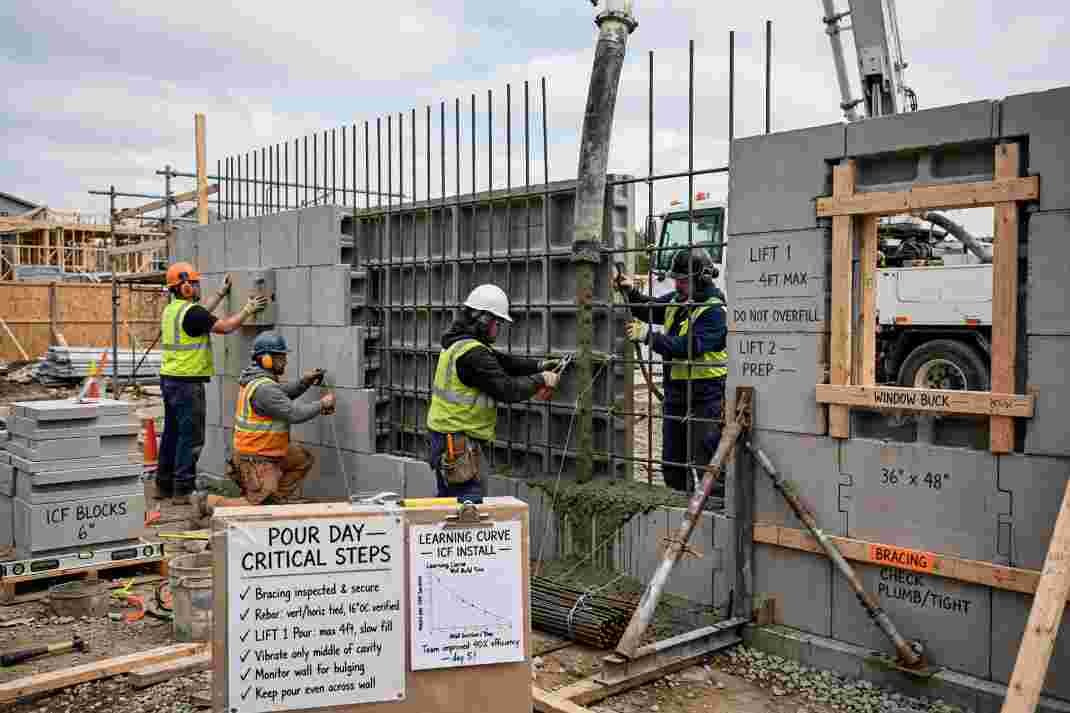
Site work kills more build budgets than any other line. Clearing, grading, bringing utilities to the lot, installing a well or septic system in rural areas, and managing stormwater all sit outside the builder’s base contract in most agreements. A lot that looks cheap on the listing site may require a retaining wall or a long utility run that erases any savings. Get a geotechnical report and a site survey before you sign anything.
Design fees and permitting timelines add both money and carrying cost. Custom plans require architectural work, structural engineering, and multiple rounds of municipal review. Every month the project sits in permitting is a month of interest on the land loan and a month of rent somewhere else. That friction is part of the real answer to is building a house cheaper than buying, and it rarely appears in the marketing material.
Upgrades during construction represent another quiet budget leak. Builder base prices exclude flooring upgrades, cabinet packages, fixtures, and exterior finishes that buyers always select once the framing is up. The selection process happens under pressure and the change orders add margin for the builder while adding cost for you. Lock finishes early and hold the allowance to a number you can defend.
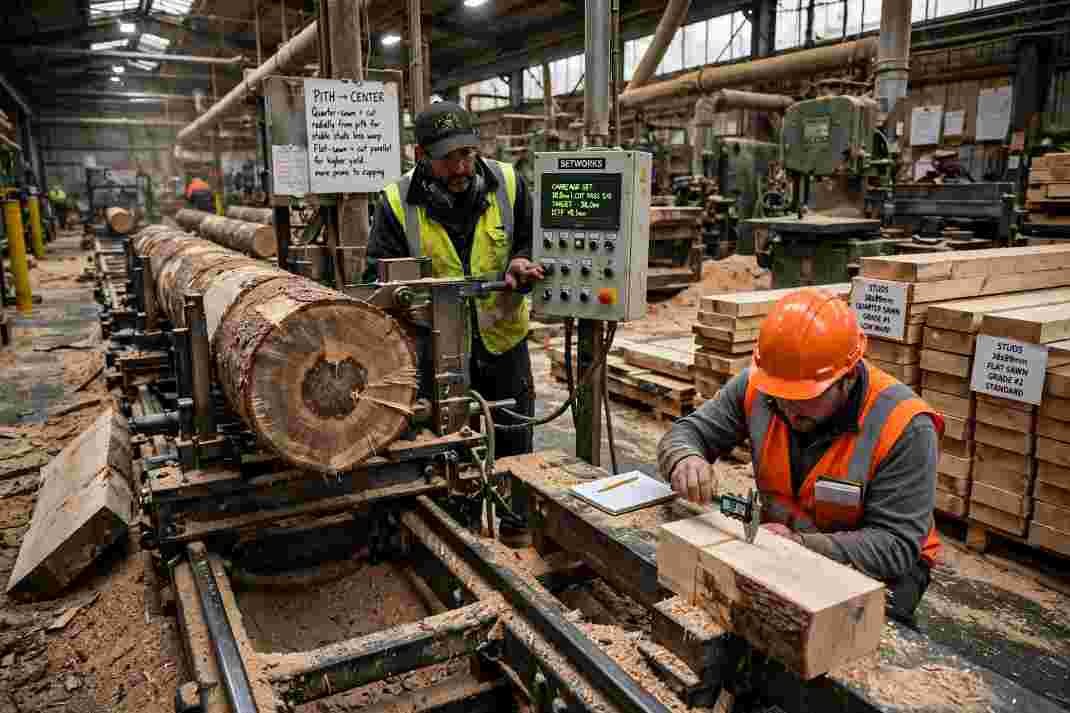
Since material quality and specification choices can significantly influence the final construction budget, homeowners should understand how to choose the right building materials before finalizing their selections.
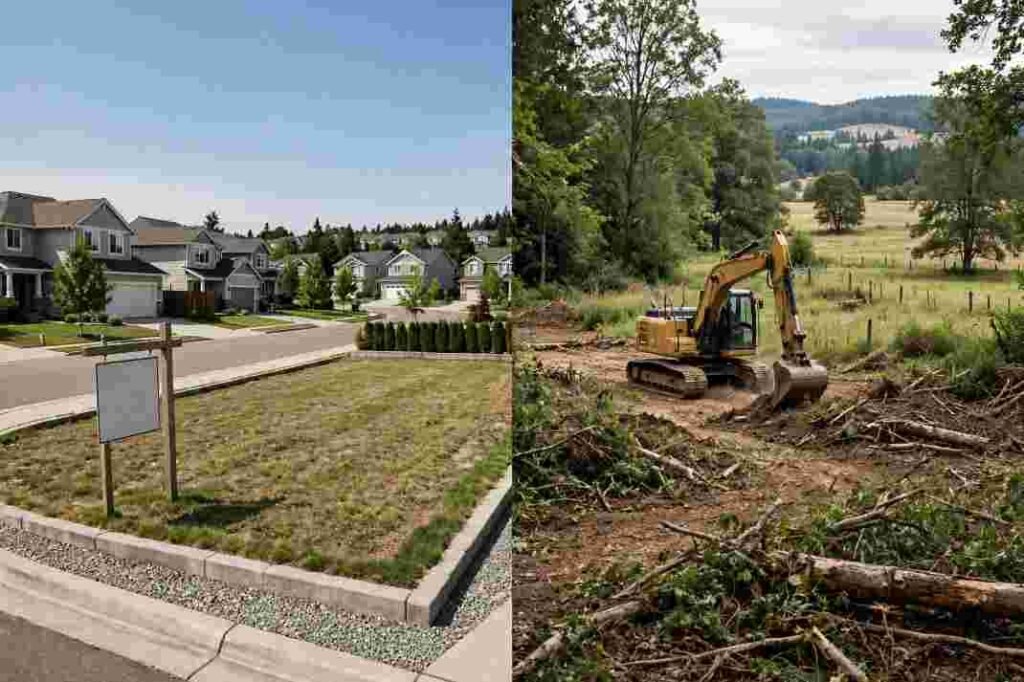
New construction carries a warranty on structural components, systems, and workmanship. Resale properties come with whatever remains of the previous owner’s maintenance discipline, and a house that needs a roof and an HVAC replacement in the first five years erases much of its apparent price advantage. When buyers run the ten year cost of ownership, is building a house cheaper than buying often flips toward the build route purely on deferred maintenance avoided.
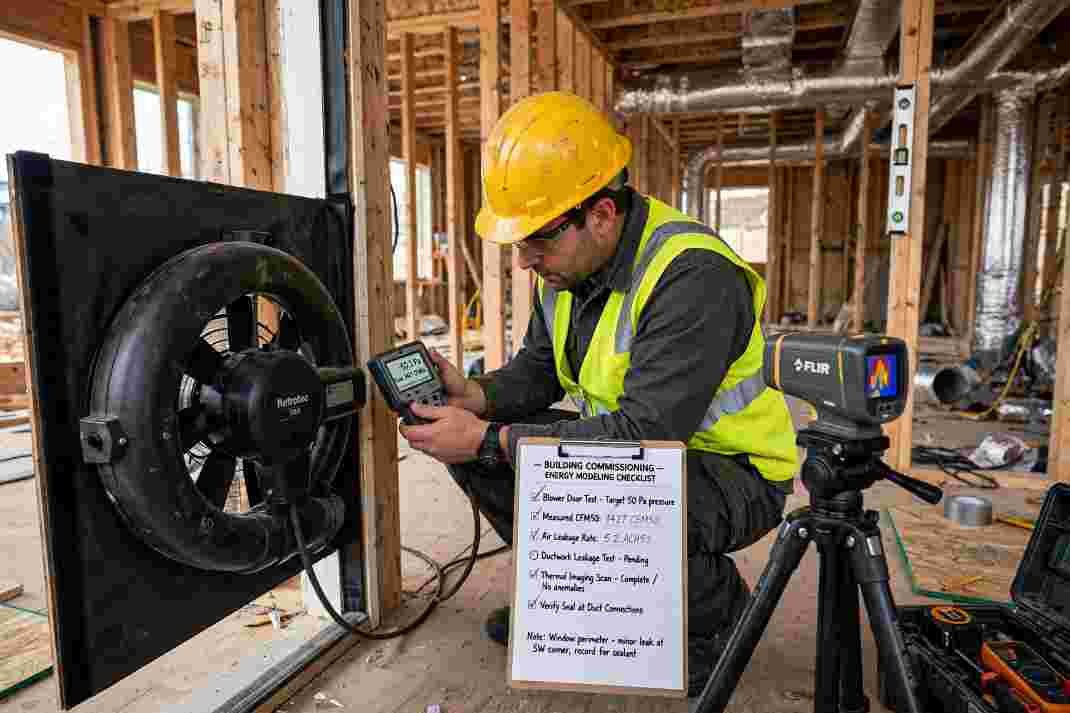
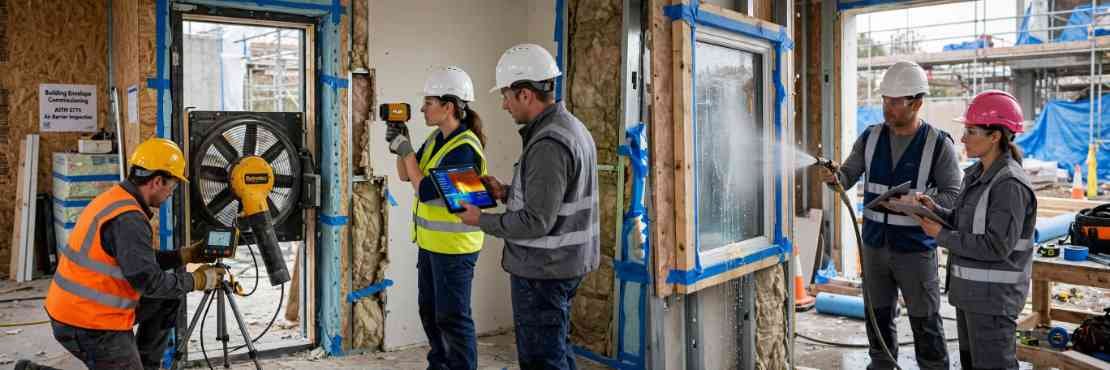
Energy performance is the second lever. Modern code compliance requirements have tightened envelope standards considerably since the early 2000s, and a new house built to current code typically carries lower operating costs than a resale of similar age. The Department of Energy publishes building energy code resources that explain how current standards affect a home’s baseline efficiency, which is worth reading before dismissing the operating cost gap.
Layout and lot orientation are locked permanently once a house is finished. A resale buyer compromises on floor plan, sun exposure, and street position, then spends money correcting what can be corrected. A custom builder gets the orientation right on the first pass, which is a real value that does not show up in a simple price comparison.
Existing homes sit on land that was acquired decades ago at a fraction of today’s lot value, and that embedded discount flows through to the buyer. A 1970s subdivision lot carries a basis no new builder can match, so the resale price reflects cheap dirt plus a depreciated structure. That arithmetic is why is building a house cheaper than buying usually fails in established neighborhoods where lot supply has dried up.
Speed carries monetary value. A resale closes in thirty to forty five days and the buyer occupies immediately. A custom build takes twelve to eighteen months from contract to keys, and that gap represents rent paid elsewhere, storage costs, and the opportunity cost of capital tied up in a lot with nothing on it. Price that delay into the comparison and the build budget grows by a meaningful percentage.
Resale negotiation absorbs risk. Inspection findings open the door to price reductions and seller credits, so an old roof or failing water heater becomes the seller’s problem rather than yours. On a new build, every surprise belongs to you unless your contract transfers it elsewhere, which reputable builders rarely agree to beyond the warranty period.
The only reliable way to decide is to price a specific plan on a specific lot against a specific resale and compare the full stack. Start by contacting local builders for rough per square foot pricing on your target plan, then add land cost, site work estimates from a civil contractor, design and permit fees, and a contingency equal to at least 10 percent of the hard costs. Set that total against the price of a comparable resale plus the cost of any deferred maintenance an inspection reveals.
Labor costs should also be evaluated carefully, and understanding how to hire construction workers can help homeowners identify qualified tradespeople and plan the workforce requirements for their build.
Then apply the time factor. If the build costs the same as the resale but takes fifteen months longer and requires twelve months of rent at a meaningful monthly rate, the resale wins on economics even when the sticker prices match. If the build undercuts the resale by a wide margin and the land is already owned outright, the build route wins comfortably.
Talk to a lender who writes construction loans regularly, since their underwriting standards reveal how they view your plan and lot. A lender who balks at the land or the site work is telling you something the builder will not. Those conversations cost nothing and reveal where is building a house cheaper than buying lands in your specific situation.
Builders who quote a base price and shrug at the extras are setting you up for change orders, and the families who discover is building a house cheaper than buying only after closing are the ones who skipped the site survey. Get the geotechnical report, get the civil engineer’s opinion on utilities, and get the lender’s view on the lot before you sign a construction contract, because the land decision is the one you cannot unwind later.