 11
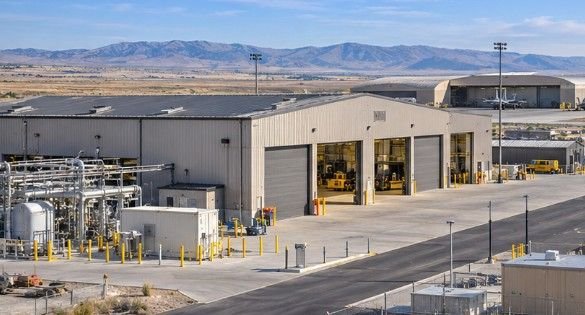
The question of is qatar building a military base in idaho has circulated through legislative hearings, local county planning meetings, and a steady stream of social media posts since early 2024, and the short answer is that no sovereign Qatari military installation exists or is under construction anywhere in the state.
What does exist is a foreign-owned aviation training facility at the Mountain Home municipal airport, operated by a Qatari state-linked entity under a long-term lease, and the gap between that facility and an actual overseas military base is where most of the confusion lives. The distinction matters for anyone tracking construction activity in southern Idaho, because the paperwork filed with Ada County and Elmore County tells a very different story than the headlines do.
The facility in question sits on roughly 1,100 acres adjacent to Mountain Home Municipal Airport, and the tenant is the Qatar Armed Forces through a Qatari government entity that signed a lease with the city of Mountain Home in 2022. The project is described in public documents as a pilot training facility, and the construction scope includes hangars, barracks-style housing, administrative buildings, and a runway extension.
That is a substantial build by any rural county’s standards, and it is reasonable that observers driving past the site would ask whether Qatari is building a military base in Idaho.
The lease documents filed with the city describe the arrangement as a training partnership rather than a deployment. The Qatar Armed Forces operate the facility to train pilots in a desert environment that closely approximates conditions in the Gulf, and the arrangement is administered through a federal foreign military sales framework rather than through a status of forces agreement that would accompany a permanent base.
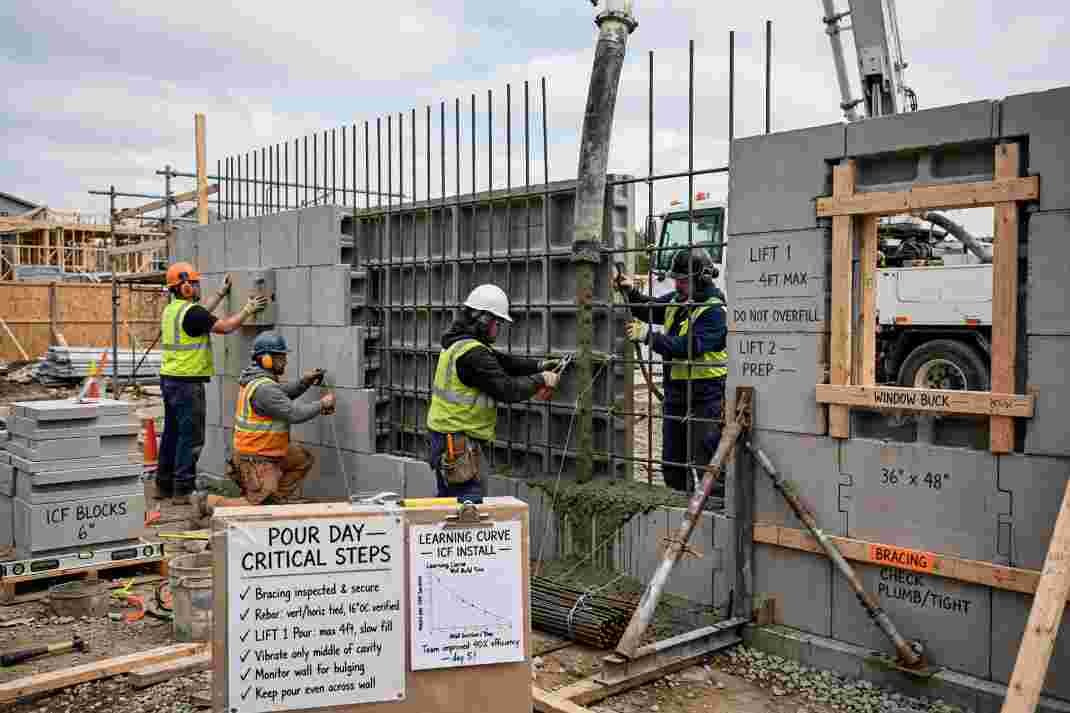
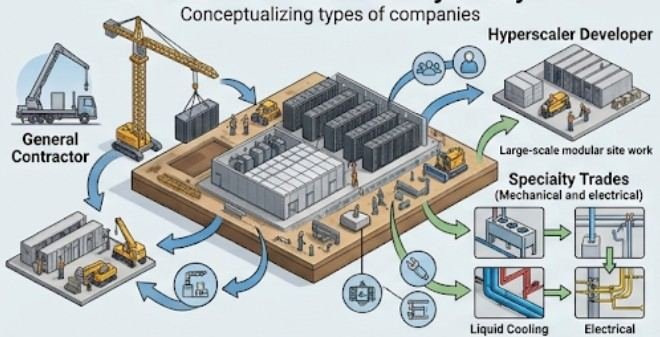
Construction is being performed by a mix of American general contractors and subcontractors, with Qatari oversight on the design side, and the labor force is overwhelmingly local.
The distinction between a base and a training facility is not semantic hair-splitting. A military base under the conventional definition implies sovereign control of the ground, permanent stationing of a foreign force, and a status of forces agreement governing jurisdiction over personnel.
None of those conditions apply at Mountain Home. The land remains under American municipal ownership, the lease runs for a defined term, and any Qatari personnel on site are subject to American law for criminal matters under the lease terms.
What the facility does have in common with a base is the physical plant. The hangars are being built to military specifications, the housing is designed to quarter uniformed personnel, and the airfield improvements are sized for military aircraft.
When someone searches for whether Qatar is building a military base in Idaho, the answer is that the structures look like a base because they are being built to the same standard, but the legal and sovereign character of the facility is that of a leased training installation on American soil.
The city of Mountain Home published the lease framework, and the terms are worth reading in full. The lease runs for 25 years with options for renewal, and it includes provisions for American oversight of construction, environmental compliance tied to the National Environmental Policy Act.
A requirement that the facility be available for joint use with American forces. Those provisions are legally inconsistent with a foreign sovereign base and are entirely consistent with a leased training partnership.
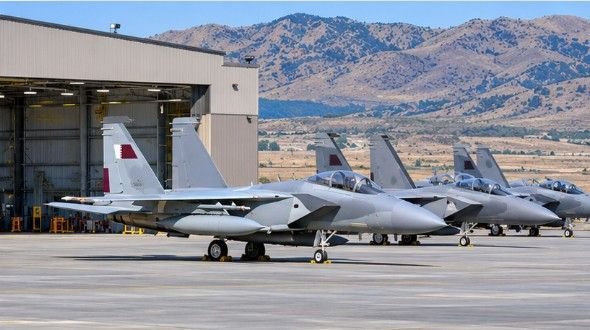
The developer of record is a Qatari government-linked entity, and the construction manager is an American firm with offices in Boise. The project has moved through the standard municipal entitlement process, with site plan reviews before the Mountain Home Planning and Zoning Commission and building permits issued through the city building department.
Contractors working the site report that the work is being executed under standard American building codes with the International Building Code as the governing standard, which is one of the clearest tells that this is not a foreign enclave under foreign construction law.
For builders considering bidding on the subcontract packages, the procurement channel runs through the American construction manager rather than through Qatari defense procurement, which means the bonding, insurance, and payment terms follow American commercial convention. That is a material detail for any contractor trying to decide whether the project is worth chasing.
| Characteristic | Foreign Military Base | Mountain Home Facility
|
|---|---|---|
| Land ownership | Host nation or sovereign lease | City of Mountain Home |
| Governing law on site | Status of forces agreement | American law and local codes |
| Construction standards | Foreign military codes | International Building Code |
| Procurement channel | Foreign defense ministry | American construction manager |
| Term | Indefinite or treaty-bound | 25 years with renewal options |
The belief that Qatar is building a military base in Idaho took hold for a few identifiable reasons. The project’s reported scale has raised questions. A 1,100-acre site and runway extension seem unusually large for a training facility. Military aircraft and uniformed personnel also reinforce perceptions of a foreign military base.
Foreign government involvement creates additional concerns, particularly in rural Idaho. Local headlines sometimes describe a “Qatari military training facility” as a “Qatari military base.”
State legislators have reportedly raised questions about the project. These concerns include foreign ownership of American land and national security.
The USDA Farm Service Agency administers the Agricultural Foreign Investment Disclosure Act, which addresses foreign investment in agricultural land.
However, the article’s claims about the 1,100-acre site, municipal airport lease, and legislative hearings require verification before publication. The gap between a training facility and a military base is not a technicality. It is the difference between a lease and a treaty, between municipal zoning and sovereign territory.
The project passed through federal review as a foreign military sale under the Arms Export Control Act, and the relevant notifications went to Congress through the State Department Bureau of Political-Military Affairs. That channel exists precisely because foreign governments sometimes need to train on American soil, and it carries with it congressional notification requirements and oversight conditions that would not apply to a purely commercial real estate transaction.
The Committee on Foreign Investment in the United States also has jurisdiction over certain foreign real estate acquisitions near sensitive facilities, and the Mountain Home project touches that review surface because of the airport adjacency. None of those reviews converts the facility into a base, and none of them creates a sovereign Qatari enclave in Idaho.
The project reportedly underwent environmental review under the National Environmental Policy Act (NEPA). Public comment periods also raised local concerns about the proposed construction.
These records may help clarify whether Qatar is building a military base in Idaho. They also provide details about the project’s scope and purpose.
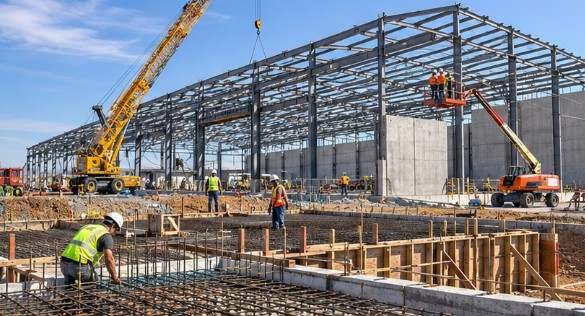
The article describes plans for aircraft hangars, personnel housing, maintenance facilities, and utility infrastructure in Mountain Home. It also reports American contractor involvement and local inspections.
The proposed construction would progress through several phases rather than a single large-scale development.
Contractors would follow standard American commercial and industrial construction practices, alongside specific military requirements. Electrical and mechanical systems would meet applicable U.S. standards. Fire suppression systems would follow National Fire Protection Association (NFPA) codes.